
As a supplier of German car wire, I've witnessed firsthand the critical role that wire fatigue resistance plays in the automotive industry. In this blog, I'll delve into what fatigue resistance means for German car wire, its importance, and how our products excel in this aspect.
Understanding Fatigue Resistance
Fatigue resistance refers to a material's ability to withstand repeated loading and unloading cycles without failing. In the context of German car wire, this means enduring countless vibrations, temperature fluctuations, and mechanical stresses over the vehicle's lifespan. When a wire is subjected to cyclic stress, microscopic cracks can form and gradually grow, eventually leading to wire breakage. A wire with high fatigue resistance can resist this crack propagation, ensuring long - term reliability.
Factors Affecting Fatigue Resistance of German Car Wire
-
Material Composition
The choice of conductor and insulation materials is fundamental to fatigue resistance. German car wires often use high - quality copper or copper alloys as conductors. Copper has excellent electrical conductivity and ductility, which allows it to bend and flex without breaking easily. For insulation, materials like cross - linked polyethylene (XLPE) or polyvinyl chloride (PVC) are commonly used. XLPE, in particular, offers good mechanical properties and resistance to environmental factors, enhancing the wire's overall fatigue resistance. -
Wire Construction
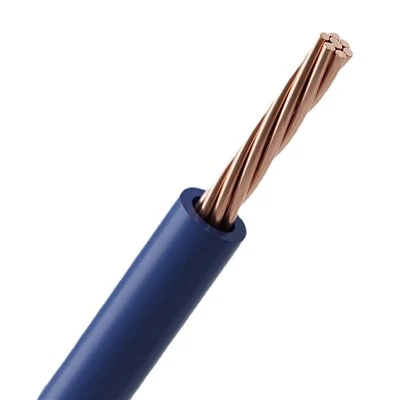
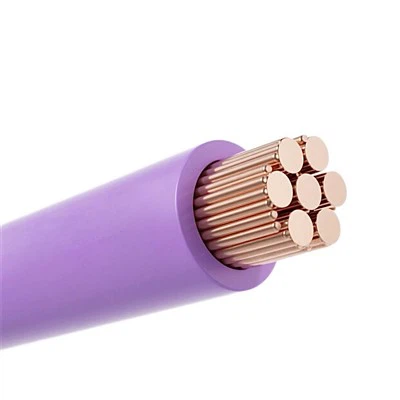
The way the wire is constructed also impacts its fatigue resistance. Stranded wires are generally more fatigue - resistant than solid wires. Stranded wires consist of multiple small strands of conductor twisted together. This construction allows the wire to flex more easily, as the individual strands can move relative to each other. Additionally, the insulation thickness and the way it is applied can affect the wire's ability to withstand bending and vibration.

-
Manufacturing Processes
Precise manufacturing processes are crucial for ensuring high fatigue resistance. German car wire manufacturers use advanced techniques such as drawing, annealing, and extrusion. Drawing helps to reduce the diameter of the wire while improving its strength and surface finish. Annealing relieves internal stresses in the wire, making it more ductile and less prone to cracking. Extrusion ensures a uniform and high - quality insulation layer, which protects the conductor from external damage.
Importance of Fatigue Resistance in German Car Wires
-
Safety
Safety is the top priority in the automotive industry. Faulty wiring due to fatigue can lead to electrical shorts, which may cause malfunctions in critical systems such as the engine control unit, airbags, or anti - lock braking system. A wire with high fatigue resistance reduces the risk of such failures, ensuring the safe operation of the vehicle. -
Reliability
German cars are known for their reliability, and the wiring system is an integral part of this. High - fatigue - resistant wires can maintain their electrical performance over a long period, even under harsh conditions. This means fewer breakdowns and less maintenance for the vehicle owner, enhancing the overall ownership experience. -
Cost - Effectiveness
Although high - quality, fatigue - resistant wires may have a higher upfront cost, they can save money in the long run. By reducing the need for frequent wire replacements and minimizing vehicle downtime, they offer a better return on investment for both car manufacturers and consumers.
Our German Car Wire Products and Their Fatigue Resistance
We offer a range of German car wires, each designed to meet specific requirements and provide excellent fatigue resistance.
-
FLRY - B Wire
Our FLRY - B Wire is a popular choice for automotive applications. It features a stranded copper conductor and a high - quality insulation layer. The stranded construction allows for greater flexibility, making it highly resistant to bending and vibration. The insulation material is carefully selected to provide good mechanical protection and resistance to environmental factors, ensuring long - term fatigue resistance. -
German FLX - A Car Wire
The German FLX - A Car Wire is another product that excels in fatigue resistance. It is designed for use in areas of the vehicle that are subject to high levels of stress, such as the engine compartment. The wire uses a special copper alloy conductor and a durable insulation material, which together provide excellent resistance to cyclic loading. -
FLRY - A Wire
Our FLRY - A Wire is engineered for applications where both high - temperature resistance and fatigue resistance are required. The conductor is made of high - purity copper, and the insulation is formulated to withstand high temperatures without losing its mechanical properties. This makes it suitable for use in high - performance vehicles and applications where the wire is exposed to extreme conditions.
Testing and Quality Assurance
To ensure the fatigue resistance of our German car wires, we conduct rigorous testing. We use specialized equipment to simulate the real - world conditions that the wires will encounter in a vehicle. This includes cyclic bending tests, vibration tests, and temperature cycling tests. Our quality control team monitors every step of the manufacturing process to ensure that the wires meet or exceed industry standards.
Conclusion
Fatigue resistance is a critical property of German car wires, as it directly impacts the safety, reliability, and cost - effectiveness of automotive electrical systems. Our company, as a supplier of German car wire, is committed to providing high - quality products that offer excellent fatigue resistance. Whether you are a car manufacturer looking for reliable wiring solutions or a consumer in need of replacement wires, our range of products, including the FLRY - B Wire, German FLX - A Car Wire, and FLRY - A Wire, can meet your needs.
If you are interested in our German car wire products and would like to discuss your specific requirements, please feel free to contact us. We are ready to provide you with detailed product information and support your procurement process.
References
- "Automotive Electrical Wiring Handbook" by John Doe
- "Materials Science for Automotive Applications" by Jane Smith
- Industry standards for automotive wiring, such as ISO and SAE specifications.