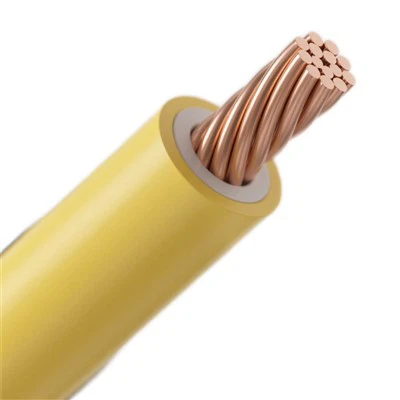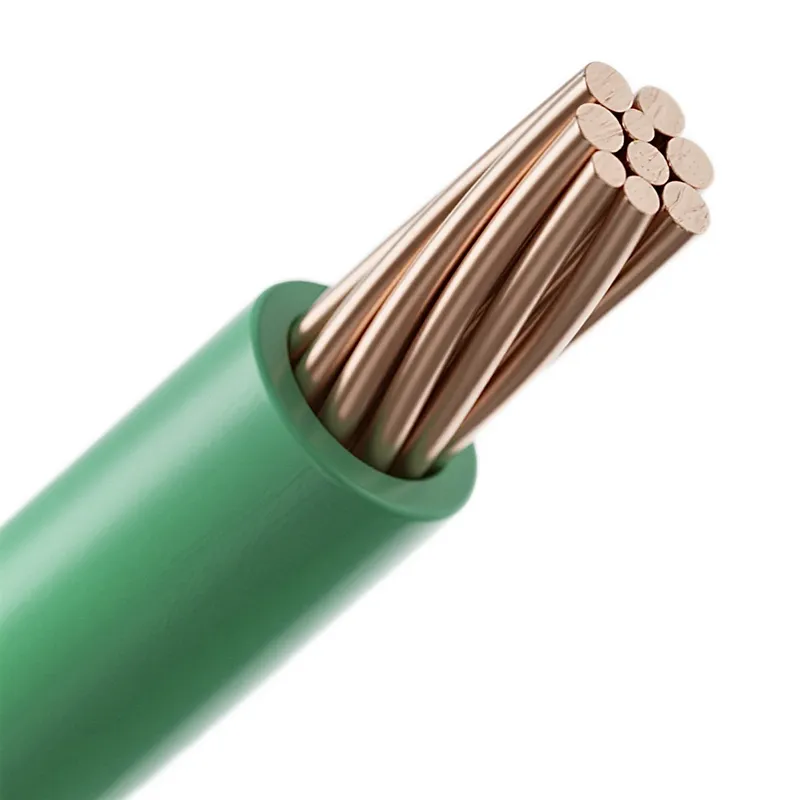
Road vehicle-Low tension cables with thin wall insulated
Long service life
All the products are environmentally friendly
More than 15 years of production experience
Quick online quote

Rated temperature:105℃
Rated voltage:AC 25V;DC 60V
Conductor:Stranded annealed bare copper wire or tinned copper wire
Insulation:PVC
Internal wiring in automobile
Application
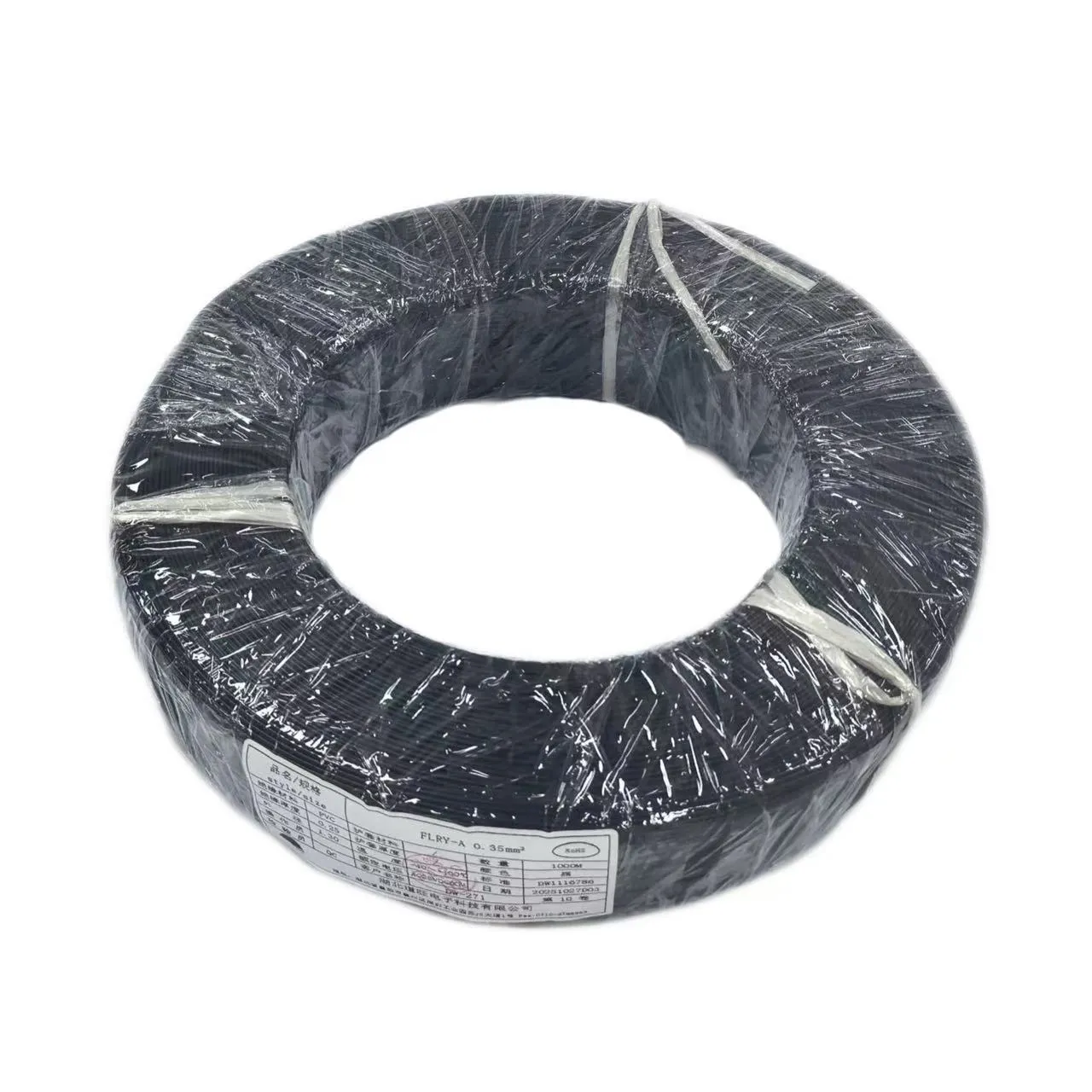

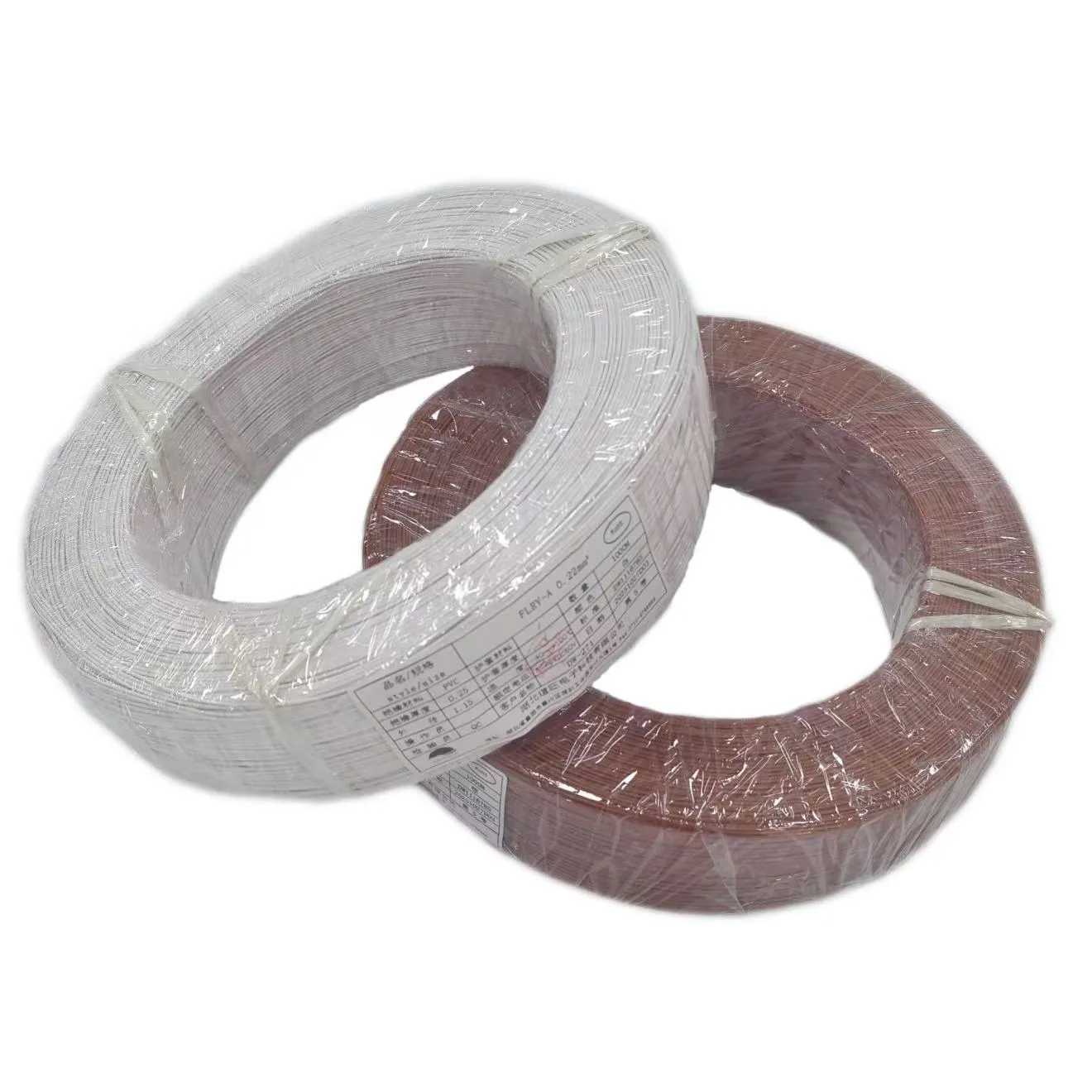
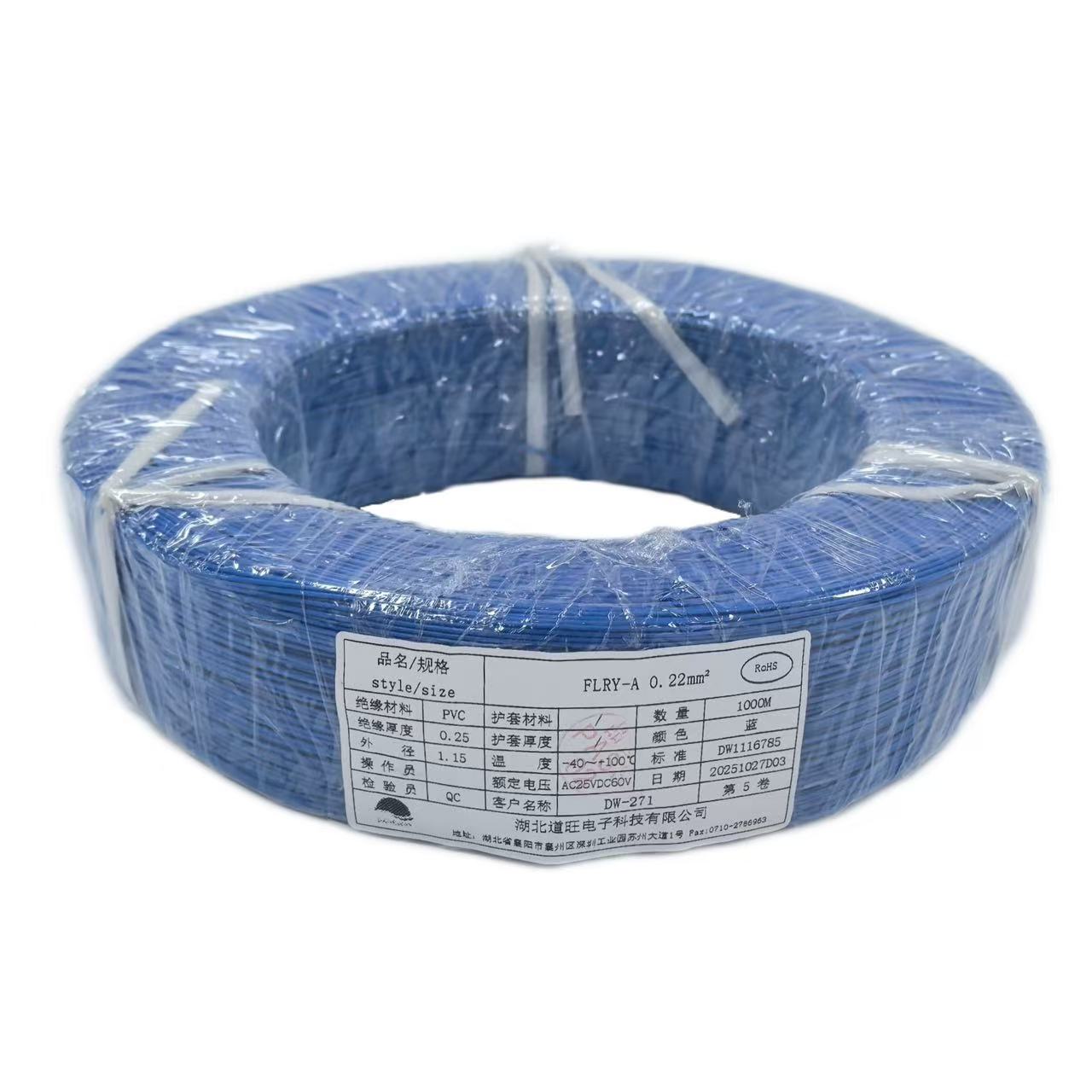
FLRY-A Vehicle Wire is a thin-wall, low-voltage automotive wire that's made to handle the hotter spots in a vehicle, especially around the engine bay where things get toasty.It's one of the go-to choices for wiring in the engine compartment and nearby high-heat areas. For example, it often runs to key sensors like the engine coolant temperature sensor or oil pressure sender-keeping those signals steady and accurate even when the area's sitting at 80–100°C (or more) for hours on end. The insulation doesn't soften up or age out quickly, so you avoid drift in readings or false triggers that could mess with engine management.It's also solid for low-current power feeds, like to electric cooling fans or the electronic throttle body/actuator. Those parts generate their own heat from airflow and motor operation, but FLRY-A Vehicle Wire holds up without the jacket cracking or losing flexibility over time.
In the powertrain side, you'll see it used for auxiliary ignition wiring, injector signal lines, or other fuel system connections. It shrugs off the constant heat radiation from the running engine, plus splashes of oil, fuel vapors, or exhaust fumes-common stuff that would chew through lesser wires.
Near super-hot components-like exhaust manifolds, turbo housings, or downpipes-it's handy for lamp wiring that has to route close by, such as front headlights feeding back toward the cabin or interior lights near heat sources. The typical 105°C continuous rating (with some specs pushing higher for short periods) means FLRY-A Vehicle Wire stays reliable without melting or degrading prematurely.
In newer electric or hybrid vehicles, FLRY-A Vehicle Wire works well for low-voltage auxiliary circuits around the battery pack or power electronics, where heat buildup from charging/discharging can push temps up. It keeps those control signals and small-power lines stable in those confined, warm enclosures.
Overall, FLRY-A Vehicle Wire (with its concentric-lay conductor for decent flexibility and thin PVC insulation) is built for those demanding under-hood jobs where standard wire would cook too fast. It helps avoid early failures, voltage drops, or brittle cracking-keeping the electrical system dependable in real-world driving conditions.
Structure

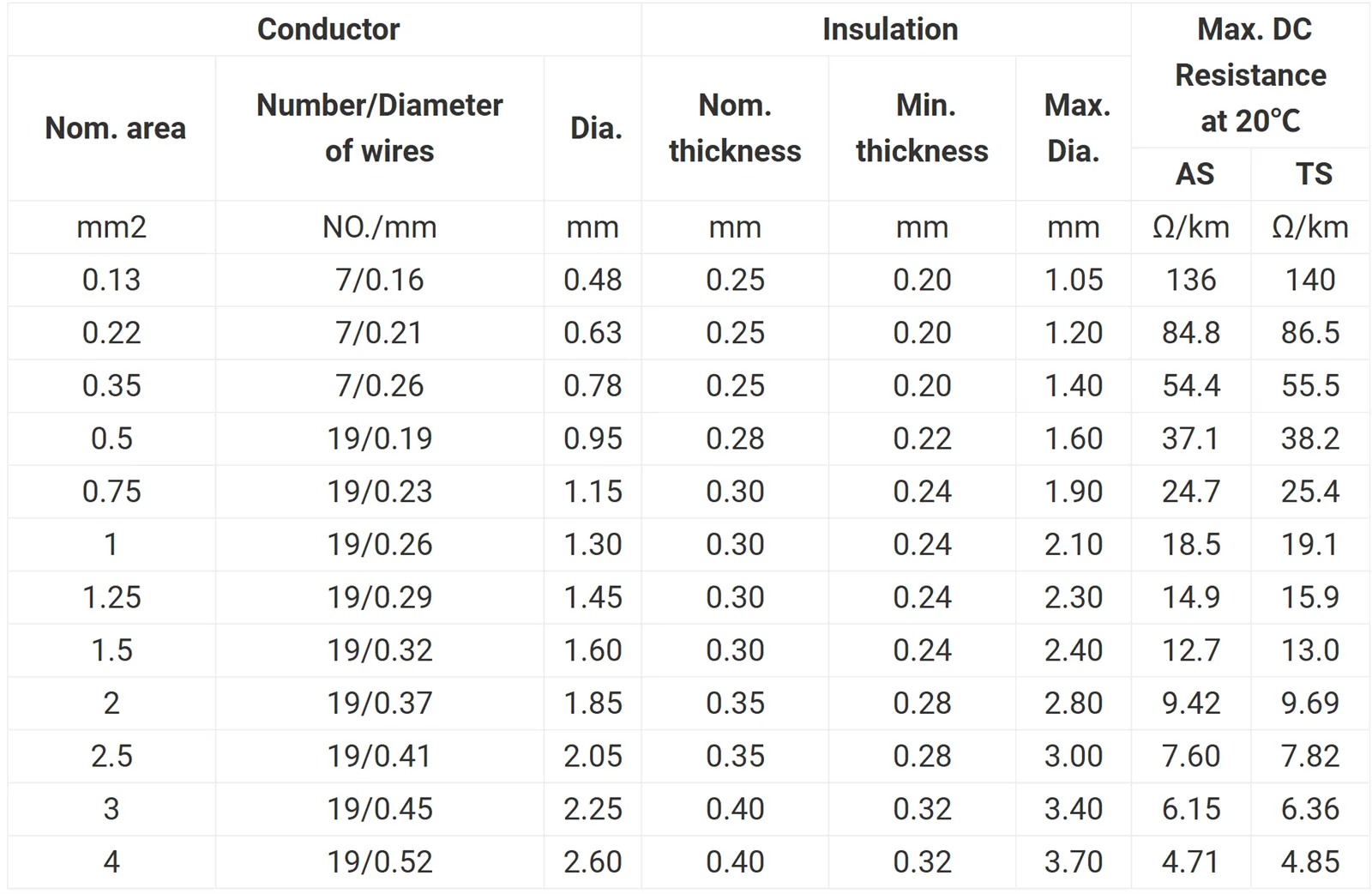
Product Specification
Equipment


partners


Certification

GBT

UL-CA

UL-US

GICG

IATF16949

UDEM

AVLV8E352430

E352430

UL

UL
FAQ
Q: What is your terms of delivery?
A: We accept EXW, FOB, CFR, CIF. You can choose the one which is the most convenient or cost effective for you.
Q: What are the core differences between FLRY-A wires and FLRY-B wires, and how to choose?
A: Both FLRY-A and FLRY-B are low-voltage automotive wires. The main difference lies in the temperature resistance level and the thickness of the insulation layer. The rated operating temperature of FLRY-A is 105℃, with a thinner insulation layer and stronger temperature resistance; FLRY-B has a rated operating temperature of 85℃, with a relatively thicker insulation layer and better flexibility and mechanical protection. When choosing, if it is applied in high-temperature areas such as the engine compartment, FLRY-A should be preferred; if it is used in areas with lower temperatures such as the interior dashboard and car doors, FLRY-B has a higher cost-performance ratio.
Q: Can't find the cable you need?
A: Send us your specs. We'll reply quickly with suitable models or customization.
Hot Tags: flry-a vehicle wire, China flry-a vehicle wire manufacturers, suppliers, factory, FLRY A Wire, FLRY B Wire, german car wire, German FLX A Car Wire