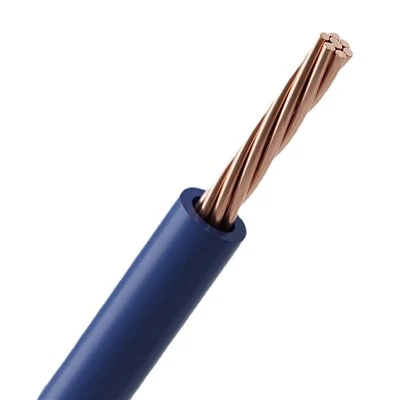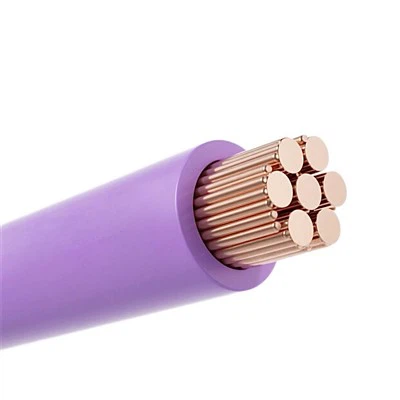

Corona resistance is a crucial characteristic in the performance of electrical wires, especially in high - voltage and high - frequency applications. As a supplier of GXL Wire, I am often asked about the corona resistance of this particular type of wire. In this blog, I will delve into what corona resistance is, how it pertains to GXL Wire, and why it matters in various applications.
Understanding Corona Discharge
Before we can understand corona resistance, we need to grasp the concept of corona discharge. Corona discharge is a phenomenon that occurs when the electric field strength around a conductor exceeds the dielectric strength of the surrounding air. This causes the air molecules to ionize, creating a visible or invisible glow around the conductor. In simple terms, it is a partial electrical discharge that takes place in the air adjacent to a conductor.
The ionization of air molecules during corona discharge can lead to several problems. It can cause the degradation of the wire's insulation material over time. The high - energy ions produced in the corona can break down the chemical bonds in the insulation, leading to cracks, voids, and reduced insulation performance. Additionally, corona discharge can generate electromagnetic interference (EMI), which can disrupt the operation of nearby electronic devices.
What is Corona Resistance?
Corona resistance refers to a wire's ability to withstand corona discharge without significant degradation of its insulation properties. A wire with high corona resistance can operate in high - voltage environments for extended periods without suffering from premature insulation failure. It is a measure of the wire's durability and reliability under challenging electrical conditions.
The corona resistance of a wire depends on several factors, including the type of insulation material used, the thickness of the insulation, and the surface smoothness of the conductor. Insulation materials with high dielectric strength and good chemical stability tend to have better corona resistance. For example, some polymers are specifically engineered to resist the effects of corona discharge, making them ideal for use in high - voltage applications.
Corona Resistance of GXL Wire
GXL Wire is a type of automotive primary wire that is widely used in the automotive industry. It is known for its thin - wall insulation and excellent flexibility, which makes it suitable for use in tight spaces and complex wiring harnesses. But what about its corona resistance?
The insulation material used in GXL Wire is typically cross - linked polyethylene (XLPE). XLPE has several properties that contribute to its corona resistance. Firstly, it has a relatively high dielectric strength, which means it can withstand higher electric field strengths before corona discharge occurs. Secondly, XLPE has good chemical stability, which allows it to resist the chemical degradation caused by the high - energy ions produced during corona discharge.
The thickness of the insulation also plays a role in the corona resistance of GXL Wire. While GXL Wire has a thin - wall design compared to some other types of wires, the insulation thickness is still carefully engineered to provide an adequate level of protection against corona discharge. Additionally, the manufacturing process of GXL Wire ensures that the surface of the conductor is smooth, which helps to reduce the likelihood of corona discharge initiation.
Importance of Corona Resistance in Automotive Applications
In the automotive industry, corona resistance is of particular importance for several reasons. Firstly, modern vehicles are becoming increasingly electrified, with more high - voltage systems being introduced. These high - voltage systems, such as electric powertrains and advanced driver - assistance systems (ADAS), require wires that can operate reliably under high - voltage conditions. A wire with poor corona resistance can lead to insulation failure, which can cause electrical shorts, system malfunctions, and even safety hazards.
Secondly, automotive environments are often harsh, with high temperatures, vibrations, and exposure to various chemicals. These conditions can further stress the wire's insulation and increase the likelihood of corona discharge. A wire with good corona resistance can better withstand these environmental factors, ensuring the long - term reliability of the vehicle's electrical systems.
Comparing GXL Wire with Other Automotive Wires
When considering the corona resistance of GXL Wire, it is useful to compare it with other types of automotive wires. For example, SXL Automotive Primary Wire is another popular type of automotive wire. SXL Wire has a thicker insulation compared to GXL Wire, which generally gives it better corona resistance in high - voltage applications. However, the thicker insulation also makes SXL Wire less flexible than GXL Wire, which may limit its use in some applications.
American Standard HDT Automotive Wire is designed for high - temperature applications. It uses a different insulation material than GXL Wire, which may have different corona resistance characteristics. HDT Wire is optimized for high - temperature performance, and while it may have good corona resistance at high temperatures, its performance at lower temperatures may vary compared to GXL Wire.
TXL Automotive Wire is known for its extremely thin - wall insulation. While TXL Wire offers excellent flexibility, its thin insulation may result in lower corona resistance compared to GXL Wire. This means that TXL Wire may not be the best choice for high - voltage applications where corona resistance is a critical factor.
Applications Where Corona Resistance of GXL Wire Shines
Despite the competition from other types of wires, there are several applications where the corona resistance of GXL Wire shines. In hybrid and electric vehicles, GXL Wire can be used in the wiring harnesses that connect the battery pack to the electric motor and other high - voltage components. The wire's ability to resist corona discharge ensures the reliable operation of these critical systems.
In addition, GXL Wire can be used in automotive lighting systems, especially those that use high - intensity discharge (HID) or light - emitting diode (LED) bulbs. These lighting systems often operate at high voltages, and a wire with good corona resistance is essential to prevent insulation breakdown and ensure long - term performance.
Conclusion and Call to Action
In conclusion, the corona resistance of GXL Wire is an important characteristic that contributes to its reliability and durability in high - voltage applications. The use of cross - linked polyethylene insulation and careful engineering of the insulation thickness and conductor surface smoothness give GXL Wire a good level of corona resistance, making it suitable for a wide range of automotive applications.


If you are in the market for high - quality GXL Wire or have any questions about its corona resistance or other properties, I encourage you to reach out. We are here to provide you with the best solutions for your wiring needs. Whether you are an automotive manufacturer, a repair shop, or an enthusiast, we can offer you the expertise and products you need to ensure the success of your projects.
References
- "Electrical Insulation for Rotating Machines: Design, Evaluation, Aging, Testing, and Repair" by G. C. Stone, E. A. Boulter, I. Culbert, and H. Dhirani.
- "Handbook of Electrical Engineering" by John Bird.
- Technical data sheets provided by wire manufacturers.