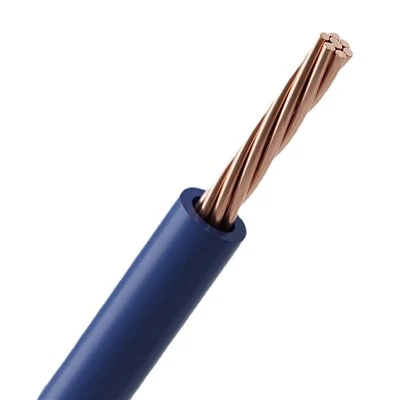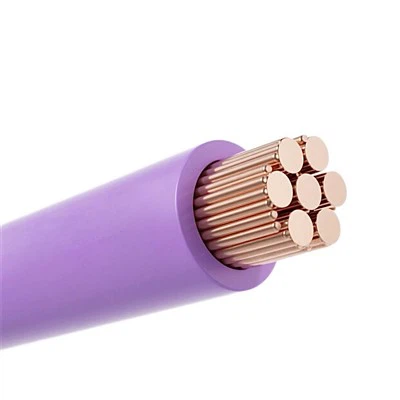

Picking the right ISO standard automotive wire for a specific vehicle can be a real head - scratcher. But don't worry, as an ISO standard automotive wire supplier, I'm here to walk you through the process.
First off, let's talk about why ISO standards matter. ISO standards ensure that the wires meet a certain level of quality, safety, and performance. When you're dealing with a vehicle, you're not just playing around. The electrical system is crucial for everything from starting the engine to powering your fancy infotainment system. Using ISO standard wires means you're getting products that have been tested and approved to work in automotive environments.
One of the first things you need to consider is the vehicle's electrical requirements. Different vehicles have different power needs. For example, a small economy car might have a relatively simple electrical system compared to a high - end luxury SUV with all the bells and whistles. You need to figure out the amperage and voltage requirements of the circuits in your vehicle. This information can usually be found in the vehicle's service manual. If you don't have the manual, you can also try reaching out to the vehicle manufacturer or a professional mechanic.


Once you know the electrical requirements, you can start looking at the different types of ISO standard automotive wires we offer.
Let's start with the QB - A Wire. This wire is great for general - purpose applications in vehicles. It has a good balance of flexibility and durability. It can handle moderate levels of current and is resistant to abrasion and heat. If you're looking to replace some of the basic wiring in your car, like the wiring for the interior lights or the radio, the QB - A Wire could be a good choice.
Another option is the QVR Wire. This wire is designed for more heavy - duty applications. It can handle higher amperages and is more resistant to extreme temperatures. If you're working on a vehicle with a high - power electrical system, like a performance car or a commercial vehicle, the QVR Wire might be what you need. It's also great for wiring components that generate a lot of heat, such as the engine control unit or the alternator.
Then there's the QB - B Wire. This wire is known for its excellent flexibility. It's perfect for applications where the wire needs to be bent or routed in tight spaces. If you're installing a new audio system in your car and need to run wires through the door panels or under the seats, the QB - B Wire will make your job a lot easier.
The size of the wire is also a crucial factor. Wire size is measured in gauge. The lower the gauge number, the thicker the wire. Thicker wires can carry more current without overheating. So, if you have a circuit that requires a high amperage, you'll need a lower - gauge wire. On the other hand, if the circuit only needs a small amount of current, a higher - gauge wire will be sufficient. For example, a 16 - gauge wire might be used for a low - power accessory like a dashboard light, while a 10 - gauge wire could be used for a high - power component like a starter motor.
Environmental factors also play a role in wire selection. If your vehicle is going to be exposed to harsh conditions, such as extreme cold, heat, moisture, or chemicals, you need to choose a wire that can withstand these elements. Some of our ISO standard automotive wires are coated with special materials to provide extra protection against corrosion, UV rays, and other environmental hazards. For instance, if you live in a coastal area where the air is salty, you'll want a wire with a corrosion - resistant coating.
It's also important to consider the length of the wire. Longer wires have more resistance, which can cause a voltage drop. A significant voltage drop can affect the performance of the electrical components. To minimize voltage drop, you may need to use a thicker wire for longer runs. You can use online calculators or consult an electrical engineer to determine the appropriate wire size based on the length of the wire and the amperage of the circuit.
When it comes to installation, make sure you follow the proper procedures. Always disconnect the battery before working on the electrical system to avoid electrical shock. Use the right tools, such as wire strippers, crimpers, and soldering irons. Make sure the connections are secure and insulated properly to prevent short circuits.
If you're still not sure which ISO standard automotive wire is right for your vehicle, don't hesitate to reach out to us. We have a team of experts who can help you make the right choice based on your specific needs. Whether you're a professional mechanic working on a fleet of vehicles or a DIY enthusiast working on your own car, we're here to support you.
In conclusion, choosing the right ISO standard automotive wire for a specific vehicle involves considering several factors, including the vehicle's electrical requirements, the type of wire, the wire size, environmental factors, and the length of the wire. By taking the time to do your research and make an informed decision, you can ensure that your vehicle's electrical system works safely and efficiently. So, if you're in the market for ISO standard automotive wires, get in touch with us. We'll help you find the perfect wire for your vehicle and guide you through the purchasing process.
References
- General automotive electrical engineering textbooks
- Vehicle service manuals from various manufacturers
- ISO standards documentation related to automotive wiring