
Can UL Wire be Used in Automotive Applications?
As a supplier of UL wire, I often get asked whether UL wire can be used in automotive applications. This is a crucial question considering the unique requirements of the automotive industry. In this blog, I'll delve into the technical aspects, advantages, limitations, and overall viability of using UL wire in automotive settings.
Understanding UL Wire
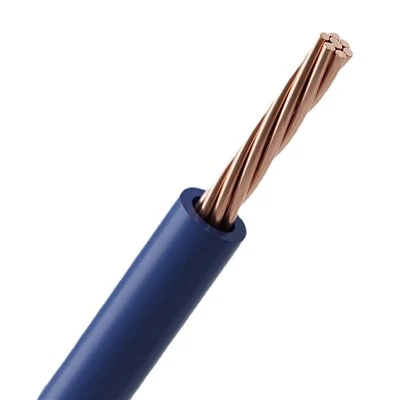
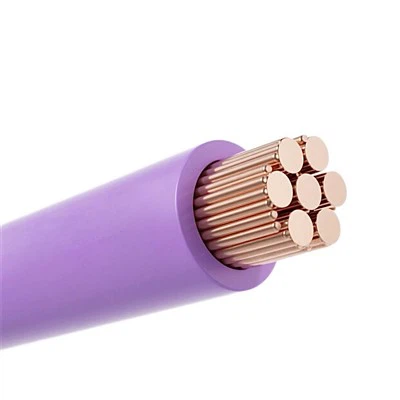
UL (Underwriters Laboratories) is a globally recognized organization that sets safety standards for a wide range of electrical products, including wires and cables. UL wire is manufactured to meet specific UL standards, which ensure its safety, performance, and quality in various electrical applications. These standards cover aspects such as insulation materials, temperature ratings, voltage ratings, and flammability resistance.
UL wires come in different types and specifications, each designed for specific applications. For example, UL3266 is a type of cross-linked polyethylene (XLPE) wire that offers excellent electrical properties, high-temperature resistance, and mechanical strength.
Automotive Application Requirements
The automotive industry has very specific requirements for wires and cables due to the harsh operating environment. Automotive wires need to withstand high temperatures, vibrations, moisture, chemicals, and electromagnetic interference (EMI). They also need to be flexible enough to be routed through tight spaces in the vehicle and have a long service life to ensure reliable operation.
In addition, automotive wires must comply with various industry standards, such as ISO (International Organization for Standardization) standards. For instance, QVR Wire and QB-A Wire are designed to meet ISO standards for automotive applications.
Advantages of Using UL Wire in Automotive Applications
- Safety and Quality Assurance: UL wire is tested and certified to meet strict safety standards. This provides a high level of confidence in the reliability and safety of the wire, which is crucial in automotive applications where electrical failures can lead to serious safety issues.
- Diverse Range of Options: UL offers a wide range of wire types and specifications, allowing automotive manufacturers to choose the wire that best suits their specific requirements. For example, UL wires with high-temperature ratings can be used in areas of the vehicle where heat is a concern, such as near the engine.
- Compatibility with Electrical Systems: UL wire is designed to work well with various electrical systems. It has the appropriate electrical properties, such as low resistance and high insulation resistance, which are essential for efficient power transmission and reliable operation of automotive electrical components.
Limitations of Using UL Wire in Automotive Applications
- Industry-Specific Standards: While UL wire meets high safety standards, it may not always comply with all the specific requirements of the automotive industry. Automotive standards, such as ISO standards, are often more focused on the unique operating conditions of vehicles. For example, automotive wires may need to have a specific level of flexibility and resistance to automotive fluids, which may not be fully addressed by UL standards.
- Cost: UL-certified wires can sometimes be more expensive than wires designed specifically for automotive applications. This is due to the additional testing and certification processes required to meet UL standards. For automotive manufacturers looking to optimize costs, this can be a significant factor.
Evaluating the Viability
To determine whether UL wire can be used in a particular automotive application, a detailed evaluation is necessary. This evaluation should consider the following factors:
- Operating Conditions: Analyze the temperature, humidity, vibration, and chemical exposure levels in the specific area of the vehicle where the wire will be used. If the UL wire's specifications can withstand these conditions, it may be a suitable option.
- Electrical Requirements: Ensure that the UL wire has the appropriate electrical properties, such as voltage rating, current-carrying capacity, and insulation resistance, to meet the requirements of the automotive electrical system.
- Compliance with Automotive Standards: Check if the UL wire can meet the relevant automotive standards. In some cases, it may be possible to use UL wire with additional modifications or approvals to ensure compliance.
Case Studies
Let's look at a few case studies to illustrate the use of UL wire in automotive applications.
Case Study 1: Interior Lighting System
In a vehicle's interior lighting system, the operating conditions are relatively mild. The temperature is within a reasonable range, and there is minimal exposure to harsh chemicals or vibrations. In this case, a UL wire with a suitable voltage rating and insulation material can be used. The safety and quality assurance provided by the UL certification ensure reliable operation of the lighting system.

Case Study 2: Engine Compartment
The engine compartment is a challenging environment for wires. It experiences high temperatures, vibrations, and exposure to engine fluids. While some UL wires with high-temperature ratings may be considered, they need to be carefully evaluated for their resistance to automotive fluids and mechanical stress. In some cases, additional protective measures may be required to ensure long-term reliability.
Conclusion
In conclusion, UL wire can be used in automotive applications, but it depends on the specific requirements of the application. While UL wire offers many advantages in terms of safety and quality, it may need to be carefully evaluated against the unique demands of the automotive industry. Automotive manufacturers should work closely with wire suppliers to determine the most suitable wire for their applications.
If you are an automotive manufacturer or involved in the automotive industry and are interested in exploring the use of UL wire in your applications, I encourage you to contact us for further discussion. We have a team of experts who can help you evaluate the viability of using UL wire and provide you with the best solutions for your specific needs.
References
- Underwriters Laboratories official documentation
- ISO standards for automotive wires and cables
- Technical literature from automotive component manufacturers