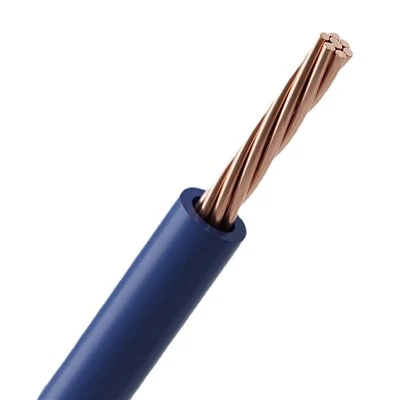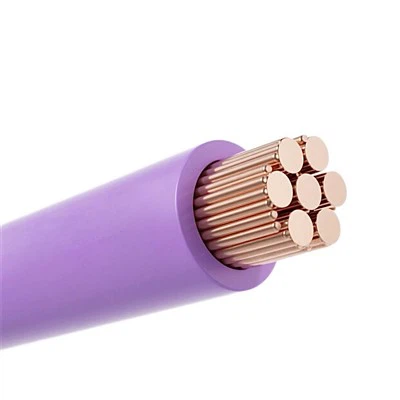

Hey there! As an AVSS Wire supplier, I often get asked a bunch of questions about our products. One question that pops up quite a bit is, "Is AVSS Wire resistant to static electricity?" Well, let's dive right into it and find out.


First off, let's understand what AVSS Wire is. AVSS Wire is a type of automotive wire that's commonly used in Japanese cars. You can check out more about it AVSS Wire. It's known for its high - quality insulation and flexibility, which makes it suitable for various automotive applications.
Now, static electricity. Static electricity is basically an imbalance of electric charges within or on the surface of a material. It can build up when two materials come into contact and then separate, or through friction. In an automotive environment, static electricity can be a real pain. It can cause electrical interference, which might mess with the proper functioning of sensitive electronic components in the car.
When it comes to the resistance of AVSS Wire to static electricity, it depends on a few factors. The insulation material of the AVSS Wire plays a crucial role here. Most AVSS Wires are insulated with materials that have certain electrical properties. These materials are designed to minimize the build - up of static charges.
For example, the insulation might have a low surface resistance. A low surface resistance means that any static charges that do build up on the wire can dissipate more easily. This helps prevent the charges from accumulating to a level where they could cause problems.
Another aspect is the way the wire is manufactured. During the manufacturing process, certain treatments can be applied to enhance the wire's resistance to static electricity. These treatments can modify the chemical and physical properties of the insulation, making it less likely to generate or hold static charges.
However, it's important to note that no wire is completely immune to static electricity. There are always external factors that can affect the wire's performance. For instance, if the AVSS Wire is used in an environment with extremely low humidity, static electricity is more likely to build up. Low humidity reduces the ability of the air to conduct electricity, which means that static charges are less likely to dissipate into the air.
Also, if the wire is constantly rubbed against other materials, like in a moving vehicle where it might be in contact with different parts, friction can generate static electricity. In such cases, even a wire with good static - resistant properties might experience some static build - up.
Let's compare AVSS Wire with some other types of automotive wires. Take AEX Wire and AVS Wire for example. AEX Wire is another type of automotive wire, and it has its own set of electrical properties. While it also has insulation to protect against electrical issues, its resistance to static electricity might be different from that of AVSS Wire. The insulation materials and manufacturing processes for AEX Wire are designed to meet different requirements, so the static - resistant capabilities can vary.
Similarly, AVS Wire has its unique features. It's used in specific automotive applications, and its ability to resist static electricity is based on its insulation and construction. In some cases, AVS Wire might be more suitable for environments where static electricity is a major concern, while in other situations, AVSS Wire could be the better choice.
To ensure that the AVSS Wire performs well in terms of static electricity resistance, proper installation is key. When installing the wire, it should be routed in a way that minimizes friction with other components. Also, using proper grounding techniques can help dissipate any static charges that do build up. Grounding provides a path for the static electricity to flow safely to the ground, preventing it from causing damage to the wire or the connected electronic devices.
In addition, regular maintenance of the AVSS Wire is important. Over time, the insulation of the wire can degrade due to factors like heat, moisture, and mechanical stress. A degraded insulation might not be as effective at resisting static electricity. So, checking the wire regularly for signs of wear and tear and replacing it if necessary can help maintain its static - resistant properties.
So, is AVSS Wire resistant to static electricity? The answer is yes, to a large extent. The insulation and manufacturing processes of AVSS Wire are designed to minimize the build - up of static charges. However, external factors can still affect its performance, and proper installation and maintenance are essential to ensure its optimal static - resistant capabilities.
If you're in the market for automotive wires and are considering AVSS Wire, I'd be more than happy to help you out. Whether you have more questions about its resistance to static electricity or other aspects of the wire, feel free to reach out. We can have a detailed discussion about your specific requirements and how our AVSS Wire can meet them.
In conclusion, AVSS Wire is a great option for automotive applications, and its resistance to static electricity is one of its many advantages. But like any product, it needs to be used and maintained properly to get the best results. So, don't hesitate to get in touch if you're interested in purchasing AVSS Wire for your automotive projects.
References:
- General knowledge of automotive wire properties and static electricity principles.
- Industry standards and research on automotive wire insulation materials.