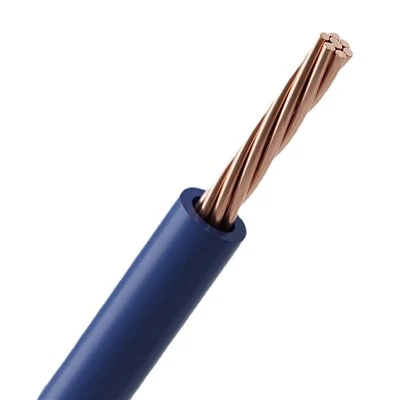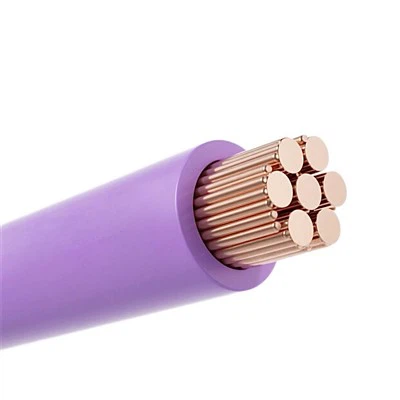

Hey there! As a supplier of FLRY - B Wire, I've seen firsthand how important proper labeling is for identification. In this blog, I'll share some tips on how to label FLRY - B Wire effectively.
Why Labeling FLRY - B Wire is Crucial
First off, let's talk about why labeling is such a big deal. FLRY - B Wire is commonly used in automotive applications, especially in German cars. With so many wires running through a vehicle, it can be a real headache to figure out which wire is which during installation, maintenance, or repair. Proper labeling makes it easier for technicians to quickly identify the FLRY - B Wire, reducing the time and effort required to work on the vehicle. It also helps prevent mistakes, like connecting the wrong wires, which can lead to malfunctions or even safety hazards.
What to Include in the Label
When labeling FLRY - B Wire, you need to include some key information.
1. Wire Type
The most obvious thing to put on the label is the wire type, which in this case is FLRY - B Wire. You can find more details about FLRY - B Wire on our website. This helps anyone looking at the wire immediately know what they're dealing with.
2. Gauge
The gauge of the wire is also important. The gauge indicates the thickness of the wire, and different applications may require different gauges. For example, a higher - gauge wire (thinner) might be used for low - current circuits, while a lower - gauge wire (thicker) is used for high - current applications. Make sure to clearly mark the gauge on the label.
3. Color Code
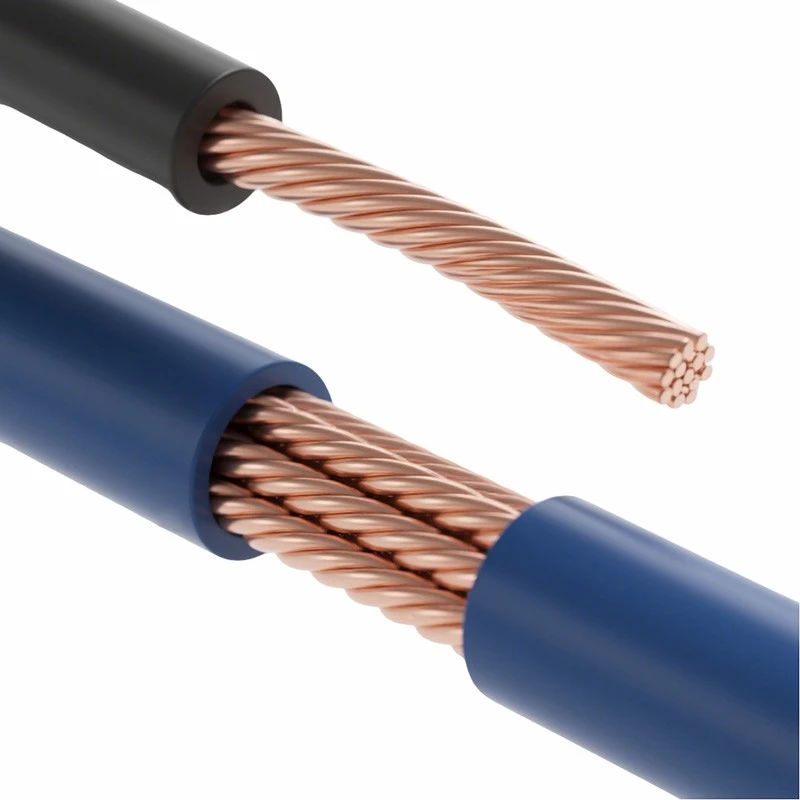
FLRY - B Wire often comes in different colors, and these colors can have specific meanings. For instance, a certain color might be used for a power wire, while another color is for a ground wire. Include the color code on the label so that technicians can easily identify the function of the wire based on its color.

4. Circuit Number
If the wire is part of a specific circuit in the vehicle, it's a good idea to label it with the circuit number. This makes it easier to trace the wire back to its source and understand its role in the overall electrical system.
Labeling Methods
Now that we know what to include on the label, let's talk about how to apply the labels.
1. Heat - Shrink Labels
Heat - shrink labels are a popular choice for labeling wires. They're made of a special material that shrinks when heated, tightly conforming to the shape of the wire. To use heat - shrink labels, you first print the necessary information on the label. Then, you slide the label onto the wire and use a heat gun to shrink it. The result is a durable, long - lasting label that won't easily come off.
2. Adhesive Labels
Adhesive labels are another option. They're easy to use - you just print the label and stick it onto the wire. However, they may not be as durable as heat - shrink labels, especially in harsh environments where the wire may be exposed to heat, moisture, or chemicals. Make sure to choose high - quality adhesive labels that are designed for use on wires.
3. Engraved Labels
For a more permanent solution, you can use engraved labels. These labels are made by engraving the information directly onto a small metal or plastic tag. You then attach the tag to the wire using a cable tie or a similar method. Engraved labels are very durable and can withstand a lot of wear and tear.
Comparing FLRY - B Wire with Similar Wires
It's also important to understand how FLRY - B Wire compares to other similar wires, like FLRY - A Wire and German FLX - A Car Wire.
FLRY - A Wire
FLRY - A Wire is similar to FLRY - B Wire in that they're both used in automotive applications. However, FLRY - A Wire may have different insulation properties or be designed for different voltage levels. When labeling FLRY - A Wire, you'll follow similar principles as with FLRY - B Wire, but make sure to clearly mark the wire type to avoid confusion.
German FLX - A Car Wire
German FLX - A Car Wire is another option in the automotive wire market. It may have different construction and performance characteristics compared to FLRY - B Wire. When working with both types of wires in a vehicle, proper labeling becomes even more crucial to ensure that each wire is used and connected correctly.
Tips for Effective Labeling
Here are some additional tips to make your labeling process more effective:
1. Use a Consistent Format
Make sure to use a consistent format for all your labels. This makes it easier for technicians to quickly read and understand the information on the labels. For example, you could always put the wire type at the top, followed by the gauge, color code, and circuit number.
2. Keep Records
It's a good idea to keep records of the labeling information. This can be useful for future reference, especially if you need to troubleshoot a problem or make changes to the wiring system. You can keep these records in a digital database or a physical file.
3. Test the Labels
Before you start labeling a large number of wires, test the labels to make sure they adhere properly and are legible. You can do this by applying a few labels to sample wires and subjecting them to normal operating conditions for a short period.
Conclusion
Properly labeling FLRY - B Wire is essential for easy identification and safe operation in automotive applications. By including the right information on the label and using the appropriate labeling method, you can make the wiring system in a vehicle much more manageable. Whether you're an automotive technician, a mechanic, or someone working on a DIY car project, following these tips will help you get the job done right.
If you're interested in purchasing FLRY - B Wire or have any questions about our products, feel free to reach out to us for a procurement discussion. We're here to help you find the right wire solutions for your needs.
References
- General knowledge of automotive wiring systems
- Industry standards for wire labeling