
Hey there! As a supplier of multicore cables, I often get asked if these cables can be used in flexible applications. Well, let's dive right into this topic and find out.
First off, what are multicore cables? They're basically cables that contain multiple insulated conductors within a single outer jacket. This design allows for the transmission of multiple signals or power sources simultaneously, which is super handy in a whole bunch of different setups.
Now, when it comes to flexible applications, things get a bit more interesting. Flexible applications usually mean that the cable needs to bend, twist, or move around without getting damaged. Think about things like robotics, industrial machinery, or even some consumer electronics where the cables are constantly in motion.
So, can multicore cables handle these flexible situations? The short answer is yes, but it depends on a few factors.
Cable Construction
The construction of the multicore cable plays a huge role in its flexibility. For starters, the type of insulation used is crucial. Some insulation materials are more flexible than others. For example, PVC (Polyvinyl Chloride) is a common choice for insulation, but it might not be the best for extremely flexible applications. On the other hand, materials like TPE (Thermoplastic Elastomer) or silicone offer better flexibility and can withstand repeated bending without cracking or breaking.
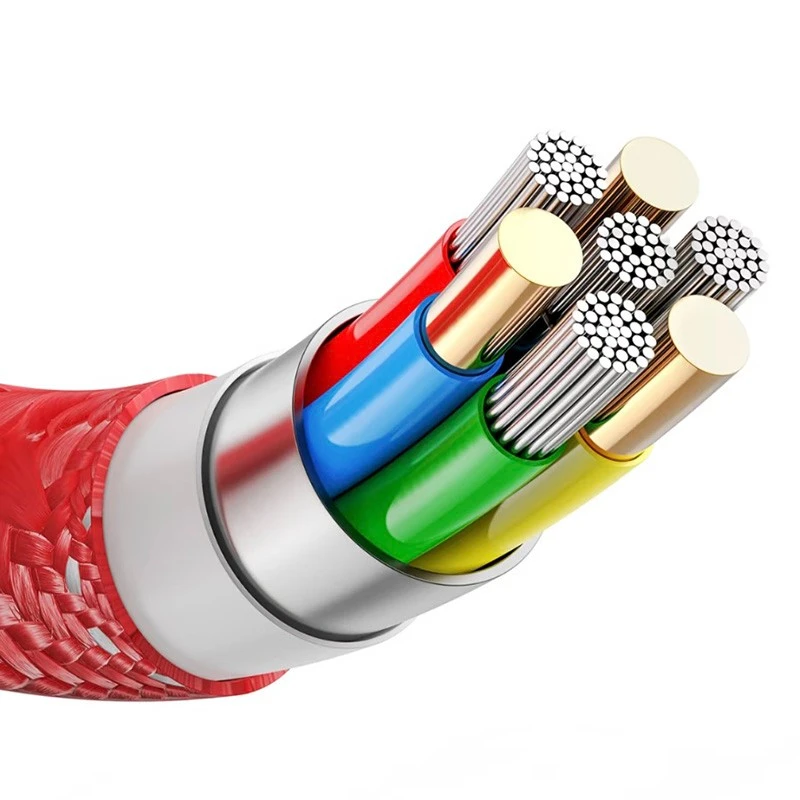

The way the conductors are arranged inside the cable also matters. In a well - designed multicore cable, the conductors are usually twisted together in a specific pattern. This twisting helps to reduce interference between the different conductors and also gives the cable some inherent flexibility. If the conductors are too tightly packed or not twisted properly, the cable might become stiff and less suitable for flexible use.
Stranding of Conductors
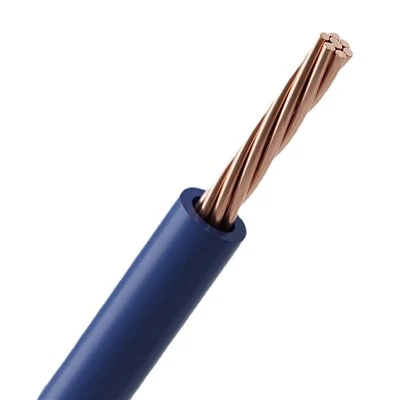
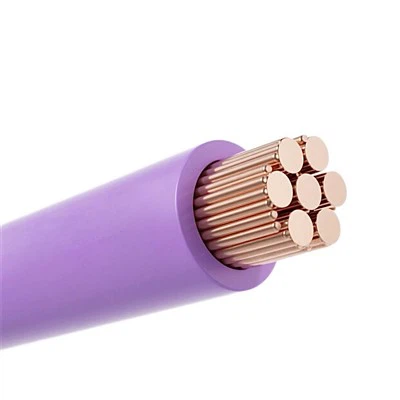
The stranding of the conductors is another important aspect. Instead of using a single solid conductor, multicore cables often use stranded conductors. Stranded conductors are made up of multiple small wires twisted together. This design makes the cable more flexible because the individual wires can move and bend more easily compared to a solid conductor. The more strands there are, the more flexible the cable tends to be. For instance, a cable with a high number of fine strands, like 7/0.2mm (7 strands of 0.2mm diameter each), will be more flexible than a cable with fewer, thicker strands.
UL Standards and Their Impact on Flexibility
There are some industry standards that are relevant here. Two important ones are UL20276 and UL20276 and UL2919. These standards set requirements for the performance and safety of multicore cables.
UL20276, for example, has specific criteria regarding the cable's mechanical and electrical properties. Cables that meet this standard have been tested to ensure they can withstand a certain level of bending and flexing without failing. This means that if you're looking for a multicore cable for a flexible application, choosing one that complies with UL20276 gives you some assurance that it can handle the job.
UL2919 also focuses on the overall quality and performance of the cable. It takes into account factors like the cable's resistance to abrasion, which is important in flexible applications where the cable might rub against other surfaces during movement. A cable that meets UL2919 standards is more likely to be durable and suitable for long - term use in flexible setups.
Real - World Applications
Let's look at some real - world examples of where multicore cables are used in flexible applications.
In robotics, multicore cables are used to connect different components of the robot, such as sensors, motors, and controllers. These cables need to be flexible enough to allow the robot's arms and joints to move freely. If the cables are too stiff, they can restrict the robot's movement and might even get damaged over time.
Industrial machinery also relies heavily on multicore cables for flexible applications. For example, in a conveyor belt system, the cables that control the motors and sensors need to be able to bend and move as the conveyor belt operates. A flexible multicore cable ensures reliable operation and reduces the risk of cable failure.
Consumer electronics, like laptops and tablets, also use multicore cables in some flexible parts. The cables that connect the display to the motherboard, for instance, need to be flexible to allow for easy assembly and to withstand any minor movements during normal use.
Challenges and Solutions
Of course, using multicore cables in flexible applications isn't without its challenges. One of the main challenges is the risk of fatigue failure. When a cable is bent and flexed repeatedly, the conductors and insulation can start to wear out over time. This can lead to a loss of electrical conductivity or even a complete break in the cable.
To address this issue, cable manufacturers use various techniques. One solution is to use high - quality materials that are more resistant to fatigue. As mentioned earlier, silicone and TPE insulation materials are good choices in this regard. Another approach is to design the cable with extra flexibility in mind, such as using a higher number of strands in the conductors and a looser twist pattern.
Our Offerings as a Supplier
As a multicore cable supplier, we understand the importance of providing cables that are suitable for flexible applications. We offer a wide range of multicore cables with different insulation materials, conductor arrangements, and stranding options.
Our cables are designed to meet or exceed industry standards like UL20276 and UL2919. We use only the highest - quality materials in our manufacturing process to ensure that our cables are durable, flexible, and reliable. Whether you need a cable for a small consumer electronics project or a large - scale industrial application, we've got you covered.
If you're in the market for multicore cables for flexible applications, we'd love to hear from you. We can work with you to understand your specific requirements and recommend the best cable solution for your needs. Don't hesitate to reach out to us for more information or to start a procurement discussion.
References
- Electrical Wiring Handbook
- Industry reports on cable manufacturing and standards
So, to sum it all up, multicore cables can definitely be used in flexible applications, as long as they're designed and manufactured with the right materials and construction techniques. And if you're looking for a reliable supplier, we're here to help make your project a success!