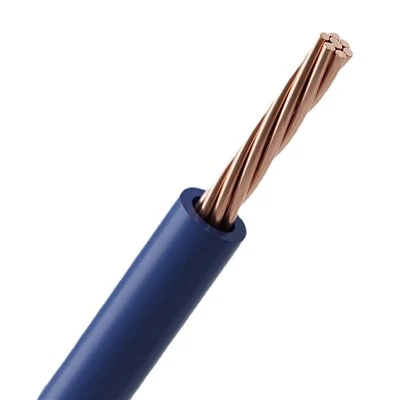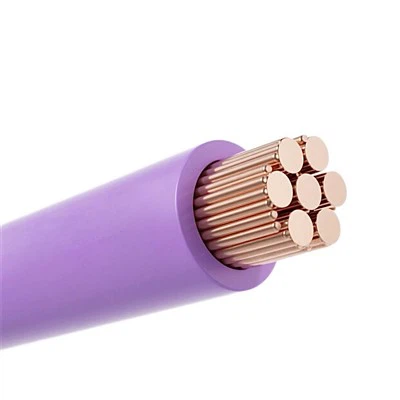

As a PVC wire supplier, I understand the critical importance of proper labeling for easy identification. In the electrical industry, where safety and efficiency are paramount, clear and accurate wire labeling can make a significant difference. This blog post will delve into the best practices for labeling PVC wire to ensure seamless identification, both for installers and maintenance personnel.
Understanding the Basics of PVC Wire Labeling
Before we dive into the how - to, it's essential to understand why labeling PVC wire is so crucial. PVC wires are used in a wide range of applications, from household electrical systems to complex industrial setups. Without proper labeling, it can be incredibly challenging to distinguish between different wires, leading to potential errors during installation, maintenance, or troubleshooting.
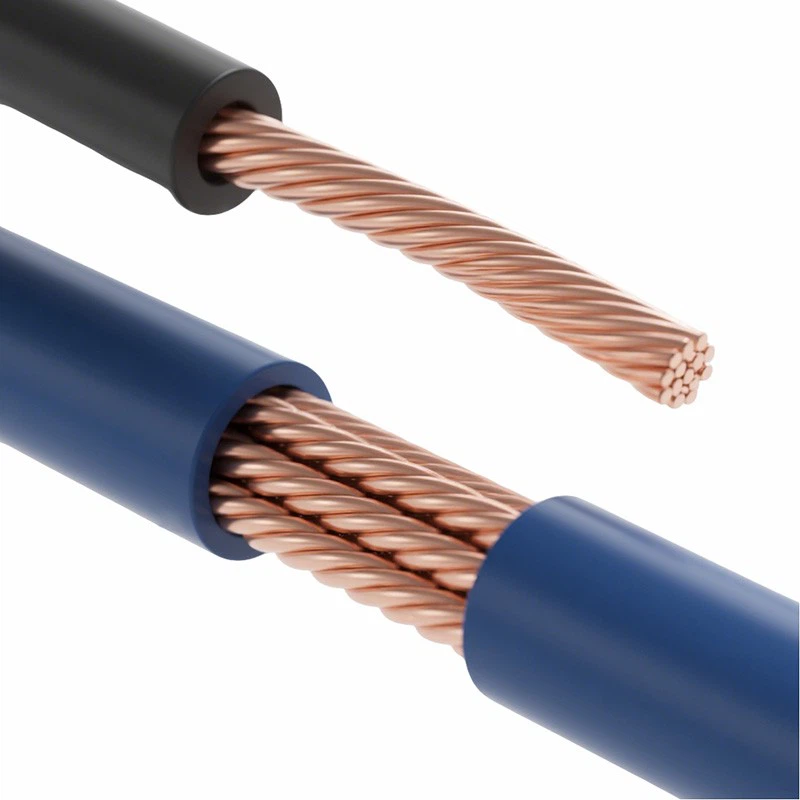

Types of PVC Wires and Their Labeling Needs
There are several types of PVC wires, each with its own unique characteristics and applications. For example, UL1569 is a type of PVC wire commonly used in low - voltage applications such as control circuits and instrumentation. You can learn more about it UL1569. UL1007 Wire is another popular choice, often used in electronic equipment and appliances. Find out more details UL1007 Wire. UL1015 Wire, on the other hand, is suitable for higher - voltage applications. You can explore its features UL1015 Wire. Each of these wires requires specific labeling to convey information about their voltage rating, current capacity, and other important specifications.
Choosing the Right Labeling Materials
The first step in labeling PVC wire is selecting the appropriate labeling materials. The labels need to be durable, resistant to environmental factors such as heat, moisture, and chemicals, and able to adhere firmly to the wire surface.
Self - Adhesive Labels
Self - adhesive labels are a popular choice for PVC wire labeling. They come in various sizes, shapes, and colors, allowing for customization based on your specific needs. These labels are easy to apply and can be printed with text, barcodes, or other identifying information. When choosing self - adhesive labels, make sure they are made from high - quality materials that can withstand the conditions in which the wires will be used.
Heat - Shrink Labels
Heat - shrink labels are another excellent option, especially for applications where the labels need to be more permanent and resistant to abrasion. These labels are placed over the wire, and then heat is applied, causing the label to shrink and conform tightly to the wire surface. Heat - shrink labels provide a secure and long - lasting labeling solution.
Labeling Information to Include
The information included on the wire labels should be clear, concise, and relevant. Here are some key pieces of information that should be included:
Wire Type and Specification
Clearly state the type of PVC wire, such as UL1569, UL1007, or UL1015. Also, include important specifications like the wire gauge, voltage rating, and current capacity. This information helps installers and maintenance personnel quickly identify the wire's capabilities and ensure it is being used correctly.
Circuit Identification
If the wire is part of a specific circuit, label it with the circuit number or name. This makes it easier to trace the wire's path and troubleshoot any issues that may arise.
Direction and Destination
In some cases, it may be necessary to indicate the direction in which the wire is running and its destination. This is particularly useful in large electrical systems where wires can be complex and difficult to follow.
Labeling Techniques
Once you have chosen the right labeling materials and determined the information to include, it's time to apply the labels. Here are some techniques to ensure accurate and effective labeling:
Pre - Printing Labels
For large - scale production, pre - printing labels can be a time - saving and cost - effective solution. You can work with a professional printing company to design and print labels in bulk, ensuring consistency and accuracy.
On - Site Labeling
In some situations, on - site labeling may be required. This is common during installation or when making modifications to an existing electrical system. When labeling on - site, use a label printer or a marker that can produce clear and legible text. Make sure to apply the labels carefully to avoid any smudging or misalignment.
Best Practices for Label Placement
The placement of the labels on the PVC wire is also crucial for easy identification. Here are some best practices to follow:
Consistent Placement
Establish a consistent placement pattern for all wires. For example, you could place the labels at regular intervals along the wire or at specific points such as the beginning, middle, and end of the wire run. This makes it easier to locate the labels and read the information.
Avoid Obstructions
Make sure the labels are placed in a location where they will not be obstructed by other components or wires. This ensures that the information on the labels remains visible at all times.
Quality Control and Maintenance
After labeling the PVC wires, it's important to conduct quality control checks to ensure that the labels are applied correctly and the information is accurate. Regular maintenance of the labels is also necessary to ensure they remain legible over time.
Inspection
Periodically inspect the labels to check for any signs of damage, fading, or peeling. If any issues are found, replace the labels immediately to maintain accurate identification.
Record - Keeping
Keep a record of all labeled wires, including the labeling information and the date of labeling. This record can be useful for future reference and can help with inventory management and maintenance planning.
Conclusion
Properly labeling PVC wire is essential for easy identification, safety, and efficiency in electrical systems. By choosing the right labeling materials, including the necessary information, using appropriate labeling techniques, and following best practices for label placement, you can ensure that your PVC wires are clearly and accurately labeled.
If you are in the market for high - quality PVC wire and need assistance with labeling or have any other questions, I encourage you to reach out to us. We are here to provide you with the best products and solutions to meet your electrical needs. Let's start a conversation about your procurement requirements and find the perfect PVC wire for your projects.
References
- Electrical Wiring Handbook
- UL Standards for PVC Wires