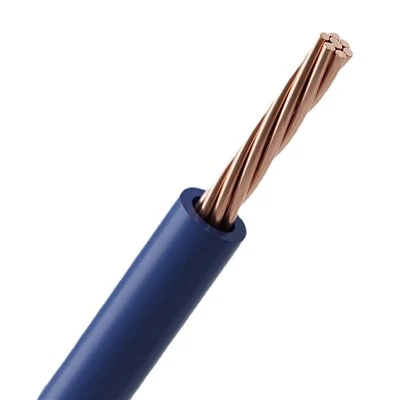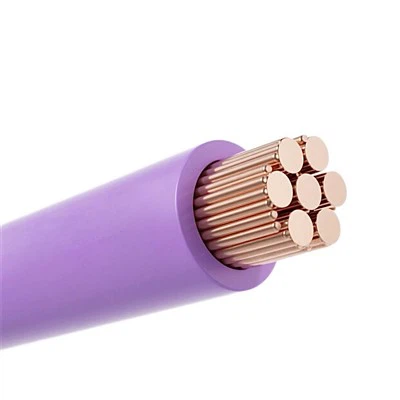

As a PVC wire supplier, I often encounter questions from customers regarding the fire-resistant properties of PVC wire. This topic is of utmost importance as it directly relates to the safety and reliability of electrical systems. In this blog post, I will delve into the science behind PVC wire and its fire resistance, providing you with a comprehensive understanding of this critical aspect.
Understanding PVC Wire
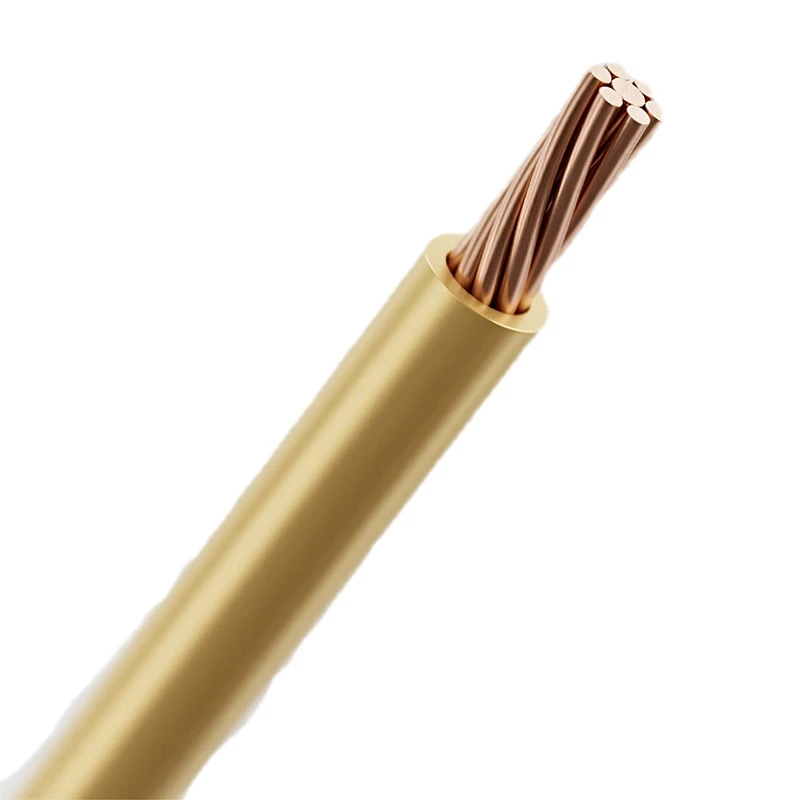
PVC, or polyvinyl chloride, is a widely used thermoplastic polymer in the wire and cable industry. It is favored for its excellent electrical insulation properties, mechanical strength, and chemical resistance. PVC wire consists of a conductor, typically made of copper or aluminum, surrounded by a PVC insulation layer. This insulation layer serves to prevent electrical current from leaking and to protect the conductor from environmental factors.
Fire Resistance of PVC Wire
The fire resistance of PVC wire is a complex topic that depends on several factors, including the formulation of the PVC compound, the thickness of the insulation layer, and the presence of fire-retardant additives. PVC itself is a combustible material, but it can be made more fire-resistant through the addition of certain chemicals.
Fire-Retardant Additives
One of the most common ways to enhance the fire resistance of PVC wire is by incorporating fire-retardant additives into the PVC compound. These additives work by either suppressing the ignition of the PVC or by reducing the rate of combustion. Some of the most widely used fire-retardant additives include antimony trioxide, aluminum hydroxide, and magnesium hydroxide.
Antimony trioxide is a highly effective fire-retardant additive that works by reacting with the PVC during combustion to form a protective char layer. This char layer acts as a barrier, preventing oxygen from reaching the PVC and reducing the rate of heat release. Aluminum hydroxide and magnesium hydroxide, on the other hand, work by releasing water vapor when heated. This water vapor dilutes the oxygen in the surrounding atmosphere, making it more difficult for the PVC to burn.
UL Standards for Fire Resistance
In the United States, the Underwriters Laboratories (UL) sets the standards for the fire resistance of electrical wires and cables. UL has developed a series of standards, such as UL1569, UL1007 Wire, and UL1015 Wire, that specify the requirements for the fire performance of PVC wire.
These standards test the wire's ability to resist ignition, spread of flame, and generation of smoke. Wires that meet these standards are marked with the UL logo, indicating that they have been tested and certified to meet the specified fire safety requirements.
Limitations of PVC Wire Fire Resistance
While PVC wire can be made fire-resistant through the use of additives and by meeting UL standards, it is important to note that it still has its limitations. In high-temperature or high-energy environments, PVC wire may still burn and release toxic gases. Additionally, the fire resistance of PVC wire can degrade over time due to factors such as aging, exposure to sunlight, and chemical contamination.

Applications and Considerations
When considering the use of PVC wire in applications where fire safety is a concern, it is important to carefully evaluate the specific requirements of the application. In some cases, such as in residential wiring or low-power electrical systems, PVC wire that meets UL standards may be sufficient. However, in more critical applications, such as in commercial buildings, industrial facilities, or transportation systems, alternative fire-resistant wiring materials may be more appropriate.
Conclusion
In conclusion, the fire resistance of PVC wire is a complex issue that depends on several factors. While PVC wire can be made more fire-resistant through the use of fire-retardant additives and by meeting UL standards, it is important to understand its limitations and to choose the appropriate wiring material based on the specific requirements of the application.
As a PVC wire supplier, I am committed to providing my customers with high-quality, fire-resistant PVC wire that meets the highest safety standards. If you have any questions or need further information about our PVC wire products, please do not hesitate to contact me. I would be more than happy to discuss your specific needs and help you find the right solution for your project.
References
- Underwriters Laboratories (UL) standards for electrical wires and cables.
- Technical literature on PVC wire and fire-retardant additives.