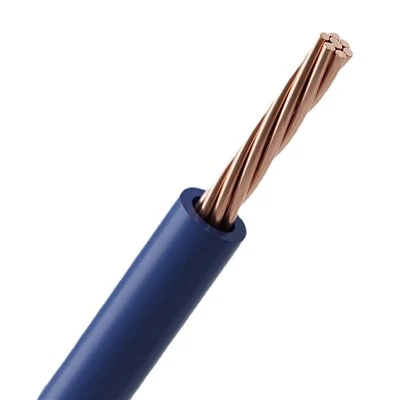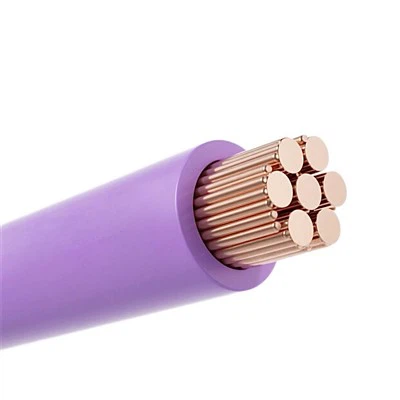

Hey there! As a supplier of American car wire, I've had my fair share of experiences working with all sorts of wires and tools. In this blog, I'm gonna share with you the essential tools you need to work with American car wire.
1. Wire Strippers
First up, wire strippers are an absolute must - have. When you're dealing with American car wire, you'll often need to expose the bare copper inside the insulation. That's where wire strippers come in. They're designed to cut through the insulation without damaging the wire strands. You can find different types of wire strippers, from basic manual ones to more advanced automatic models. Manual wire strippers are great for small - scale jobs and give you more control. But if you're working on a large project, an automatic wire stripper can save you a ton of time.
For example, if you're installing a new audio system in a car and need to connect wires, you'll use wire strippers to prepare the ends of the wires. Just insert the wire into the appropriate slot on the stripper, squeeze the handles, and voila! The insulation comes off cleanly.
2. Crimping Tools
Crimping tools are another crucial tool in your arsenal. When you want to connect two wires or attach a terminal to a wire, crimping is the way to go. A good crimping tool will create a strong, reliable connection that can withstand the vibrations and electrical currents in a car.
There are different types of crimping tools for various applications. For instance, there are crimpers for butt connectors, which are used to join two wires end - to - end. There are also crimpers for ring terminals, which are often used to connect wires to battery terminals or other electrical components.
When using a crimping tool, make sure to choose the right size of connector for your wire. Insert the wire into the connector and place it in the appropriate crimping die of the tool. Then, squeeze the handles firmly until the crimp is tight. A proper crimp will hold the wire securely and ensure good electrical conductivity.
3. Soldering Iron
While crimping is a popular method of joining wires, soldering can provide an even stronger and more permanent connection. A soldering iron is used to melt solder onto the joint between two wires or a wire and a terminal.
Before soldering, you need to clean the wire ends to remove any oxidation or dirt. Then, apply a small amount of flux to the joint. The flux helps the solder flow better and creates a stronger bond. Heat the soldering iron to the appropriate temperature, touch it to the joint, and feed the solder onto the heated area. The solder should melt and flow around the wires, creating a shiny, smooth joint.
However, soldering requires a bit more skill and practice compared to crimping. You need to be careful not to overheat the wires, as this can damage the insulation and weaken the connection.
4. Wire Cutters
Wire cutters are simple but indispensable tools. You'll use them to cut the American car wire to the right length. Whether you're installing a new wiring harness or just making a small repair, wire cutters come in handy.
There are different types of wire cutters, such as diagonal cutters and flush cutters. Diagonal cutters are great for cutting through wires at an angle, while flush cutters are used when you need a clean, flush cut close to a surface.
When using wire cutters, make sure to choose the right size for the wire you're cutting. Using a cutter that's too small can damage the cutter, while using one that's too large may not cut the wire cleanly.
5. Heat Shrink Tubing and Heat Gun
Heat shrink tubing is used to protect and insulate wire connections. After you've joined two wires or attached a terminal, you can slide a piece of heat shrink tubing over the joint and use a heat gun to shrink it.
The heat gun emits hot air that causes the tubing to shrink and conform tightly to the shape of the wire and the joint. This provides an extra layer of protection against moisture, dirt, and abrasion.
When using heat shrink tubing, make sure to choose the right size for your application. The tubing should be large enough to fit over the joint easily but small enough to shrink tightly around it. Hold the heat gun a few inches away from the tubing and move it around evenly to ensure uniform shrinking.
Types of American Car Wire
Now, let's talk a bit about the different types of American car wire.
TXL Automotive Wire
TXL Automotive Wire is a popular choice for automotive applications. It has a thin wall of insulation, which makes it lightweight and flexible. This wire is often used in areas where space is limited, such as in door panels or behind dashboards. You can learn more about TXL Automotive Wire here.
SXL Wire
SXL Wire has a thicker insulation than TXL wire, which gives it better protection against abrasion and heat. It's commonly used in engine compartments and other areas where the wire may be exposed to high temperatures and rough conditions. Check out more details about SXL Wire here.
GXL Wire
GXL Wire is another option. It has a medium - thickness insulation and offers a good balance between flexibility and durability. It's suitable for a wide range of automotive applications, from lighting systems to power distribution. You can find more information about GXL Wire here.
6. Multimeter
A multimeter is a versatile tool that can measure voltage, current, and resistance. When working with American car wire, it's important to be able to test the electrical circuits to ensure everything is working properly.
For example, you can use a multimeter to check if a wire has power by measuring the voltage across it. You can also test the continuity of a wire to see if there are any breaks in the circuit.
To use a multimeter, set it to the appropriate mode (voltage, current, or resistance). Connect the probes to the appropriate points in the circuit, and read the measurement on the display.
7. Wire Loom and Clamps
Wire loom and clamps are used to organize and protect the wires in a car. Wire loom is a flexible tubing that you can wrap around a bundle of wires to keep them together and protect them from abrasion.
Clamps are used to secure the wire loom or individual wires in place. They prevent the wires from moving around and getting damaged by rubbing against other components in the car.
When installing wire loom, cut it to the appropriate length and slide it over the wires. Then, use clamps to secure it at regular intervals. This will make your wiring installation look neat and professional.
Conclusion
So, there you have it - the essential tools you need to work with American car wire. Whether you're a DIY enthusiast or a professional mechanic, having the right tools can make your job a whole lot easier and ensure a high - quality wiring installation.
If you're in the market for American car wire or have any questions about the tools and products we offer, don't hesitate to reach out. We're here to help you find the best solutions for your automotive wiring needs. Let's start a conversation and see how we can work together!


References
- Automotive Electrical Systems Manual
- Wiring Harness Installation Guides
- Tool Manufacturer's Product Manuals