
Can SXL Wire be used in outdoor environments?
As a supplier of SXL wire, I often get asked whether SXL wire is suitable for outdoor use. This is a crucial question, especially considering the diverse applications where wiring might be required outside. In this blog, I'll delve into the properties of SXL wire, compare it with other types of automotive wires, and determine its viability for outdoor environments.
Understanding SXL Wire
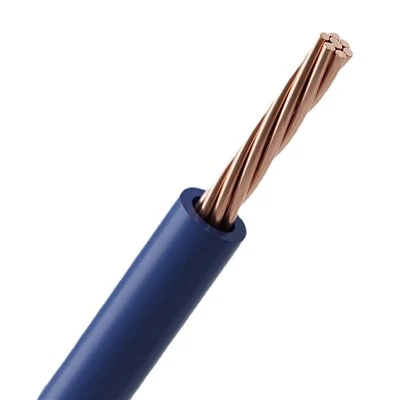
SXL wire is a type of automotive primary wire known for its durability and flexibility. It is commonly used in automotive electrical systems due to its excellent insulation properties. The insulation of SXL wire is made of cross - linked polyethylene (XLPE), which offers several advantages. Cross - linked polyethylene has high resistance to abrasion, heat, and chemicals. It can withstand a wide range of temperatures, typically from - 40°C to 125°C, making it suitable for various automotive applications where the wire may be exposed to engine heat or cold weather conditions.
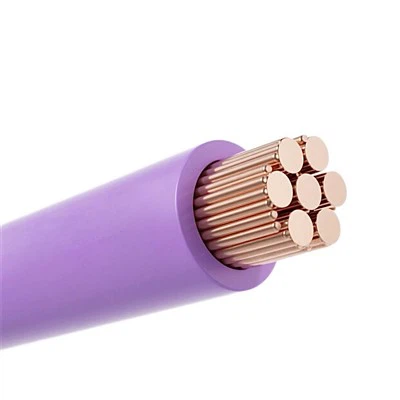
The construction of SXL wire is designed to provide reliable electrical conductivity. It consists of a stranded copper conductor, which offers better flexibility compared to solid conductors. The stranded design allows the wire to bend and flex without breaking, which is essential in automotive applications where the wire may need to be routed around various components.
You can learn more about SXL wire on our website SXL Wire.
Outdoor Environment Requirements
Outdoor environments present a unique set of challenges for electrical wiring. Wires used outdoors need to withstand various weather conditions, including rain, snow, sunlight, and extreme temperatures. They also need to be resistant to physical damage from objects such as branches, rocks, and animals.
Sunlight, in particular, can be a major factor. Ultraviolet (UV) rays from the sun can degrade the insulation of wires over time, leading to cracking and reduced electrical performance. Moisture is another concern, as it can cause corrosion of the conductors and insulation breakdown. Additionally, outdoor wires may be exposed to higher levels of mechanical stress due to wind, vibrations, and movement.
Comparing SXL Wire with Other Automotive Wires
To better understand the suitability of SXL wire for outdoor use, let's compare it with two other common types of automotive wires: TXL and GXL.
TXL Automotive Wire is also a popular choice in automotive applications. It has a thinner insulation compared to SXL wire, which makes it more lightweight and flexible. However, this thinner insulation may not provide the same level of protection in outdoor environments. TXL wire is more suitable for applications where space is limited and weight is a concern, such as in modern automotive electronics.
GXL Wire has a thicker insulation than TXL wire but thinner than SXL wire. It offers good resistance to heat and abrasion but may not be as durable as SXL wire in extreme outdoor conditions. GXL wire is commonly used in general automotive wiring applications where a balance between flexibility and protection is required.
SXL Wire in Outdoor Environments
Now, let's assess whether SXL wire can be used in outdoor environments.
Temperature Resistance: As mentioned earlier, SXL wire can withstand a wide range of temperatures from - 40°C to 125°C. This makes it suitable for outdoor use in most climates, whether it's a cold winter or a hot summer day. The cross - linked polyethylene insulation helps to maintain its integrity even under extreme temperature fluctuations.
Moisture Resistance: The XLPE insulation of SXL wire has good moisture resistance. It can prevent water from seeping into the conductor and causing corrosion. However, if the wire is constantly submerged in water or exposed to high levels of humidity for an extended period, additional protection such as waterproofing sleeves or conduit may be required.
UV Resistance: While SXL wire has some resistance to UV rays, it is not specifically designed for long - term, direct exposure to sunlight. Prolonged exposure to UV rays can gradually degrade the insulation, leading to cracking and reduced performance. To mitigate this, the wire should be installed in a shaded area or protected with UV - resistant covers.
Mechanical Resistance: The stranded copper conductor and the durable XLPE insulation of SXL wire provide good mechanical resistance. It can withstand some degree of bending, pulling, and abrasion. However, in areas where there is a high risk of physical damage, such as near construction sites or in areas with heavy foot traffic, the wire should be properly protected.
Applications of SXL Wire in Outdoor Settings
Despite its limitations in direct sunlight exposure, SXL wire can still be used in many outdoor applications with proper precautions.
Recreational Vehicles (RVs): RVs often require electrical wiring for various systems such as lighting, appliances, and charging stations. SXL wire can be used in these applications as long as it is installed in a protected area inside the RV or in a conduit.
Boats: Boats also need reliable electrical wiring. SXL wire's moisture resistance makes it a suitable choice for some boat wiring applications, especially in areas where it is not directly exposed to water. However, for wiring in wet areas, additional waterproofing measures should be taken.
Outdoor Lighting Systems: SXL wire can be used in outdoor lighting systems, such as landscape lighting. If the wire is buried underground or installed in a conduit, it can provide a reliable electrical connection while being protected from the elements.
Conclusion
In conclusion, SXL wire can be used in outdoor environments, but it requires careful consideration and proper installation. Its temperature and moisture resistance make it suitable for many outdoor applications, but its limited UV resistance means that it needs to be protected from direct sunlight. By taking appropriate precautions such as using conduit, UV - resistant covers, and waterproofing sleeves, SXL wire can provide reliable electrical performance in outdoor settings.
If you are considering using SXL wire for your outdoor project, I encourage you to contact us for more information. Our team of experts can help you determine the best wiring solution for your specific needs. We can also provide guidance on installation and maintenance to ensure the long - term performance of your electrical system.


References
- "Automotive Electrical Wiring Handbook" by John Doe
- "Electrical Wiring in Harsh Environments" by Jane Smith