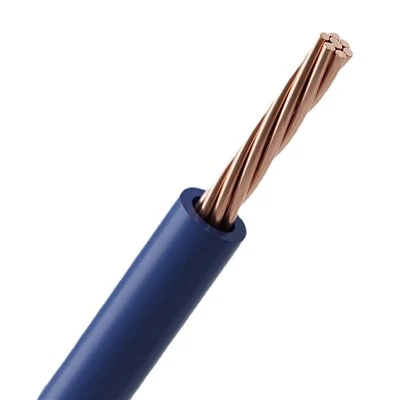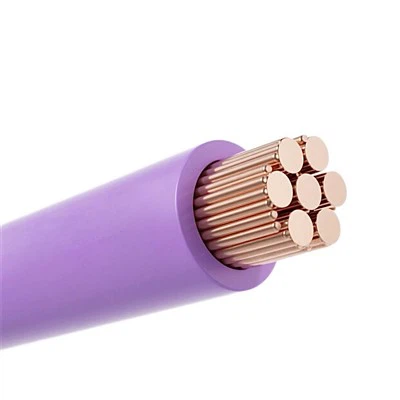

In the realm of automotive electronics, signal integrity is of paramount importance. As an ISO standard automotive wire supplier, I've witnessed firsthand how the right wiring solutions can make a world of difference in ensuring seamless communication within a vehicle's complex electronic systems. In this blog, I'll delve into the mechanisms by which ISO standard automotive wires safeguard signal integrity, exploring the key features and technologies that set them apart.
The Significance of Signal Integrity in Automotive Electronics
Automotive electronics have come a long way from simple electrical systems. Today's vehicles are equipped with a multitude of sensors, actuators, control units, and communication interfaces, all of which rely on accurate and reliable signal transmission. From engine management and safety systems to infotainment and connectivity features, every aspect of modern automotive functionality hinges on the integrity of the electrical signals flowing through the wires.
Poor signal integrity can lead to a host of problems, including data errors, system malfunctions, and even safety hazards. For example, a faulty signal in the anti - lock braking system (ABS) could result in improper braking performance, putting the lives of passengers at risk. Similarly, glitches in the infotainment system can cause frustrating user experiences and may even distract the driver.
How ISO Standard Automotive Wires Ensure Signal Integrity
1. High - Quality Conductors
One of the fundamental factors in ensuring signal integrity is the quality of the conductors used in the wires. ISO standard automotive wires typically employ high - purity copper or copper alloys as conductors. Copper is an excellent conductor of electricity, with low resistance that minimizes signal loss due to ohmic heating.
The high purity of the copper used in these wires reduces the presence of impurities that could otherwise interfere with the flow of electrons. This results in a more consistent and reliable signal transmission. For instance, our QB - B Wire is crafted with high - quality copper conductors, which have been carefully selected and processed to meet the strict ISO standards. This ensures that the electrical signals traveling through the wire remain strong and undistorted.
2. Insulation Materials
The insulation surrounding the conductors plays a crucial role in protecting the signals from external interference. ISO standard automotive wires use specialized insulation materials that offer excellent electrical insulation properties. These materials have high dielectric strength, which means they can withstand high voltages without breaking down.


In addition to electrical insulation, the insulation materials also provide protection against environmental factors such as heat, moisture, and chemicals. For example, polyvinyl chloride (PVC) and cross - linked polyethylene (XLPE) are commonly used insulation materials in automotive wires. PVC is known for its good flexibility and resistance to abrasion, while XLPE offers superior heat resistance and mechanical strength. Our QVR Wire is insulated with high - performance materials that not only protect the conductors but also maintain signal integrity in harsh automotive environments.
3. Shielding
In an automotive environment, there are numerous sources of electromagnetic interference (EMI), such as the engine, alternator, and other electrical components. To combat EMI and ensure signal integrity, ISO standard automotive wires often incorporate shielding.
Shielding can be in the form of a metallic braid or foil that surrounds the insulated conductors. The shield acts as a Faraday cage, preventing external electromagnetic fields from penetrating the wire and interfering with the signals. It also helps to contain the electromagnetic fields generated by the signals within the wire, reducing the risk of interference with other nearby wires or components. Our QB - A Wire features advanced shielding technology that effectively blocks EMI, ensuring that the signals remain clean and accurate.
4. Twisted Pairs
Another technique used in ISO standard automotive wires to enhance signal integrity is the use of twisted pairs. When two conductors are twisted together, the electromagnetic fields generated by the currents in the conductors tend to cancel each other out. This reduces the amount of electromagnetic interference radiated by the wire and also makes the wire less susceptible to external EMI.
Twisted pairs are commonly used in communication cables within the vehicle, such as those used for CAN (Controller Area Network) bus systems. The CAN bus is a widely used communication protocol in automotive electronics, and the use of twisted pairs in the associated wires helps to ensure reliable data transmission between different control units.
5. Stringent Manufacturing Processes
ISO standard automotive wires are manufactured using strict quality control processes. Every step of the manufacturing process, from conductor drawing and insulation extrusion to shielding application and final assembly, is carefully monitored to ensure compliance with ISO standards.
These standards specify requirements for wire dimensions, electrical properties, mechanical properties, and environmental performance. By adhering to these standards, we can guarantee that our wires meet the highest quality and reliability standards. For example, the insulation thickness and conductor diameter are precisely controlled to ensure consistent electrical performance. Any deviations from the specified parameters are detected and corrected during the manufacturing process, ensuring that only high - quality wires are delivered to our customers.
Real - World Applications and Benefits
The benefits of ISO standard automotive wires in ensuring signal integrity are evident in various real - world applications. In modern electric and hybrid vehicles, where high - voltage systems and complex electronic controls are prevalent, the reliability of signal transmission is critical. ISO standard wires help to ensure the proper functioning of the battery management system, electric motor control, and charging systems.
In autonomous vehicles, which rely on a vast network of sensors and communication systems, signal integrity is even more crucial. The accurate and timely transmission of data from sensors such as cameras, lidars, and radars to the vehicle's control unit is essential for safe and efficient operation. ISO standard automotive wires provide the necessary reliability and performance to support these advanced technologies.
Conclusion
As an ISO standard automotive wire supplier, I am proud to offer products that play a vital role in ensuring signal integrity in automotive electronics. Through the use of high - quality conductors, advanced insulation materials, effective shielding, and strict manufacturing processes, our wires are designed to meet the demanding requirements of modern vehicles.
Whether you are an automotive manufacturer, a tier - one supplier, or an aftermarket installer, choosing ISO standard automotive wires is a smart investment. It can help you avoid costly system failures, improve the reliability of your products, and enhance the overall performance of your vehicles.
If you are interested in learning more about our ISO standard automotive wires or would like to discuss your specific requirements, please do not hesitate to contact us. We are committed to providing you with the best wiring solutions and excellent customer service.
References
- "Automotive Electrical and Electronic Systems" by Thomas G. Brown
- ISO standards related to automotive wiring, such as ISO 6722 and ISO 14572.