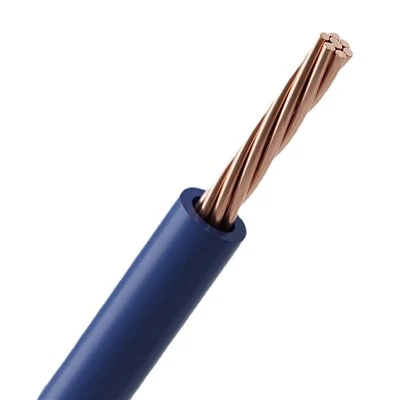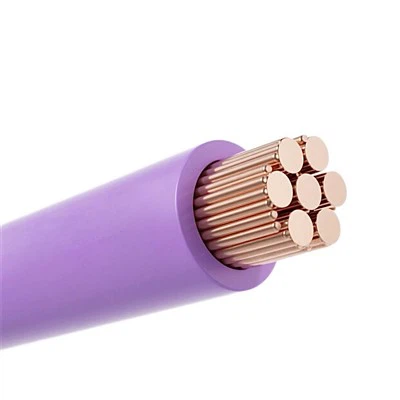

As a supplier of FLRY - B Wire, I am often asked about its aging resistance. In this blog post, I will delve into the details of what the aging resistance of FLRY - B Wire entails, exploring the factors that affect it, its significance, and how it compares to other similar wires in the market.
Understanding Aging Resistance
Aging resistance refers to the ability of a material to maintain its performance and properties over time when exposed to various environmental factors. For FLRY - B Wire, which is commonly used in automotive and other electrical applications, aging resistance is crucial. The wire is often subjected to a wide range of conditions, including temperature fluctuations, moisture, chemical exposure, and mechanical stress. Over time, these factors can cause the wire's insulation and conductor materials to degrade, leading to reduced performance, increased electrical resistance, and eventually, potential safety hazards.
Factors Affecting the Aging Resistance of FLRY - B Wire
Temperature
Temperature is one of the most significant factors affecting the aging of FLRY - B Wire. High temperatures can accelerate the chemical reactions within the wire's insulation material, causing it to break down more quickly. This can lead to a decrease in the insulation's dielectric strength, which is essential for preventing electrical shorts. On the other hand, low temperatures can make the insulation material more brittle, increasing the risk of cracking and damage.
Moisture
Moisture can also have a detrimental effect on the aging resistance of FLRY - B Wire. Water can penetrate the insulation material and cause corrosion of the conductor. Corrosion increases the electrical resistance of the wire, which can lead to overheating and potential fire hazards. Additionally, moisture can cause the insulation material to swell, which can further degrade its performance.
Chemical Exposure
FLRY - B Wire may be exposed to various chemicals in its operating environment. These chemicals can react with the insulation material, causing it to deteriorate. For example, solvents, oils, and acids can dissolve or weaken the insulation, reducing its ability to protect the conductor.
Mechanical Stress
Mechanical stress, such as bending, twisting, and vibration, can also contribute to the aging of FLRY - B Wire. These forces can cause the insulation to crack or separate from the conductor, exposing the wire and increasing the risk of electrical problems.
The Significance of Aging Resistance in FLRY - B Wire
The aging resistance of FLRY - B Wire is of utmost importance for several reasons. In automotive applications, the reliability of electrical systems is crucial for the safety and performance of the vehicle. A wire with poor aging resistance may fail prematurely, leading to malfunctions in critical systems such as the engine control unit, lighting, and safety features.
In industrial applications, FLRY - B Wire is often used in environments where downtime can be costly. A wire that ages quickly may require frequent replacement, which can disrupt operations and increase maintenance costs.
Testing and Standards for Aging Resistance
To ensure the aging resistance of FLRY - B Wire, manufacturers subject the wire to a series of tests. These tests simulate the conditions that the wire may encounter in its intended application. For example, the wire may be exposed to high temperatures for an extended period to evaluate its thermal aging properties. Moisture resistance tests may involve immersing the wire in water or subjecting it to high humidity conditions.
There are also international and industry standards that govern the aging resistance of electrical wires. These standards specify the minimum requirements for performance and durability, ensuring that the wire meets the necessary safety and quality criteria.
Comparison with Other Similar Wires
When comparing FLRY - B Wire with other similar wires in the market, its aging resistance is a key differentiator. For example, FLRY-A German Standard Automotive Wire is another type of automotive wire. While both wires are designed to meet high - quality standards, FLRY - B Wire may have better aging resistance in certain environments.
FL9Y-B Car Wire and FLR9Y-B German standard automotive wire also serve similar applications. However, the specific formulation of FLRY - B Wire's insulation and conductor materials gives it an edge in terms of long - term performance and aging resistance.


Our Commitment as a Supplier
As a supplier of FLRY - B Wire, we are committed to providing our customers with high - quality products that offer excellent aging resistance. We use only the best materials in the manufacturing process and adhere to strict quality control measures. Our production facilities are equipped with state - of - the - art technology to ensure that every wire meets or exceeds industry standards.
We also conduct extensive research and development to continuously improve the aging resistance of our FLRY - B Wire. By staying at the forefront of technological advancements, we can offer our customers wires that are more reliable and durable, even in the most challenging environments.
Contact Us for Procurement
If you are in the market for high - quality FLRY - B Wire with excellent aging resistance, we invite you to contact us. Our team of experts is ready to assist you with your procurement needs. We can provide you with detailed product information, samples, and competitive pricing. Whether you are an automotive manufacturer, an industrial contractor, or a distributor, we have the solutions to meet your requirements.
References
- "Electrical Wiring Handbook" - McGraw - Hill
- "Automotive Electrical Systems: Principles and Diagnosis" - Pearson Education
- Industry standards related to electrical wire aging resistance, such as ISO and DIN standards.