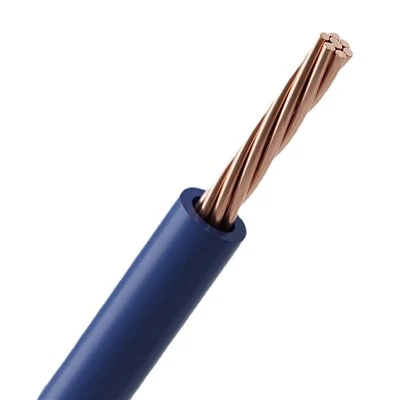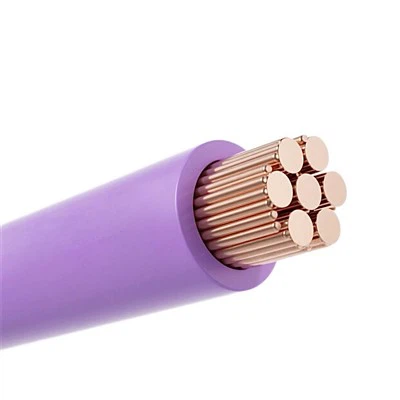

As a supplier of GXL Wire, ensuring the integrity of our products is of utmost importance. GXL wire is widely used in automotive applications due to its excellent electrical conductivity, heat resistance, and flexibility. In this blog post, I will share some effective methods to test the integrity of GXL Wire, which can help you make informed decisions when purchasing and using our products.
Visual Inspection
The first step in testing the integrity of GXL Wire is a thorough visual inspection. This simple yet crucial process can reveal a lot about the wire's condition. Start by examining the outer insulation of the wire. Look for any signs of damage such as cuts, abrasions, cracks, or burns. These defects can compromise the wire's insulation properties and lead to electrical shorts or other issues.
Check the color of the insulation as well. GXL wire typically has a specific color code for different applications. If the color appears faded, discolored, or inconsistent, it could indicate exposure to excessive heat, chemicals, or other environmental factors that may have affected the wire's integrity.
Inspect the wire connectors and terminals. Make sure they are securely attached to the wire and free from corrosion, rust, or loose connections. Loose or corroded connectors can cause poor electrical contact, leading to voltage drops and potential malfunctions in the electrical system.
Continuity Testing
Continuity testing is a fundamental method to check if the GXL wire is conducting electricity properly. To perform a continuity test, you will need a multimeter. Set the multimeter to the continuity or resistance mode.
First, disconnect the wire from any power source to avoid electrical shock. Then, touch the two probes of the multimeter to the two ends of the wire. If the multimeter beeps or shows a very low resistance value (close to zero), it indicates that the wire has continuity, meaning that electricity can flow through it without interruption.
If the multimeter shows an open circuit (no beep or a very high resistance value), it means there is a break in the wire. This could be due to a cut, a damaged section, or a loose connection. In such cases, you need to locate and repair the break to restore the wire's integrity.
Insulation Resistance Testing
Insulation resistance testing is used to measure the resistance of the wire's insulation to the flow of electric current. A high insulation resistance value indicates that the insulation is in good condition and can effectively prevent electrical leakage.


To perform an insulation resistance test, you will need an insulation resistance tester, also known as a megohmmeter. Set the megohmmeter to the appropriate voltage range (usually 500V or 1000V for automotive applications).
Again, disconnect the wire from any power source and make sure it is clean and dry. Connect the test leads of the megohmmeter to the wire and a ground reference point. The ground reference point can be the vehicle's chassis or a reliable earth ground.
Apply the test voltage for a specified period (usually 60 seconds) and record the insulation resistance value displayed on the megohmmeter. Compare the measured value with the manufacturer's specifications. If the measured value is lower than the specified value, it indicates that the insulation may be damaged or contaminated, and the wire may need to be replaced.
Voltage Drop Testing
Voltage drop testing is used to determine if there is a significant loss of voltage along the GXL wire when current is flowing through it. A high voltage drop can cause electrical components to operate inefficiently or not at all.
To perform a voltage drop test, you will need a voltmeter. First, connect the electrical system to a power source and turn on the device or circuit that uses the GXL wire.
Then, measure the voltage at the power source and at the load end of the wire. The difference between these two voltage values is the voltage drop across the wire. According to industry standards, the voltage drop across a wire should be less than 0.5V for a 12V system.
If the voltage drop is higher than the acceptable limit, it could be due to a high resistance in the wire, such as a damaged section, a loose connection, or a corroded terminal. You need to locate and fix the source of the high resistance to reduce the voltage drop and ensure proper operation of the electrical system.
Temperature Testing
GXL wire is designed to withstand high temperatures, but excessive heat can still affect its integrity over time. Temperature testing can help you determine if the wire is operating within its safe temperature range.
You can use an infrared thermometer or a temperature probe to measure the temperature of the wire. Measure the temperature at different points along the wire, especially near areas where the wire is exposed to heat sources, such as the engine compartment or near electrical components that generate heat.
Compare the measured temperature with the manufacturer's specifications for the maximum operating temperature of the GXL wire. If the temperature exceeds the specified limit, it could cause the insulation to degrade, leading to reduced insulation resistance and potential electrical problems. In such cases, you may need to take measures to reduce the heat exposure, such as adding heat shields or relocating the wire.
Chemical and Environmental Testing
GXL wire may be exposed to various chemicals and environmental conditions in automotive applications, such as oil, fuel, water, and salt. These substances can damage the wire's insulation and affect its performance.
To test the wire's resistance to chemicals and environmental factors, you can perform immersion tests or exposure tests. For immersion tests, cut a small sample of the wire and immerse it in the relevant chemical for a specified period. After the immersion, remove the sample, dry it, and perform visual inspection and electrical tests to check for any signs of damage.
For exposure tests, expose the wire to the environmental conditions, such as high humidity, salt spray, or extreme temperatures, for a certain period. Then, evaluate the wire's condition using the methods described above.
By conducting these tests, you can ensure that the GXL wire can withstand the harsh chemical and environmental conditions in automotive applications and maintain its integrity over time.
In conclusion, testing the integrity of GXL Wire is essential to ensure its reliable performance in automotive electrical systems. By using a combination of visual inspection, continuity testing, insulation resistance testing, voltage drop testing, temperature testing, and chemical and environmental testing, you can identify and address any potential issues before they cause serious problems.
If you are interested in purchasing high-quality GXL Wire or have any questions about our products, please feel free to contact us for further information and to discuss your specific requirements. We are committed to providing you with the best products and services to meet your needs.
References
- Automotive Electrical and Electronic Systems, Third Edition, by William H. Crouse and Donald L. Anglin
- Electrical Wiring Handbook, by Mike Holt
GXL Automotive Wire
SXL Automotive Primary Wire
GPT Automotive Primary Wire