
Can SXL Wire be used in railway applications?
Hey there! I'm a supplier of SXL Wire, and I often get asked if this type of wire can be used in railway applications. Well, let's dive into it and find out.
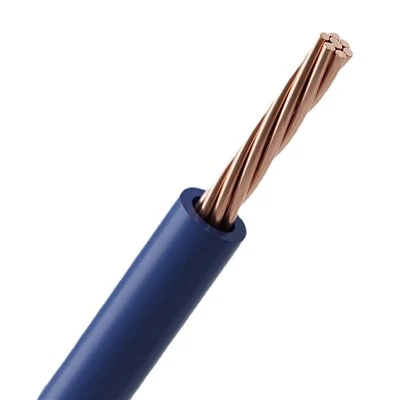
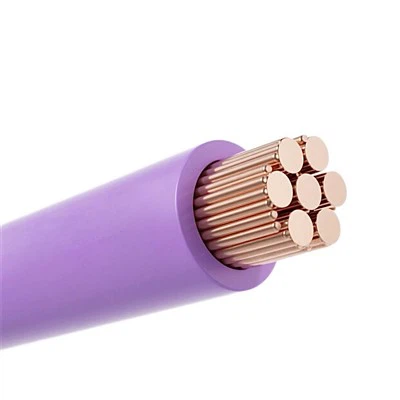
First off, let's talk a bit about what SXL Wire is. SXL stands for Super High Temperature Cross-Linked wire. It's a type of automotive primary wire, and you can check out more details about it here: SXL Automotive Primary Wire. This wire is known for its high temperature resistance and durability, which are some pretty important factors when considering its use in any application.
Now, when it comes to railway applications, there are a bunch of requirements that the wire has to meet. Railways are complex systems that involve a lot of electrical components, from signaling systems to lighting and communication devices. The wire used in these systems needs to be able to handle various environmental conditions, such as extreme temperatures, vibrations, and exposure to chemicals.
One of the key advantages of SXL Wire is its high temperature rating. It can typically withstand temperatures up to 125°C or even higher in some cases. In railway applications, there can be areas where the temperature can get quite high, especially near engines or in electrical cabinets. The ability of SXL Wire to handle these high temperatures means it's less likely to degrade or fail due to heat, which is a big plus.
Another important factor is the wire's resistance to abrasion and mechanical stress. Railways are constantly in motion, and the wires are subject to vibrations and movements. SXL Wire has a tough outer insulation that can resist abrasion, reducing the risk of the wire getting damaged over time. This is crucial for ensuring the long - term reliability of the electrical systems in trains and railway infrastructure.
However, it's not all smooth sailing. Railway applications also have some very strict safety and regulatory requirements. There are standards set by various international and national bodies that govern the use of electrical wiring in railways. These standards cover aspects such as fire resistance, flame spread, and smoke emission. While SXL Wire is generally a good performer, it may need to be tested and certified to meet these specific railway standards.
For example, in some cases, the wire may need to have a certain level of fire retardancy to prevent the spread of fire in case of an electrical fault. SXL Wire may have to be treated or modified to meet these fire - safety requirements. This might involve adding special coatings or using different insulation materials.
Let's also compare SXL Wire with other types of wires commonly used in the automotive and electrical industries. There's the GPT Automotive Primary Wire. GPT wire is also a popular choice in automotive applications, but it generally has a lower temperature rating compared to SXL Wire. In railway applications where high temperatures are a concern, SXL Wire would be a better option.
Then there's the American Standard HDT Automotive Wire. HDT wire is designed for heavy - duty applications and has good heat resistance. But again, when it comes to the specific requirements of railway applications, SXL Wire's unique properties, such as its cross - linked insulation, may give it an edge in terms of long - term performance and reliability.
In addition to the technical aspects, cost is also a consideration. SXL Wire may be more expensive than some other types of wires. But when you think about the long - term savings in terms of reduced maintenance and replacement costs, it could be a worthwhile investment for railway operators. After all, a reliable electrical system is essential for the safe and efficient operation of railways.
So, can SXL Wire be used in railway applications? The answer is yes, but with some caveats. It has the potential to meet many of the requirements of railway electrical systems, especially in terms of temperature resistance and mechanical durability. However, it needs to be properly tested and certified to meet the strict safety and regulatory standards of the railway industry.
If you're in the railway business and you're considering using SXL Wire for your electrical systems, I'd be more than happy to have a chat with you. We can discuss your specific requirements, and I can provide you with samples for testing. We can work together to ensure that the SXL Wire we supply meets all the necessary standards and performs well in your railway applications. Whether it's for a new railway project or for upgrading an existing system, we're here to help.
In conclusion, SXL Wire is a promising option for railway applications, but it's important to do your due diligence and make sure it's the right fit for your specific needs. If you have any questions or want to start a discussion about potential procurement, don't hesitate to reach out.
References


- Industry standards for railway electrical wiring
- Technical specifications of SXL, GPT, and HDT wires
- Research on the performance of electrical wires in high - temperature and vibration - prone environments