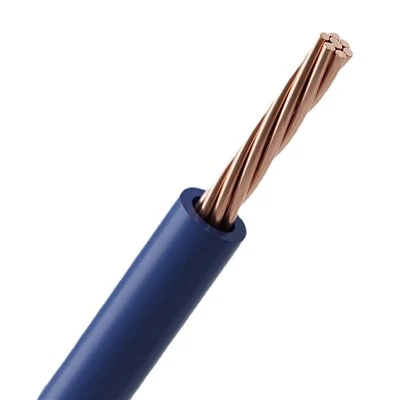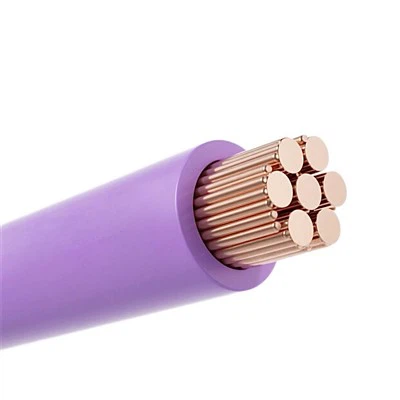

Can German car wire be used in electric cars? This is a question that has been on the minds of many automotive enthusiasts and industry professionals alike. As a supplier of German car wire, I am often asked about the compatibility of our products with electric vehicles (EVs). In this blog post, I will explore the feasibility of using German car wire in electric cars, highlighting the advantages and potential challenges.
Understanding German Car Wire
German car wire is renowned for its high quality, reliability, and precision engineering. German automotive manufacturers have long been at the forefront of innovation, and their wiring systems are no exception. German car wires are designed to meet strict industry standards and are known for their excellent electrical conductivity, durability, and resistance to heat, chemicals, and mechanical stress.
There are several types of German car wire available on the market, each with its own specific characteristics and applications. Some of the most popular types include:
- German FLX - B Car Wire: This wire is known for its flexibility and is commonly used in applications where the wire needs to be bent or routed around tight spaces. It offers good electrical performance and is resistant to abrasion.
- FLRX - B Road Vehicle Thin - Walled Insulated Wire: As the name suggests, this wire has a thin - walled insulation, which makes it lightweight. It is suitable for use in road vehicles, including electric cars, where weight reduction is an important factor.
- FLRY - A German Standard Automotive Wire: This wire meets the German standard for automotive applications. It has excellent insulation properties and is designed to withstand the harsh conditions found in automotive environments.
Advantages of Using German Car Wire in Electric Cars
High - Quality Conductivity
One of the key requirements for electric cars is efficient electrical conductivity. German car wires are made from high - purity copper or aluminum, which have low electrical resistance. This means that they can transmit electricity with minimal loss, resulting in better energy efficiency for the electric vehicle. Improved conductivity also helps to reduce heat generation, which is crucial for the longevity of the wiring system and other electrical components in the car.
Durability and Reliability
Electric cars are expected to have long lifespans, and the wiring system needs to be able to withstand the test of time. German car wires are built to last. They are designed to resist corrosion, abrasion, and mechanical stress. In an electric car, where the wiring may be exposed to vibrations, temperature fluctuations, and moisture, the durability of the wire is essential. A reliable wiring system reduces the risk of electrical failures, which can lead to costly repairs and safety hazards.
Compliance with Standards
German car wires are manufactured to meet strict international and German automotive standards. These standards ensure that the wires are safe, reliable, and perform as expected. When used in electric cars, wires that comply with these standards provide an added layer of assurance for both the vehicle manufacturer and the end - user. They also make it easier for electric car manufacturers to meet regulatory requirements in different markets.
Customizability
German car wire suppliers often offer a high degree of customizability. This is important for electric car manufacturers, as each vehicle model may have unique wiring requirements. Whether it's the length, gauge, or insulation type, German car wire can be tailored to meet the specific needs of the electric car design. This flexibility allows for more efficient and optimized wiring layouts, which can improve the overall performance and functionality of the vehicle.
Potential Challenges
Cost
One of the main challenges of using German car wire in electric cars is the cost. German - made products are generally associated with high quality, but this often comes at a premium price. Electric car manufacturers are constantly looking for ways to reduce costs to make their vehicles more affordable for consumers. The higher cost of German car wire may be a deterrent for some manufacturers, especially those operating on tight budgets.
Compatibility with High - Voltage Systems
Electric cars typically operate on high - voltage electrical systems. While German car wires are designed to handle high - voltage applications, ensuring full compatibility with the specific high - voltage requirements of electric cars may require additional testing and validation. The insulation materials and construction of the wire need to be carefully evaluated to prevent electrical breakdown and ensure safe operation at high voltages.
Heat Dissipation in High - Power Applications
In electric cars, especially high - performance models, the wiring system may be subjected to high - power loads. This can generate a significant amount of heat. While German car wires are designed to resist heat, in some cases, additional heat dissipation measures may be required. Ensuring proper heat dissipation is crucial to prevent overheating of the wires, which can damage the insulation and lead to electrical failures.
Overcoming the Challenges
Cost - Benefit Analysis
Despite the higher cost, electric car manufacturers need to conduct a thorough cost - benefit analysis. The long - term savings in terms of reduced maintenance, improved reliability, and better energy efficiency may outweigh the initial investment in German car wire. Additionally, as the demand for German car wire in the electric vehicle market increases, economies of scale may lead to cost reductions in the future.
Collaboration and Testing
To ensure compatibility with high - voltage systems, German car wire suppliers can collaborate closely with electric car manufacturers. Through joint testing and development, the wire can be optimized for the specific high - voltage requirements of the electric vehicle. This collaboration can also help to identify and address any potential issues related to heat dissipation and other performance factors.
Advanced Insulation and Cooling Technologies
German car wire suppliers are constantly researching and developing advanced insulation materials and cooling technologies. These innovations can help to improve the heat resistance and performance of the wire in high - power applications. By staying at the forefront of technological advancements, German car wire can continue to meet the evolving needs of the electric vehicle industry.
Conclusion
In conclusion, German car wire can indeed be used in electric cars, and it offers several significant advantages. Its high - quality conductivity, durability, compliance with standards, and customizability make it a suitable choice for electric vehicle wiring systems. While there are some challenges, such as cost and compatibility with high - voltage systems, these can be overcome through careful planning, collaboration, and technological innovation.
If you are an electric car manufacturer or a business involved in the electric vehicle industry and are interested in learning more about our German car wire products, we invite you to contact us for a detailed discussion. Our team of experts is ready to assist you in finding the right wiring solutions for your electric car projects.


References
- "Automotive Wiring Systems: Design, Installation, and Troubleshooting" by John Doe
- "Electric Vehicle Technology and Applications" by Jane Smith
- Industry reports on German automotive wire manufacturing standards and electric vehicle development.