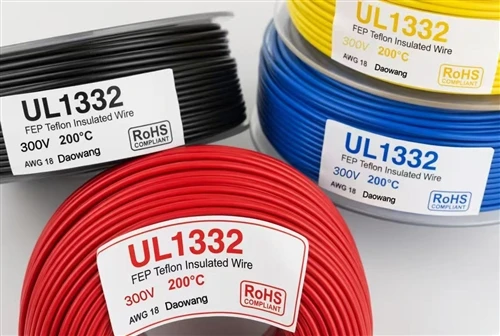
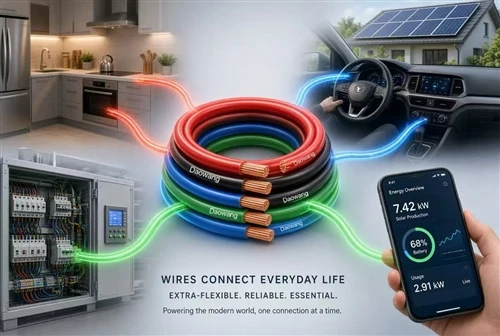
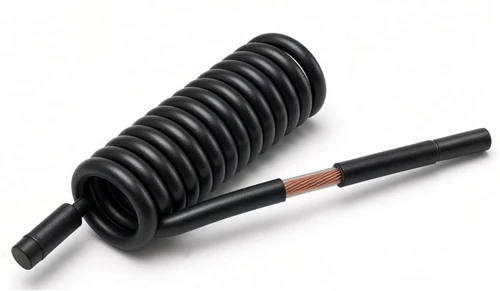
We rarely pause to ponder the quiet electrical wires within our everyday appliances. We anticipate the 'ding' of the microwave as it warms our meals, inhale the aroma of fresh bread baking in the oven, relish the tender, fluffy rice from a rice cooker, or switch on an electric heater to stave off the cold. Standard PVC insulated wires tend to age, harden or even crack when exposed to high temperatures, but UL1332 wires are built to perform reliably in environments as hot as 200°C. These FEP insulated hook-up wires are UL certified for use in internal wiring in electrical appliances. The wires have a voltage rating of 300V and generally have an operating temperature range of -60°C to +200°C.
What is UL1332 Wire?
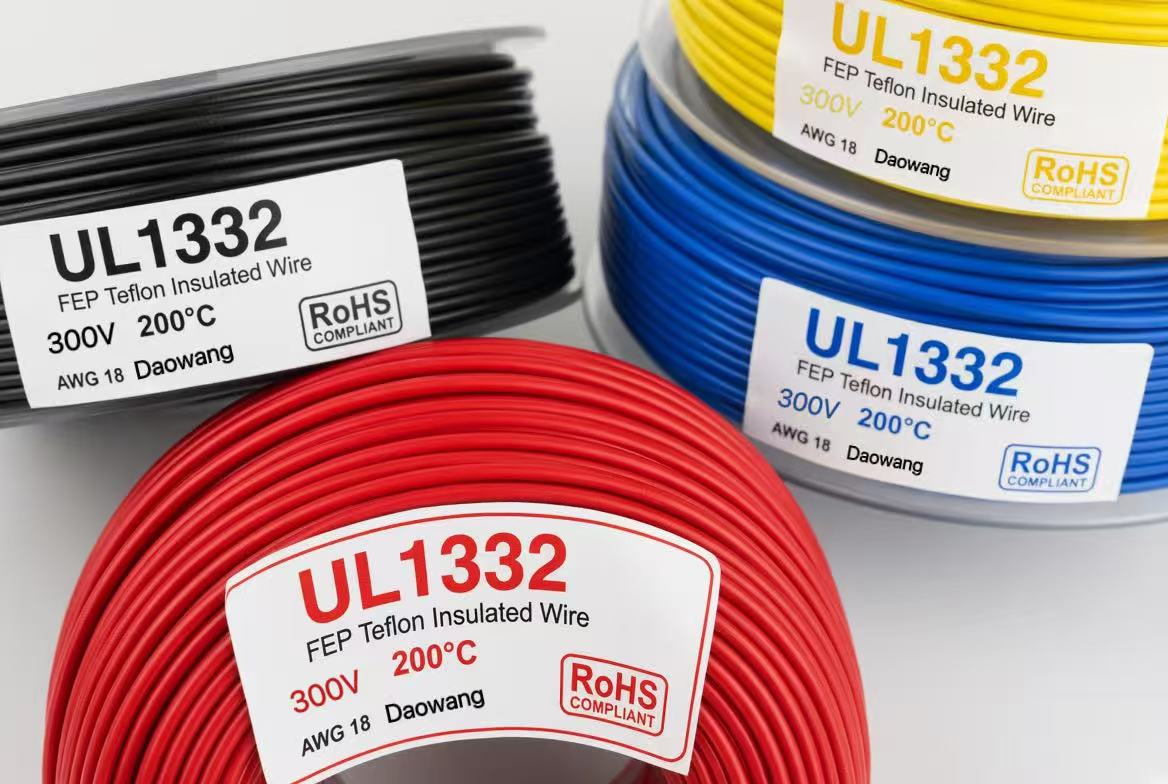
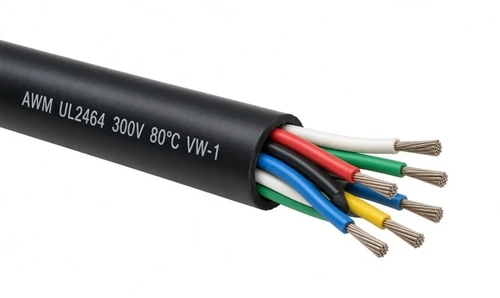
UL 1332 is a standard of the UL AWM (Appliance Wiring Material) series of standards and is established in accordance with UL 758. It has a copper conductor, tinned (or nickel/silver plated), covered with a thin-walled, extruded FEP insulation layer (with a minimum average thickness of about 0.33 mm). This wire has excellent resistance to high temperatures, chemicals, flame retardancy and electrical insulation properties. Some grades are oil and gasoline resistant. Wire passes horizontal flame tests. Some grades pass VW-1 vertical flame test. It comes in a variety of colors ( black, red, yellow, blue, white, green, brown etc. ) so it makes it easy to identify when wiring. Conductors are normally stranded to provide a compromise between flexibility and electrical conductivity.
Key Advantages: Why is it especially well-suited for everyday use in high-temperature environments?
FEP insulation is virtually insoluble in organic solvents and has excellent resistance to oils, acids, alkalies and strong oxidizing agents when compared to standard PVC insulated wire. UL1332 Wire It has high insulation resistance, low loss of high-frequency signals, is non-hygroscopic, flame retardant and aging resistant. It will not melt or become brittle at high temperatures over time and its thin-wall design saves space making it ideal for use inside compact electrical appliances.
|
Feature |
UL1332(FEP) |
Ordinary PVC wire |
| Long-term operating temperature | Maximum 200℃ | Usually 70-105℃ |
| Chemical/oil resistance | Excellent (resistant to gasoline and oil) |
General |
| Flame retardant property | VW-1/ horizontal combustion passes through | Most require additional processing |
| Aging and Lifespan | Long, resistant to ultraviolet rays and oxidation | It tends to harden and crack at high temperatures |
| Flexibility and Installation | Good. Thin-walled and easy to wire | It is relatively soft but deteriorates at high temperatures |
|
Cost |
Higher |
Low |
These characteristics make it the preferred internal wiring material for devices such as microwave ovens and ovens, which are "heat-generating heavyweights".
Examples of application in real-life, everyday situations
1.Kitchen Appliances: Microwave Ovens, Electric Ovens, Rice Cookers, and Electric Heaters
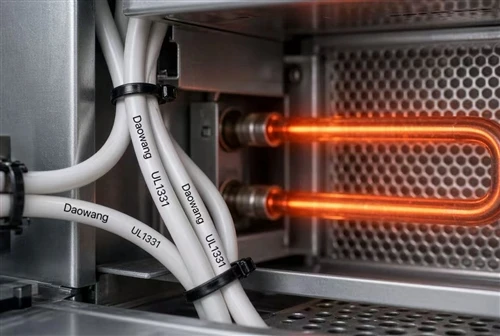
In a microwave oven, temperatures near the magnetron can easily exceed 100°C; standard wiring, by contrast, is prone to premature aging, which creates a risk of short circuits. UL1332-rated wire is frequently used for internal power and control circuitry to ensure long-term safety. It is also widely employed for wiring near the heating elements of electric ovens, the heating plates of rice cookers, and the internal components of electronic sterilizers and electric water boilers. Similarly, the high-temperature zones within electric heaters-particularly those using quartz tubes or ceramic heating elements-rely on the heat resistance of this type of wire.

2. Lighting and Fixtures
High temperatures are common near halogen lamps, certain LED stage lights, oven interior lights, high-power industrial/commercial luminaires, and automotive headlights. UL1332 wire can be used for internal connections or lead wires within these fixtures; it resists insulation yellowing and degradation, ensuring safety during long-term operation. It is also beneficial for residential ceiling lights or decorative fixtures that may suffer from poor heat dissipation.
3. Automotive and Small Electronic Devices
Places like automotive engine compartments, headlights and the area around sensors (temperature or oxygen for example) are exposed to high heat and oil. UL1332 wire is oil and heat resistant, making it well suited for internal wiring or compensation leads in these environments. It is also widely used for internal wiring of computers, printers, small appliances, especially in high temperature areas such as hair dryers, and as lead wires for temperature sensors and heating elements.
4. Other Everyday Applications
UL1332 wire is used in air conditioning units (for connections between indoor and outdoor units or within high-temperature control sections), certain small medical devices (which require resistance to disinfectants), and internal wiring for small laboratory heating instruments. It is even a popular choice among DIY enthusiasts for modifications to ovens or the heated beds of 3D printers. In the broader electronics industry, it is also utilized for high-temperature signal transmission and as a temperature compensation wire.
These applications are not limited to the industrial sector; rather, they directly serve the household appliances and modes of transport we encounter every day. By choosing wires that comply with the UL1332 standard, manufacturers demonstrate their commitment to both safety and product longevity.
Why should ordinary users also know about it?
Although consumers rarely purchase UL1332 wire directly-as it is primarily used by OEMs-being aware of its existence can be beneficial in several ways:
· It encourages consumers to look for certifications and information regarding internal components when purchasing home appliances, which can help reduce malfunctions caused by high temperatures.
· It helps those performing DIY repairs or modifications avoid the mistake of using standard, non-heat-resistant wire in areas exposed to high temperatures.
· It provides insight into why certain appliances emphasize "high-temperature resistant design" or highlight their compliance with rigorous safety certifications.Practical benefits include longer appliance life, reduced fire hazard and reliable performance in areas subject to grease, moisture or chemical cleaning agents. Moreover, FEP (fluorinated ethylene propylene) material is environmentally friendly and meets most of the RoHS and REACH regulations, which suits the green manufacturing trend nowadays.
Conclusion: The "Invisible Heroes" Quietly Safeguarding Security
UL1332 wire may be out of sight, but it is critical to the appliances that make up the fabric of our daily lives, from the hum of a microwave to the blistering heat of an oven and the comforting warmth of an electric heater. The thin-wall FEP insulation can withstand temperatures up to 200°C and is available in a variety of specifications and colors, showing how material science improves safety and convenience in our daily lives. So the next time you turn on these household appliances, you can sleep a little easier knowing that specialized wiring like UL1332 is working reliably behind the scenes. It begins with every wire, safety.