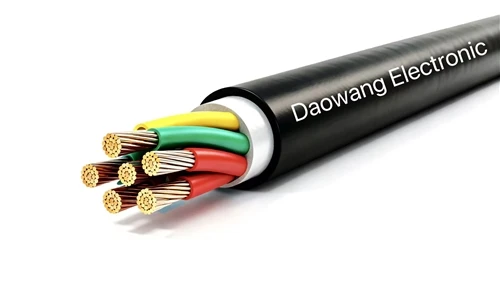
EPDM (Ethylene Propylene Diene Monomer) insulated wires are widely used in industrial, automotive, energy and home appliance industries because of their excellent heat resistance, weather resistance and electrical properties. EPDM is a kind of synthetic rubber material with saturated main chain structure, so it has good resistance to oxidation, ozone and ultraviolet rays, and can work stably in harsh environment for a long time. Now we analyze the performance and parameters of EPDM wires, especially two popular types, UL3311 and UL3279 and their actual application and key points of use. Our factory happens to produce both of these models. If you would like to learn more or purchase them, please feel free to contact us.
Unique advantages of EPDM materials
EPDM is a synthetic rubber copolymerized from ethylene, propylene, and a small amount of diene monomers. Its molecular structure has a low double bond content, thus exhibiting excellent chemical stability and environmental adaptability. Compared to natural rubber or other unsaturated rubbers, EPDM demonstrates superior performance in heat resistance, low-temperature resistance, moisture resistance, UV resistance, and chemical resistance.
-
Electrical Properties: Excellent dielectric strength and volume resistivity, suitable for medium to high voltage and low voltage applications.
-
Mechanical Properties: High flexibility, good tensile and abrasion resistance, maintaining integrity even under repeated bending.
-
Environmental Resistance: Resistant to ozone, UV radiation, acids, alkalis, and most solvents, particularly suitable for outdoor or high-humidity environments.
-
Thermal Stability: Wide continuous operating temperature range, can withstand higher temperatures for short periods without softening or cracking.
-
Other: Low smoke and halogen-free (some models), RoHS compliant, environmentally friendly.

These properties make EPDM Wire far superior to ordinary insulation materials such as PVC, especially under high temperature or harsh weather conditions.
Detailed Explanation of UL3311 and UL3279 Model Numbers
In EPDM wire products, UL certification is an industry-leading standard that ensures product safety and consistency. UL3311 and UL3279 are two widely used battery cable and motor lead specifications, often certified together or used in a compatible manner.
UL3311
Primarily designed for flexible single-conductor motor leads and internal wiring with a rated temperature of 90°C. Compliant with UL and CSA standards, voltage rated at 600V. Typical construction includes Class K (30 AWG fine strand) bare or tinned copper conductors, a paper insulation layer, and an EPDM outer sheath. Insulation thickness varies depending on conductor size (typically 0.060-0.080 inches for conductors above 8 AWG), and is generally flexible, abrasion-resistant, and easy to strip. Temperature range is typically -50°C to +90°C, suitable for battery systems, solder cables, UPS, and internal wiring in household appliances.
UL3279
Often paired with UL3311, offering a higher rated temperature option of 105°C. Also 600V, EPDM insulated, suitable for applications requiring slightly higher continuous operating temperatures, such as motor leads or power interconnects in high-temperature environments. The two models are structurally very similar, and many manufacturers offer products that simultaneously meet UL3311/UL3279, providing flexibility.
| Conductor | Highly flexible Class K stranded bare copper or tin-plated copper (e.g., 6 AWG with 259 x 30 strands) |
| Insulation | Thermosetting EPDM with excellent dielectric strength and peelability |
| Voltage | 600V |
| Flame retardant | Passes FT1, FT2, VW-1 and other tests |
| Certifications | UL, CRUUS, RoHS, often with zero halogen option |
Typical application scenarios
EPDM wire shines in numerous industries due to its versatility:
Used for connections within electric vehicle (EV) battery packs, high-voltage harnesses, and charging systems. Its acid resistance, vibration resistance, and wide temperature range ensure long-term reliability.
Used as motor leads, transformers, coils, and internal wiring in appliances. UL3311/3279 models are particularly suitable for high-temperature motors or equipment requiring frequent bending.
Welding cables, solar inverters, wind power equipment, and UPS systems. EPDM's weather resistance makes it suitable for outdoor photovoltaic or wind power installations.
Highly flexible power transmission in marine, railway, and construction machinery industries
In real-world applications, many manufacturers offer products ranging from 8 AWG to 4/0 or larger, supporting custom lengths and colors (commonly red/black), as is the case with our factory.
How to select the right model and installation precautions
-
Temperature Requirements: UL3311 for 90°C, UL3279 preferred for 105°C.
-
Conductor Size: Calculate based on current load (refer to the AMPACITY table); select larger cross-sections (e.g., 2/0 AWG) for higher currents.
-
Environmental Factors: Outdoor applications require emphasis on UV protection and water resistance; confirm corrosion resistance for chemical exposure environments.
-
Flexibility: Class K stranding provides excellent bending radius, suitable for mobile devices.
-
Certifications and Compliance: Ensure UL filing number (e.g., E352430) and RoHS certification.

During installation, pay attention to the selection of the stripping tool for EPDM insulation to avoid damaging the conductor. Storage should be protected from light and moisture, despite its strong weather resistance. Suitable crimp terminals are recommended for connections, and electrical testing should be performed.
Market Prospects and Development Trends of EPDM Wire
As the world transitions to clean energy and electrification, the demand for EPDM wire continues to grow. The need for highly reliable insulation materials in new energy vehicles, 5G base stations, data centers, and smart grids is driving the development of zero-halogen, low-smoke, and higher voltage-level products. In the future, EPDM composite materials may further improve dielectric properties and mechanical strength to meet the needs of high-end applications such as HVDC (high voltage direct current) cable accessories.
When choosing a high-quality EPDM wire supplier, it is recommended to prioritize companies with full UL certification to ensure batch consistency and technical support. For example, our factory is a very professional one.
Conclusion

EPDM wire, especially models compliant with UL3311 and UL3279 standards, is the preferred solution for industrial electrical connections due to its balanced performance, reliable safety certifications, and wide applicability. It provides durable electrical insulation and mechanical protection, whether in harsh outdoor environments or inside precision equipment. In today's pursuit of efficiency, safety, and sustainable development, understanding and correctly applying EPDM wire will add a solid guarantee to your projects.