Differences Between Automotive and Ordinary Electrical Wires
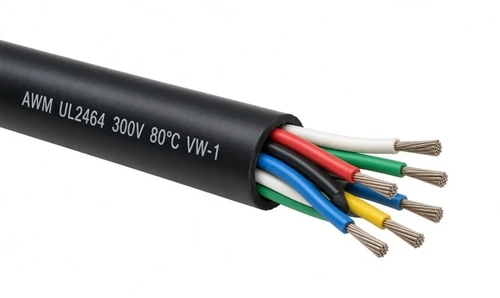
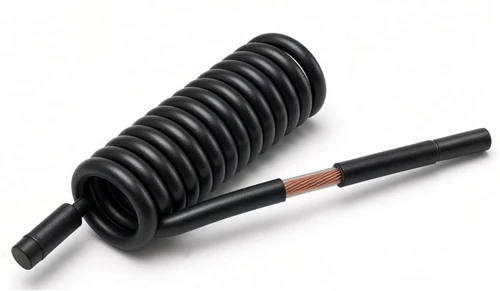
Automotive and ordinary electrical wires differ significantly in several aspects. First, in terms of their structural characteristics, ordinary electrical wires are typically single-strand, rigid copper wires with excellent conductivity and mechanical strength. Automotive electrical wires, on the other hand, are multi-strand, flexible copper wires, consisting of several or even dozens of soft copper wires. These fine copper wires are encased in insulating tubing, making them more flexible and less prone to breakage.
Second, in terms of their operating environment, ordinary electrical wires are primarily used for power transmission in fixed locations such as homes and offices, while automotive electrical wires must adapt to the complex and ever-changing environment within a vehicle. Automotive electrical wires must withstand a variety of harsh conditions, including bumps, vibrations, and high and low temperatures. Therefore, their design and manufacturing process requires greater emphasis on durability and stability.
Finally, in terms of safety, automotive electrical wires are subject to more stringent standards. Due to the limited interior space and complex wiring layout, automotive electrical wires must exhibit enhanced resistance to high and low temperatures, as well as excellent insulation properties, to ensure driving safety.
The Difference Between Automotive Wire and Standard Multi-stranded Wire
Although both automotive wire and standard multi-stranded wire utilize a multi-stranded copper flexible wire design, they differ significantly in their application, performance, and manufacturing process.
First, standard multi-stranded wire is primarily used in applications requiring frequent bending or movement, such as wiring inside household appliances. Automotive wire, on the other hand, is specifically designed for the complex and ever-changing circuit layouts within automobiles, requiring higher durability and stability.
Second, automotive wire typically exhibits higher resistance to high and low temperatures, as well as improved insulation properties. This is because within a car, wires must withstand extreme temperatures, while also preventing safety hazards such as short circuits.
Finally, automotive wires are subject to more stringent manufacturing requirements. The production process must consider multiple factors, including flexibility, abrasion resistance, corrosion resistance, and electrical performance, to ensure the wires maintain stability and safety during long-term use within the vehicle.