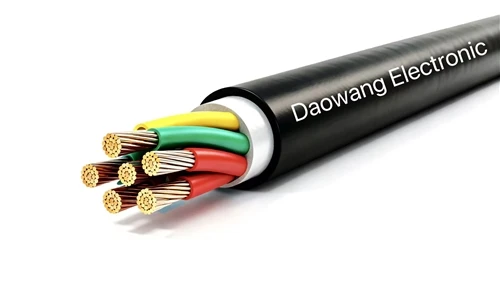
The automotive wiring system is the core of a vehicle's power transmission. It not only connects various electrical components but also performs important functions such as power supply, ignition, lighting, and signal transmission. The following are several key features of automotive wiring systems:
High Safety: Automotive wiring systems must ensure reliable and stable power transmission. Therefore, wiring is typically constructed of materials with excellent insulation properties, such as polyvinyl chloride (PVC) or cross-linked polyethylene (XLPE), to ensure safety.
High-Temperature Resistance: The high temperatures generated by a vehicle's engine and exhaust system pose a challenge to wiring systems. High-temperature-resistant insulation materials, such as cross-linked polyethylene (XLPE) or polytetrafluoroethylene (PTFE), prevent wire damage from high temperatures.
Vibration Resistance: Vibration and shock during driving can cause wires to loosen or break. Special designs and structures can enhance wire vibration resistance, ensuring continuous power transmission.
Corrosion Resistance: Humidity, salt spray, and chemicals in the automotive operating environment can corrode wires. Using corrosion-resistant insulation materials or coatings can improve wire corrosion resistance.
When selecting and installing automotive wiring, it is important to follow the manufacturer's requirements and relevant standards to ensure the suitability of wire specifications and materials, as well as proper installation and connection. In addition, regular inspections of wiring conditions and timely replacement of aging or damaged wiring are key to ensuring the proper functioning of the vehicle.