


As a trusted supplier of German FLX - A Car Wire, I often get asked about the weight per unit length of this specific automotive wire. Understanding the weight of the wire is crucial for various reasons, including vehicle design, performance optimization, and cost - efficiency. In this blog post, I will delve into the factors that influence the weight of German FLX - A Car Wire per unit length and provide some insights based on industry knowledge and experience.
Factors Affecting the Weight of German FLX - A Car Wire per Unit Length
1. Conductive Material
The primary component of any wire is its conductive material. German FLX - A Car Wire typically uses high - quality copper or aluminum as the conductor. Copper is a popular choice due to its excellent electrical conductivity. However, it is denser than aluminum, which means that for the same cross - sectional area and length, a copper - based German FLX - A Car Wire will be heavier than an aluminum - based one.
Aluminum, on the other hand, is lighter and more cost - effective. But it has a slightly lower conductivity compared to copper. Automobile manufacturers often make a trade - off between weight, cost, and performance when choosing the conductive material for their wiring systems.
2. Cross - Sectional Area
The cross - sectional area of the wire is another significant factor. A wire with a larger cross - sectional area will have more material, and thus, it will be heavier per unit length. The cross - sectional area is directly related to the wire's current - carrying capacity. Wires that need to carry higher currents, such as those used for powering major components like the engine starter or the battery charging system, usually have a larger cross - sectional area and are heavier.
For German FLX - A Car Wire, different models are designed with various cross - sectional areas to meet the diverse electrical requirements of modern automobiles. For example, wires used for low - power applications like interior lighting may have a smaller cross - sectional area and be lighter, while those for high - power applications will be heavier.

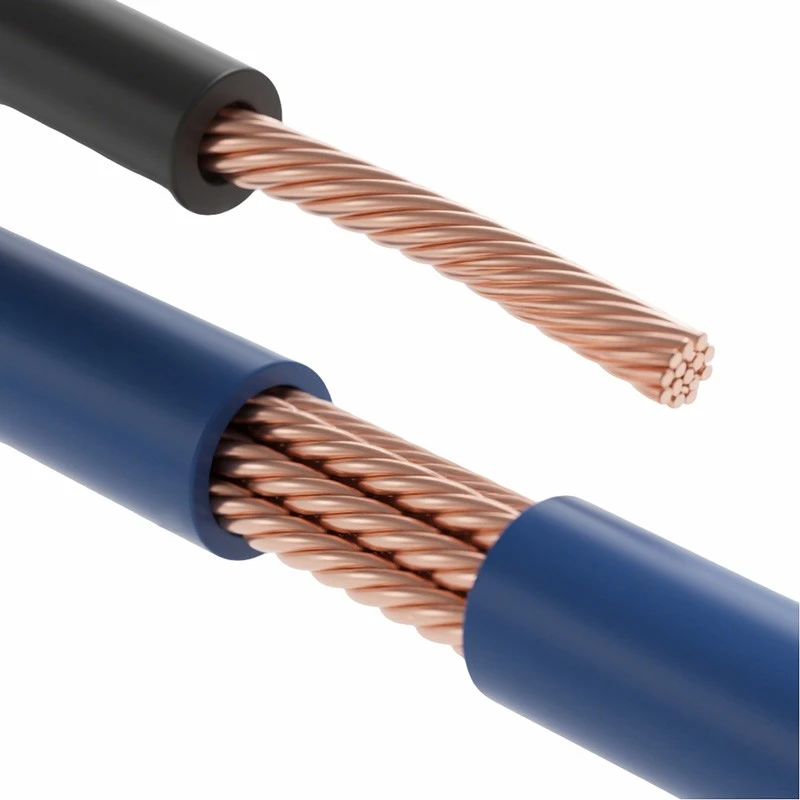
3. Insulation Material
Insulation is essential for protecting the conductive core of the wire from environmental factors, preventing short - circuits, and ensuring electrical safety. The type and thickness of the insulation material can also affect the weight of the wire per unit length.
Common insulation materials for German FLX - A Car Wire include polyvinyl chloride (PVC), cross - linked polyethylene (XLPE), and ethylene - propylene rubber (EPR). PVC is a widely used insulation material due to its low cost and good mechanical properties. However, it is relatively heavy compared to some other materials. XLPE and EPR, on the other hand, offer better heat resistance and electrical properties, and they can be lighter in some cases.
Measuring the Weight per Unit Length
To accurately determine the weight per unit length of German FLX - A Car Wire, a sample of the wire is usually taken, and it is cut into a known length. The sample is then weighed using a precision scale. The weight is then divided by the length of the sample to obtain the weight per unit length, usually measured in grams per meter (g/m).
It's important to note that the weight per unit length can vary slightly depending on manufacturing tolerances. However, reputable manufacturers of German FLX - A Car Wire adhere to strict quality control standards to ensure consistency in the product's properties, including its weight.
Comparison with Other German Automotive Wires
When comparing German FLX - A Car Wire with other types of German automotive wires such as the FLR9Y - B German standard automotive wire and the FLRY - B Wire, the weight per unit length can differ.
The differences in weight are mainly due to variations in the conductive material, cross - sectional area, and insulation material as discussed earlier. For instance, if the FLR9Y - B German standard automotive wire uses a different conductive material or has a different insulation thickness compared to the German FLX - A Car Wire, their weights per unit length will not be the same.
The FL9Y - A Car Wire may also have its own unique weight characteristics. These differences are important for automotive engineers and designers as they plan the wiring layout of a vehicle, aiming to balance the weight distribution and overall vehicle performance.
Importance of Knowing the Weight per Unit Length
1. Vehicle Design
In modern automotive design, weight reduction is a key goal to improve fuel efficiency and performance. By knowing the weight per unit length of German FLX - A Car Wire, designers can accurately calculate the total weight of the wiring system in a vehicle. This information helps in optimizing the overall weight of the vehicle, ensuring that it meets the desired fuel economy and performance targets.
2. Cost Estimation
The weight of the wire is directly related to its cost. Since the raw materials for the conductor and insulation have a certain price per unit weight, knowing the weight per unit length allows for more accurate cost estimation during the production process. It also helps in comparing different wire options and making cost - effective decisions.
3. Installation and Handling
The weight of the wire can affect its installation and handling. Heavier wires may require more support and care during installation to prevent damage. Understanding the weight per unit length helps installers prepare the necessary equipment and ensure a proper installation process.
Conclusion
The weight per unit length of German FLX - A Car Wire is influenced by multiple factors, including the conductive material, cross - sectional area, and insulation material. Measuring this weight accurately is important for vehicle design, cost estimation, and installation. As a supplier of German FLX - A Car Wire, I am committed to providing high - quality products with consistent weight characteristics.
If you are interested in purchasing German FLX - A Car Wire or have any questions regarding its weight, performance, or other aspects, please feel free to contact us for a detailed discussion. We are more than happy to assist you in finding the best wiring solutions for your automotive needs.
References
- "Automotive Electrical Wiring Handbook"
- Industry reports on automotive wire manufacturing and standards



