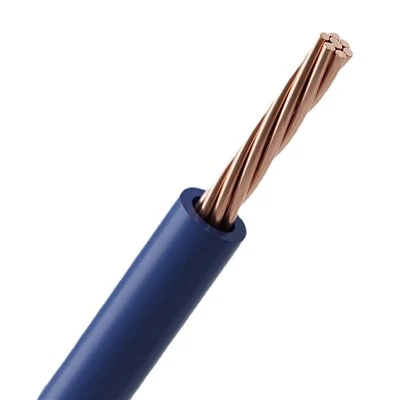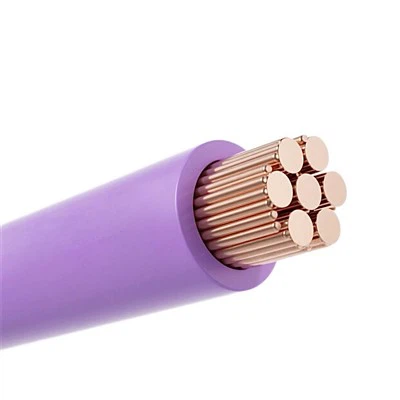

As a reputable supplier of FLRY - B Wire, I often get asked about the voltage drop of this particular type of wire. In this blog post, I'll delve deep into what voltage drop is, why it matters for FLRY - B Wire, and how you can calculate it.
Understanding Voltage Drop
Voltage drop refers to the decrease in electrical potential along the path of a current - carrying conductor. In simple terms, when electricity flows through a wire, some of the electrical energy is lost as heat due to the resistance of the wire. This loss of energy results in a reduction of voltage from one end of the wire to the other.
The concept of voltage drop is crucial because excessive voltage drop can lead to a variety of problems. For electrical systems, it may cause devices to operate inefficiently or not at all. In automotive applications, where FLRY - B Wire is commonly used, poor voltage supply due to high voltage drop can lead to issues such as dimmed lights, weakened motor performance, and even malfunctions of electronic control units.
Why Voltage Drop Is Relevant to FLRY - B Wire
FLRY - B Wire is a type of high - quality automotive wire. It is designed to meet the demanding requirements of modern vehicles, which rely heavily on electrical systems for everything from engine management to entertainment. Since automotive electrical systems operate on relatively low voltages (usually 12V or 24V), even a small voltage drop can have a significant impact on the performance of electrical components.
For example, in a car's lighting system, a voltage drop in the FLRY - B Wire can cause the headlights to shine less brightly. In the case of electric motors used for power windows or windshield wipers, a reduced voltage due to voltage drop can result in slower operation or even failure to start.
Factors Affecting Voltage Drop in FLRY - B Wire
Several factors influence the voltage drop in FLRY - B Wire:
Wire Gauge
The gauge of a wire refers to its thickness. A smaller gauge number indicates a thicker wire. Thicker wires have lower resistance, which means less voltage drop. For instance, if you use a larger - gauge FLRY - B Wire for a high - current application, the voltage drop will be less compared to using a smaller - gauge wire.
Wire Length
The longer the wire, the higher the resistance and, consequently, the greater the voltage drop. When installing FLRY - B Wire in a vehicle, it's important to keep the wire runs as short as possible to minimize voltage drop. For example, if you need to power a component located far from the battery, you may need to consider using a larger - gauge wire to compensate for the increased length.
Current Flow
The amount of current flowing through the wire also affects the voltage drop. Higher current levels lead to more significant voltage drops. In automotive systems, different components draw different amounts of current. For example, a starter motor draws a large amount of current when starting the engine, so the FLRY - B Wire used for connecting the starter must be able to handle this high - current load with minimal voltage drop.
Calculating Voltage Drop in FLRY - B Wire
The voltage drop in a wire can be calculated using Ohm's Law, which states that V = I × R, where V is the voltage drop, I is the current flowing through the wire, and R is the resistance of the wire.
The resistance of a wire can be calculated using the formula R = ρ × (L / A), where ρ is the resistivity of the wire material (copper is commonly used in FLRY - B Wire, and its resistivity is a known constant), L is the length of the wire, and A is the cross - sectional area of the wire.
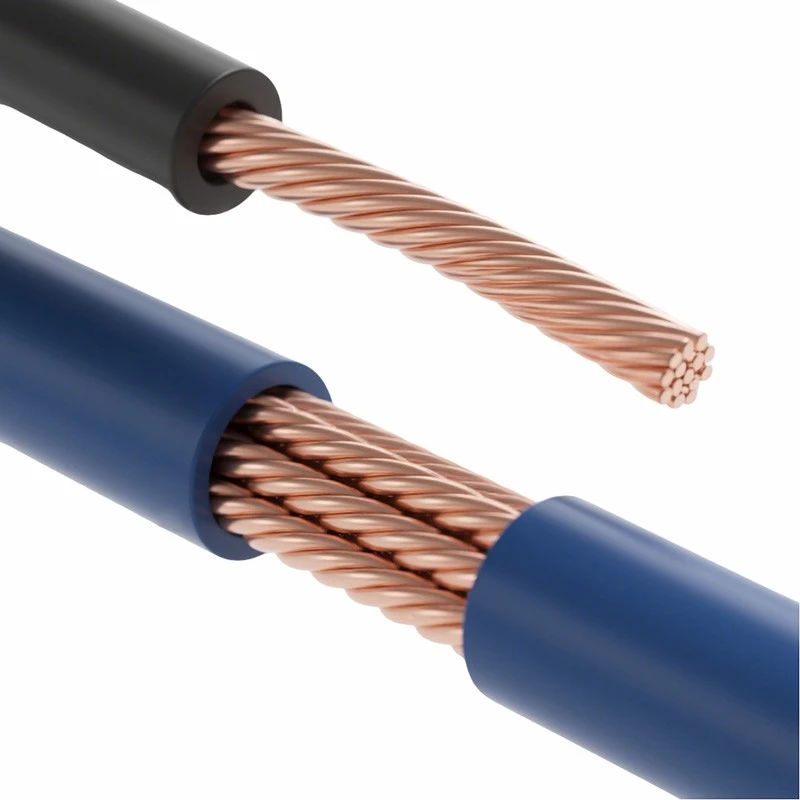

Let's say we have a 10 - meter length of FLRY - B Wire with a current of 5A flowing through it. First, we need to determine the resistance of the wire based on its gauge. If the wire has a cross - sectional area corresponding to a certain gauge and we know the resistivity of copper, we can calculate the resistance. Then, using Ohm's Law, we can find the voltage drop.
Comparing FLRY - B Wire with Other Wires
It's also helpful to compare FLRY - B Wire with other types of automotive wires, such as FLRY - A Wire and German FLX - A Car Wire.
FLRY - B Wire is known for its excellent insulation properties and flexibility, which make it suitable for use in tight spaces within a vehicle. Compared to FLRY - A Wire, FLRY - B may have different insulation thickness and temperature ratings, which can affect its performance and voltage drop characteristics. German FLX - A Car Wire, on the other hand, may be designed for specific applications with different requirements. Each wire type has its own advantages and disadvantages when it comes to voltage drop, depending on the specific use case.
How to Minimize Voltage Drop in FLRY - B Wire
To minimize voltage drop when using FLRY - B Wire, consider the following tips:
- Choose the Right Gauge: Select a wire gauge that can handle the expected current without excessive voltage drop. Refer to wire gauge charts or consult with an electrical engineer if necessary.
- Keep Wires Short: Route the FLRY - B Wire as directly as possible to the component it is powering. Avoid unnecessary bends and loops that can increase the wire length.
- Proper Termination: Ensure that the wire connections are clean, tight, and free of corrosion. Poor connections can increase resistance and lead to higher voltage drops.
Conclusion
In conclusion, understanding the voltage drop of FLRY - B Wire is essential for ensuring the proper functioning of automotive electrical systems. As a supplier, I am committed to providing high - quality FLRY - B Wire that meets the strictest standards. By considering factors such as wire gauge, length, and current flow, and by following the tips to minimize voltage drop, you can optimize the performance of your electrical systems.
If you are interested in purchasing FLRY - B Wire for your automotive applications, I encourage you to reach out to discuss your specific requirements. We can work together to find the best solutions for your projects, ensuring reliable and efficient electrical performance.
References
- Electrical Engineering textbooks on circuit theory and automotive electrical systems.
- Manufacturer's specifications for FLRY - B Wire, FLRY - A Wire, and German FLX - A Car Wire.