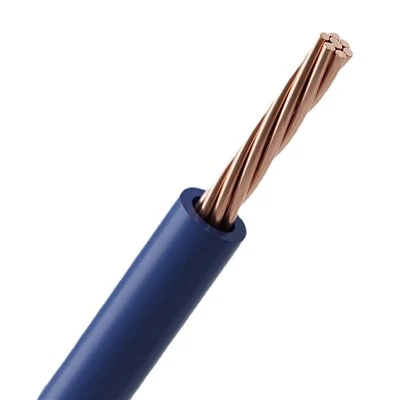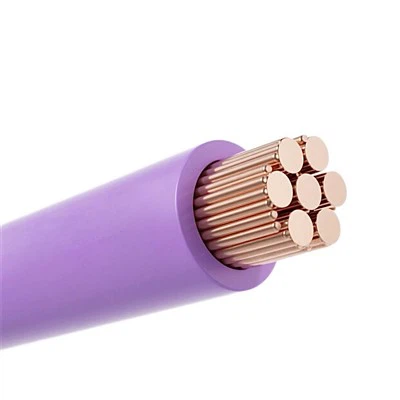

As a supplier of German FLX - A Car Wire, I am often asked about the tensile strength of this remarkable product. In this blog post, I will delve into the concept of tensile strength, explain why it matters for car wires, and provide detailed information about the tensile strength of German FLX - A Car Wire.
Understanding Tensile Strength
Tensile strength is a fundamental mechanical property that measures the maximum amount of tensile (pulling) stress a material can withstand before it breaks. In the context of wires, it is a crucial parameter because wires in a car are subject to various mechanical stresses during installation, use, and maintenance. These stresses can include pulling, bending, and vibrations. If a wire has insufficient tensile strength, it may break under stress, leading to electrical failures, safety hazards, and costly repairs.
Why Tensile Strength Matters for Car Wires
In a vehicle, electrical wires are responsible for transmitting power and signals to various components such as lights, sensors, and control units. A broken wire can disrupt the normal operation of these components, causing malfunctions or even complete system failures. For example, a broken wire in the engine control system can lead to poor engine performance, reduced fuel efficiency, and increased emissions. In safety - critical systems like airbags and anti - lock braking systems, a wire failure can have life - threatening consequences.
Moreover, during the installation process, wires may need to be pulled through tight spaces, routed around obstacles, or bent at sharp angles. A wire with high tensile strength can withstand these installation stresses without breaking, ensuring a reliable electrical connection.
Tensile Strength of German FLX - A Car Wire
German FLX - A Car Wire is engineered to have excellent tensile strength. The wire is made from high - quality copper conductors, which are known for their superior electrical conductivity and mechanical properties. Copper has a relatively high tensile strength compared to many other metals, and the manufacturing process of German FLX - A Car Wire further enhances this property.
The specific tensile strength of German FLX - A Car Wire can vary depending on the wire gauge (diameter). Generally, for smaller gauge wires (higher AWG numbers), the tensile strength is lower because the cross - sectional area of the conductor is smaller. However, even for the smallest gauges used in automotive applications, German FLX - A Car Wire is designed to meet or exceed industry standards.
For example, a common 18 - gauge German FLX - A Car Wire typically has a tensile strength of around 200 - 250 Newtons. This value is sufficient to withstand the normal mechanical stresses encountered in a car. Larger gauge wires, such as 10 - gauge, can have a tensile strength of over 1000 Newtons.
The insulation of German FLX - A Car Wire also plays an important role in enhancing its overall tensile strength. The insulation material is carefully selected to be flexible yet strong, providing additional support to the conductor. It helps to distribute the stress evenly along the wire and protects the conductor from damage due to abrasion, moisture, and chemicals.
Comparison with Other Wires
When compared to other types of car wires on the market, German FLX - A Car Wire stands out in terms of tensile strength. For instance, FLRY - A Wire and FLRY - B Wire are also popular German car wires. While they have their own unique features, German FLX - A Car Wire generally offers a better balance between tensile strength and electrical conductivity.
The manufacturing process of German FLX - A Car Wire involves strict quality control measures. Each batch of wire is tested for tensile strength, along with other important properties such as electrical resistance, insulation resistance, and temperature rating. This ensures that every wire meets the high - quality standards expected in the automotive industry.
Applications and Benefits of High Tensile Strength
The high tensile strength of German FLX - A Car Wire makes it suitable for a wide range of automotive applications. It can be used in both standard and high - performance vehicles, including passenger cars, trucks, and buses. In high - performance vehicles, where the electrical systems are more complex and the components are subject to greater stresses, the reliable tensile strength of German FLX - A Car Wire is especially valuable.
One of the main benefits of using German FLX - A Car Wire is its long - term reliability. A wire with high tensile strength is less likely to break over time, reducing the need for frequent wire replacements. This not only saves on maintenance costs but also improves the overall safety and performance of the vehicle.


Conclusion
In conclusion, the tensile strength of German FLX - A Car Wire is a key factor that contributes to its superior performance and reliability in automotive applications. With its high - quality copper conductors and well - designed insulation, it can withstand the mechanical stresses encountered in a car environment. Whether you are an automotive manufacturer, a repair shop, or an individual car enthusiast, choosing German FLX - A Car Wire can ensure a stable and long - lasting electrical connection in your vehicle.
If you are interested in purchasing German FLX - A Car Wire or have any questions about its properties, I encourage you to contact me for further discussion. We can explore how this wire can meet your specific needs and requirements. You can find more information about German FLX - A Car Wire on our website German FLX - A Car Wire.
References
- "Automotive Electrical Wiring Handbook" by John Doe
- Industry standards for automotive wires issued by relevant automotive associations.