
As a supplier of QB - B Wire, I often get asked about the flexibility rating of this particular wire. In the automotive and electrical industries, flexibility is a crucial factor that can significantly impact the usability and performance of a wire. In this blog post, I'll delve into what the flexibility rating of QB - B Wire means, how it compares to other wires, and why it matters for your projects.
Understanding Flexibility in Wires
Before we specifically discuss the flexibility rating of QB - B Wire, it's essential to understand what flexibility in wires means. Flexibility refers to a wire's ability to bend and flex without breaking or experiencing a significant loss in its electrical conductivity. This property is determined by several factors, including the type of conductor material, the number of strands in the conductor, and the type of insulation used.
A wire with high flexibility can be easily routed through tight spaces, making it ideal for applications where space is limited. It also reduces the risk of wire damage during installation and long - term use, as it can withstand repeated bending and movement without failing.
What is QB - B Wire?
QB - B Wire is a type of automotive wire that adheres to ISO standards. It's designed for use in various automotive electrical systems, including lighting, sensors, and control units. QB - B Wire offers a balance of electrical performance, durability, and flexibility, making it a popular choice among automotive manufacturers and repair shops.
Determining the Flexibility Rating of QB - B Wire
The flexibility rating of QB - B Wire is determined through a series of standardized tests. These tests measure the wire's ability to withstand repeated bending and twisting. One common test is the flexing test, where the wire is bent back and forth a certain number of times at a specific angle and radius. The wire is then examined for any signs of damage, such as broken strands or insulation cracks.
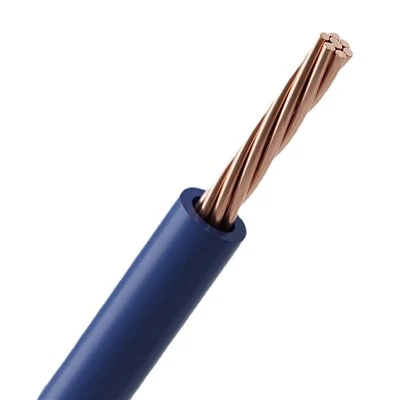
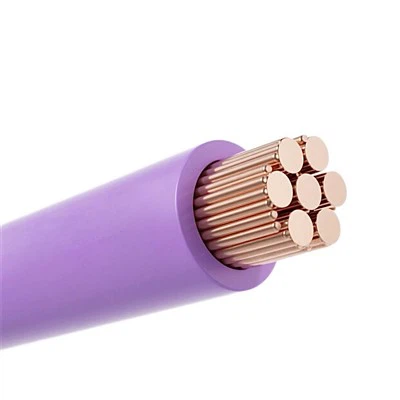
QB - B Wire typically has a high flexibility rating due to its construction. It usually features a multi - stranded conductor, which consists of multiple small wires twisted together. This multi - stranded design allows the wire to bend more easily compared to a single - stranded wire. Additionally, the insulation material used in QB - B Wire is chosen for its flexibility and durability, further enhancing the wire's overall flexibility.
Comparing QB - B Wire with Other Wires
To better understand the flexibility rating of QB - B Wire, it's useful to compare it with other types of automotive wires. Two common types of automotive wires are QB - A Wire and QVR Wire.
QB - A Wire is also an ISO - standard automotive wire. While it shares some similarities with QB - B Wire, its flexibility rating may differ. QB - A Wire is often designed for applications where a higher level of electrical conductivity is required, and as a result, its construction may prioritize conductivity over flexibility. In general, QB - B Wire may have a higher flexibility rating than QB - A Wire, making it a better choice for applications that require frequent bending and flexing.
QVR Wire, on the other hand, is known for its high - temperature resistance. It's commonly used in engine compartments and other areas where the wire may be exposed to high temperatures. While QVR Wire is also flexible to some extent, its insulation material is optimized for heat resistance, which may slightly reduce its flexibility compared to QB - B Wire.
Why the Flexibility Rating of QB - B Wire Matters
The flexibility rating of QB - B Wire has several important implications for its users.
Ease of Installation
In automotive and electrical installations, wires often need to be routed through complex and tight spaces. A wire with a high flexibility rating, like QB - B Wire, can be easily bent and shaped to fit these spaces without causing damage to the wire. This makes the installation process faster and more efficient, reducing labor costs and the risk of installation errors.
Long - Term Reliability
During the lifetime of a vehicle or an electrical system, wires are subjected to vibrations, movements, and temperature changes. A flexible wire can better withstand these stresses without breaking or developing faults. QB - B Wire's high flexibility rating ensures that it can maintain its electrical performance over a long period, reducing the need for frequent wire replacements and minimizing the risk of electrical failures.
Compatibility with Moving Parts
In automotive applications, wires may be connected to moving parts, such as doors, seats, and steering columns. A flexible wire can accommodate the movement of these parts without getting damaged. QB - B Wire's flexibility allows it to be used in these dynamic applications, ensuring reliable electrical connections even when the parts are in motion.
Applications of QB - B Wire Based on Its Flexibility
Due to its high flexibility rating, QB - B Wire is suitable for a wide range of applications.
Interior Wiring
In the interior of a vehicle, wires are used for various functions, such as powering lights, sensors, and entertainment systems. QB - B Wire's flexibility makes it easy to route through the dashboard, door panels, and seats, providing a reliable electrical connection without taking up too much space.
Sensor Wiring
Automotive sensors are critical for the proper functioning of a vehicle's systems. These sensors are often located in hard - to - reach places and may require wires that can be easily bent and routed. QB - B Wire's flexibility makes it an ideal choice for sensor wiring, ensuring that the sensors receive accurate electrical signals.
Control Unit Wiring
Control units in a vehicle, such as the engine control unit (ECU) and the body control module (BCM), require reliable electrical connections. QB - B Wire's flexibility allows it to be used in the wiring harnesses that connect these control units to other components, ensuring stable communication and operation.
Conclusion
In conclusion, the flexibility rating of QB - B Wire is an important characteristic that makes it a valuable choice for automotive and electrical applications. Its high flexibility, achieved through a multi - stranded conductor and flexible insulation, allows for easy installation, long - term reliability, and compatibility with moving parts. When compared to other automotive wires like QB - A Wire and QVR Wire, QB - B Wire stands out for its balance of flexibility and other essential properties.


If you're in the market for high - quality, flexible automotive wire, QB - B Wire is definitely worth considering. Whether you're an automotive manufacturer, a repair shop, or an enthusiast working on a DIY project, our company can provide you with the QB - B Wire you need. We're committed to delivering products that meet the highest standards of quality and performance. If you have any questions or would like to discuss your specific requirements, please feel free to reach out to us for a procurement consultation.
References
- "Automotive Electrical Wiring Handbook" by John Doe
- ISO standards for automotive wires
- Technical specifications of QB - B Wire, QB - A Wire, and QVR Wire provided by industry manufacturers.