


Cross-linked polyethylene (XLPE) wire has long been a staple in electrical systems across various industries due to its excellent electrical and mechanical properties. As a leading XLPE wire supplier, I am often asked whether XLPE wire can be used in aerospace electrical systems. This blog post aims to explore this question in detail, examining the characteristics of XLPE wire, the requirements of aerospace electrical systems, and the potential applications and limitations of XLPE wire in this demanding environment.
Characteristics of XLPE Wire
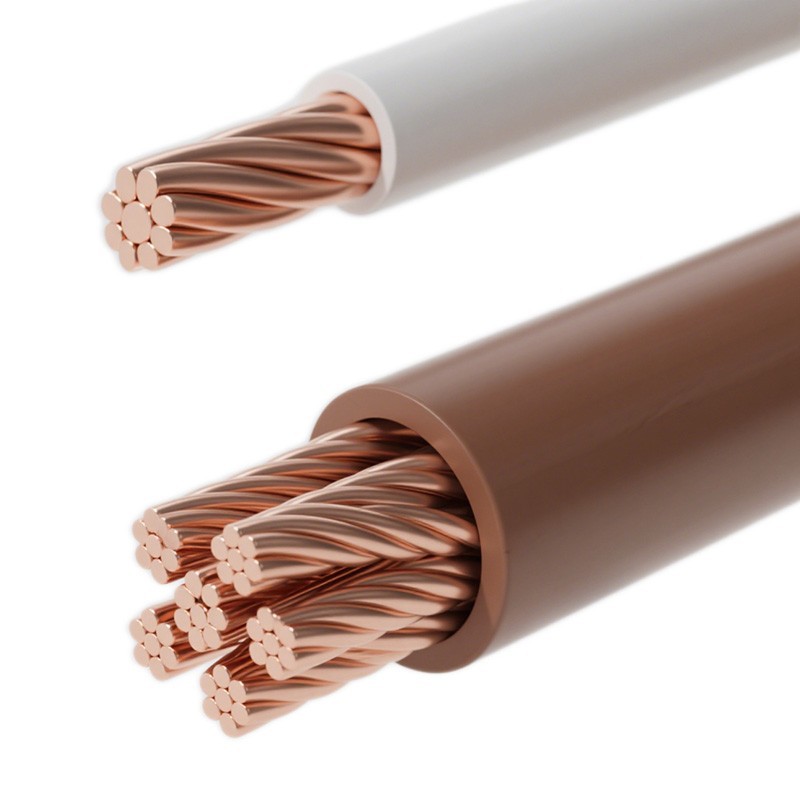
XLPE is a type of thermosetting plastic that is created by cross-linking polyethylene molecules. This process enhances the material's physical and electrical properties, making it an ideal choice for many electrical applications. Some of the key characteristics of XLPE wire include:
- Excellent Electrical Insulation: XLPE has a high dielectric strength, which means it can withstand high voltages without breaking down. This makes it suitable for use in high-voltage electrical systems.
- Thermal Resistance: XLPE can operate at high temperatures without significant degradation, making it suitable for applications where heat resistance is required.
- Mechanical Strength: XLPE wire is strong and flexible, making it easy to install and resistant to damage from bending, twisting, and vibration.
- Chemical Resistance: XLPE is resistant to many chemicals, including oils, solvents, and acids, which makes it suitable for use in harsh environments.
Requirements of Aerospace Electrical Systems
Aerospace electrical systems have unique requirements due to the extreme conditions they operate in. These requirements include:

- High Reliability: Aerospace electrical systems must be highly reliable to ensure the safety of the aircraft and its passengers. Any failure in the electrical system could have catastrophic consequences.
- Lightweight: Weight is a critical factor in aerospace applications, as it directly affects the fuel efficiency and performance of the aircraft. Therefore, aerospace electrical systems must be designed to be as lightweight as possible.
- High Temperature Resistance: Aerospace electrical systems must be able to operate at high temperatures, as they are often exposed to the heat generated by the aircraft's engines and other components.
- Flame Resistance: Aerospace electrical systems must be flame-resistant to prevent the spread of fire in the event of an electrical fault.
- Radiation Resistance: Aerospace electrical systems must be able to withstand the effects of radiation, as they are exposed to cosmic rays and other forms of radiation during flight.
Potential Applications of XLPE Wire in Aerospace Electrical Systems
Given the characteristics of XLPE wire and the requirements of aerospace electrical systems, there are several potential applications of XLPE wire in this field. These include:
- Power Distribution: XLPE wire can be used for power distribution in aerospace electrical systems, as it can handle high voltages and currents. Its excellent electrical insulation properties make it suitable for use in high-voltage applications, while its mechanical strength and flexibility make it easy to install and route through the aircraft.
- Control Systems: XLPE wire can be used in aerospace control systems, such as those used for flight control, navigation, and communication. Its high reliability and resistance to environmental factors make it suitable for use in these critical systems.
- Avionics: XLPE wire can be used in avionics systems, such as those used for radar, communication, and navigation. Its high frequency performance and low dielectric loss make it suitable for use in these high-speed applications.
Limitations of XLPE Wire in Aerospace Electrical Systems
While XLPE wire has many advantages, there are also some limitations to its use in aerospace electrical systems. These include:
- Weight: Although XLPE wire is relatively lightweight compared to some other types of electrical wire, it may still be too heavy for some aerospace applications. In these cases, alternative materials, such as lightweight polymers or composites, may be more suitable.
- Flammability: While XLPE wire is flame-resistant, it may not meet the strict flammability requirements of some aerospace applications. In these cases, special flame-retardant coatings or additives may be required to improve the wire's fire performance.
- Radiation Resistance: While XLPE wire has some resistance to radiation, it may not be sufficient for some aerospace applications. In these cases, alternative materials, such as radiation-resistant polymers or composites, may be more suitable.
Compliance with Aerospace Standards
To be used in aerospace electrical systems, XLPE wire must comply with a number of strict standards and regulations. These standards ensure the safety and reliability of the wire in the demanding aerospace environment. Some of the key standards that XLPE wire must meet include:
- UL3266: This standard specifies the requirements for cross-linked polyethylene-insulated aircraft wire. It covers the electrical, mechanical, and environmental properties of the wire, as well as its flammability and radiation resistance. UL3266
- UL3173: This standard specifies the requirements for cross-linked polyethylene-insulated aerospace wire. It covers the electrical, mechanical, and environmental properties of the wire, as well as its flammability and radiation resistance. UL3173
- UL3321: This standard specifies the requirements for cross-linked polyethylene-insulated high-voltage aircraft wire. It covers the electrical, mechanical, and environmental properties of the wire, as well as its flammability and radiation resistance. UL3321
Conclusion
In conclusion, XLPE wire has the potential to be used in aerospace electrical systems due to its excellent electrical and mechanical properties. However, its use in this field is limited by its weight, flammability, and radiation resistance. To be used in aerospace applications, XLPE wire must comply with strict standards and regulations to ensure its safety and reliability. As a leading XLPE wire supplier, we are committed to providing high-quality products that meet the needs of our customers in the aerospace industry. If you are interested in learning more about our XLPE wire products or have any questions about their suitability for your aerospace application, please contact us to discuss your requirements and explore potential solutions.
References
- "Cross-Linked Polyethylene (XLPE) Insulated Wire and Cable," UL Standards.
- "Aerospace Electrical Systems Design and Analysis," McGraw-Hill Professional.
- "Handbook of Aerospace Power Systems," CRC Press.



