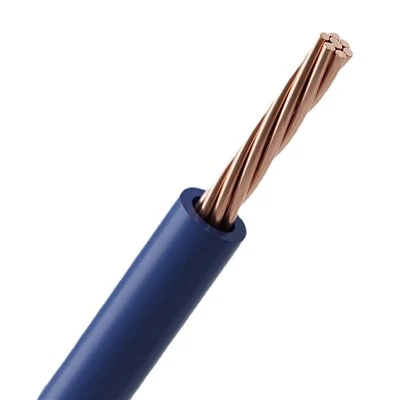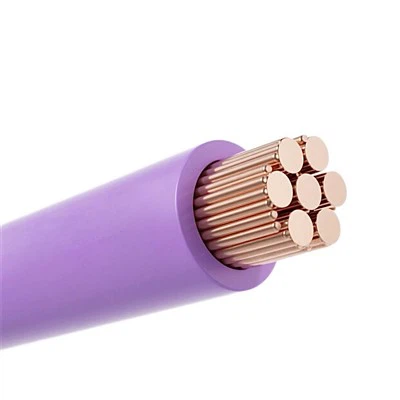

As a supplier of multicore cables, I've witnessed firsthand the rigorous demands placed on these essential components in the aerospace industry. Multicore cables are the lifelines of modern aircraft and spacecraft, transmitting power, data, and signals to various systems. The strict requirements for these cables in aerospace are driven by the need for reliability, safety, and performance in some of the most challenging environments imaginable.
1. Electrical Performance
One of the primary requirements for multicore cables in aerospace is exceptional electrical performance. These cables must be able to transmit power and signals accurately and efficiently over long distances without significant loss or interference. The electrical conductivity of the conductors is crucial, and high - quality materials such as copper or aluminum are commonly used.
The insulation materials play a vital role in maintaining electrical integrity. They must have high dielectric strength to prevent electrical breakdown, especially in the low - pressure environments encountered at high altitudes. Additionally, the insulation should have low capacitance and impedance to ensure fast and accurate signal transmission. For example, in avionics systems where real - time data transfer is critical, any delay or distortion in the signal can have serious consequences.
2. Mechanical Durability
Aerospace multicore cables are subjected to extreme mechanical stresses. They are often routed through tight spaces, bent around corners, and subjected to vibrations during flight. Therefore, they must have excellent flexibility and bend radius characteristics. The cables should be able to withstand repeated bending and flexing without breaking or damaging the internal conductors or insulation.
In addition to bending, the cables need to resist abrasion. In an aircraft or spacecraft, cables may rub against other components, and a damaged cable can lead to electrical shorts or failures. To address this, multicore cables in aerospace are often equipped with tough outer jackets made of materials such as fluoropolymers or polyamides, which provide excellent abrasion resistance.
3. Temperature Resistance
The aerospace environment exposes multicore cables to a wide range of temperatures. In the upper atmosphere, temperatures can drop to extremely low levels, while near engines or other heat - generating components, cables may be exposed to high temperatures. Cables must be able to maintain their electrical and mechanical properties over this broad temperature range.
For low - temperature applications, the insulation and jacket materials should remain flexible and not become brittle. At high temperatures, they should not melt, degrade, or release toxic gases. Specialized insulation materials like silicone rubber or polyimide are often used due to their excellent temperature resistance properties.
4. Flame Resistance
Safety is of utmost importance in aerospace, and flame resistance is a critical requirement for multicore cables. In the event of a fire on an aircraft or spacecraft, cables should not contribute to the spread of the fire. They should have a high limiting oxygen index (LOI), which means they require a high concentration of oxygen to burn.
Many aerospace multicore cables are designed to meet strict flame - retardant standards. For example, they may be required to self - extinguish within a certain time after the ignition source is removed. The UL20276 and UL2919 standards are often used to evaluate the flame - retardant properties of cables, ensuring that they are suitable for use in aerospace applications.
5. Chemical Resistance
Multicore cables in aerospace may come into contact with various chemicals, including hydraulic fluids, fuels, and cleaning agents. These chemicals can damage the cable's insulation and jacket materials, leading to performance degradation or failure. Therefore, cables must be resistant to a wide range of chemicals.
Fluoropolymers are commonly used in aerospace cable jackets because they offer excellent chemical resistance. They can withstand exposure to fuels, oils, and other solvents without significant degradation. This ensures that the cables remain functional even in the presence of chemical contaminants.
6. EMI/RFI Shielding
Electromagnetic interference (EMI) and radio - frequency interference (RFI) can disrupt the operation of sensitive aerospace systems. Multicore cables must be effectively shielded to prevent external EMI/RFI from affecting the signals transmitted within the cable and to prevent the cable from radiating its own electromagnetic fields.
Shielding materials such as braided copper or aluminum are often used in multicore cables. The shielding should provide a high degree of coverage and conductivity to effectively block EMI/RFI. In addition, proper grounding of the shield is essential to ensure its effectiveness.
7. Weight and Size Constraints
In aerospace, every ounce matters. The weight of the aircraft or spacecraft directly affects its fuel efficiency and performance. Therefore, multicore cables must be as lightweight as possible without sacrificing their performance or reliability.
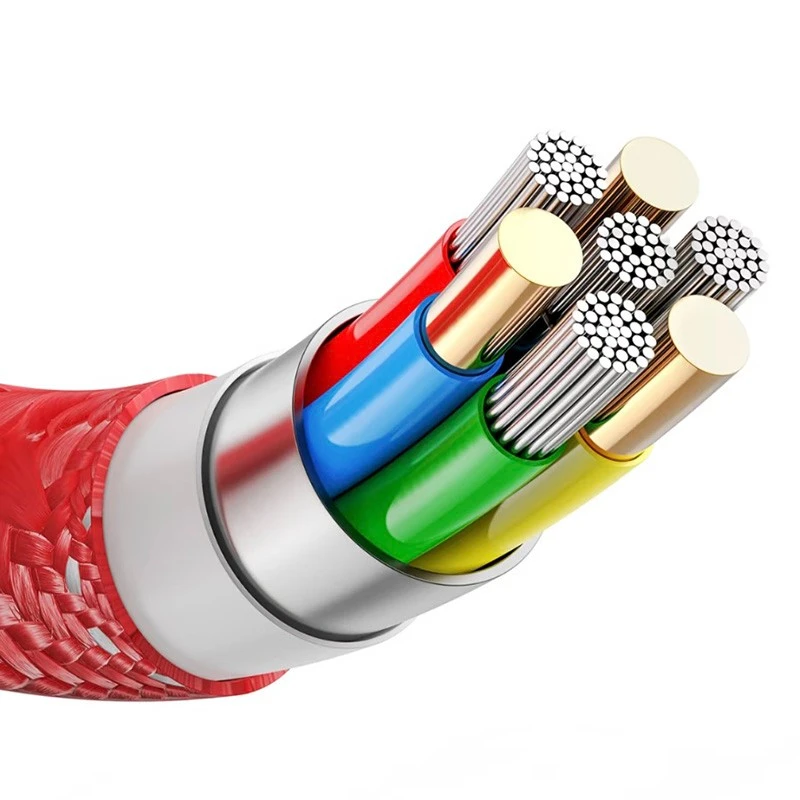
At the same time, the size of the cables is also a concern. With the increasing complexity of aerospace systems, there is limited space for cable routing. Multicore cables are designed to be compact, with a high density of conductors in a relatively small cross - sectional area.

8. Certification and Testing
To ensure that multicore cables meet the strict requirements of the aerospace industry, they must undergo extensive certification and testing. These tests include electrical performance tests, mechanical tests, temperature tests, flame - retardant tests, and chemical resistance tests.
Cables must comply with various international and industry standards, such as those set by the Federal Aviation Administration (FAA) in the United States and the European Union Aviation Safety Agency (EASA). Only cables that pass these rigorous tests and meet the standards are approved for use in aerospace applications.
As a multicore cable supplier, we understand the critical nature of these requirements. Our team of experts is dedicated to developing and manufacturing cables that meet and exceed the strict standards of the aerospace industry. We use the latest materials and manufacturing techniques to ensure the highest quality and reliability of our products.
If you are in the aerospace industry and are looking for high - quality multicore cables that meet the strict requirements of your applications, we invite you to contact us for a detailed discussion. Our experienced sales team can provide you with technical support, product samples, and competitive pricing. We are committed to helping you find the best cable solutions for your aerospace projects.
References
- "Aerospace Wiring Handbook" by Thomas A. Litchford
- "Electrical Wiring Interconnection Systems (EWIS) for Commercial Airplanes" by Federal Aviation Administration
- Industry standards such as UL20276 and UL2919