


As a UL3321 supplier, I've witnessed firsthand the importance of this standard in ensuring the safety of battery-powered products. In this blog, I'll delve into how UL3321 plays a crucial role in safeguarding these products and the people who use them.
Understanding the Basics of UL3321
UL3321 is a comprehensive safety standard specifically designed for battery-powered products. It sets out a series of requirements and tests that these products must pass to be considered safe for use. This standard takes into account various aspects of battery-powered devices, from the battery itself to the overall design and functionality of the product.
The standard covers a wide range of battery-powered products, including but not limited to portable electronic devices, electric tools, and electric vehicles. By adhering to UL3321, manufacturers can ensure that their products meet a high level of safety and quality, reducing the risk of potential hazards such as fires, explosions, and electric shocks.
Battery Safety Testing
One of the primary focuses of UL3321 is battery safety. Batteries are the heart of battery-powered products, and any malfunction or defect in the battery can pose a significant risk. UL3321 includes a series of tests to evaluate the safety of batteries under different conditions.
Overcharge and Overdischarge Protection
UL3321 requires that batteries have effective overcharge and overdischarge protection mechanisms. Overcharging a battery can cause it to overheat, potentially leading to a fire or explosion. Similarly, overdischarging a battery can damage its internal structure and reduce its lifespan. The standard mandates that batteries are designed to prevent these situations, either through built-in protection circuits or other safety features.
Short Circuit Protection
Another critical aspect of battery safety is short circuit protection. A short circuit can occur when the positive and negative terminals of a battery come into direct contact, causing a large amount of current to flow. This can generate excessive heat and damage the battery or even start a fire. UL3321 requires that batteries have adequate short circuit protection to prevent such incidents.
Thermal Stability Testing
Batteries can generate heat during normal operation, and excessive heat can affect their performance and safety. UL3321 includes thermal stability testing to ensure that batteries can operate safely within a specified temperature range. This testing involves subjecting the battery to various temperature conditions and monitoring its performance and safety parameters.
Product Design and Construction
In addition to battery safety testing, UL3321 also addresses the design and construction of battery-powered products. The standard requires that products are designed in a way that minimizes the risk of hazards and ensures the safety of users.
Electrical Insulation
Proper electrical insulation is essential to prevent electric shocks and short circuits. UL3321 mandates that all electrical components in the product are adequately insulated to protect users from coming into contact with live electrical parts. This includes using insulating materials and designing the product in a way that prevents accidental contact with electrical conductors.
Mechanical Protection
Battery-powered products may be subjected to various mechanical stresses during use, such as impacts, vibrations, and drops. UL3321 requires that products are designed to withstand these mechanical stresses without compromising their safety. This may involve using robust materials, providing adequate structural support, and designing the product in a way that protects the battery and other critical components.
Ventilation and Heat Dissipation
As mentioned earlier, batteries can generate heat during operation, and proper ventilation and heat dissipation are crucial to prevent overheating. UL3321 requires that products are designed with adequate ventilation channels and heat sinks to ensure that heat can be effectively dissipated. This helps to maintain the temperature of the battery and other components within a safe range.
Compliance and Certification
To ensure that battery-powered products meet the requirements of UL3321, manufacturers must undergo a rigorous compliance and certification process. This process involves submitting the product to a recognized testing laboratory for evaluation.
The testing laboratory will conduct a series of tests on the product, including the battery safety tests and product design and construction evaluations mentioned earlier. If the product passes all the tests, it will be issued a UL3321 certification, indicating that it meets the safety standards set by UL.
Having a UL3321 certification not only provides assurance to consumers that the product is safe but also helps manufacturers to comply with regulatory requirements in many countries. It can also enhance the marketability of the product, as many consumers prefer to purchase products that are certified to meet recognized safety standards.
Comparison with Other Related Standards
UL3321 is not the only standard related to battery-powered products. There are other standards, such as UL3173 and UL3266, that also address different aspects of battery safety and product design.
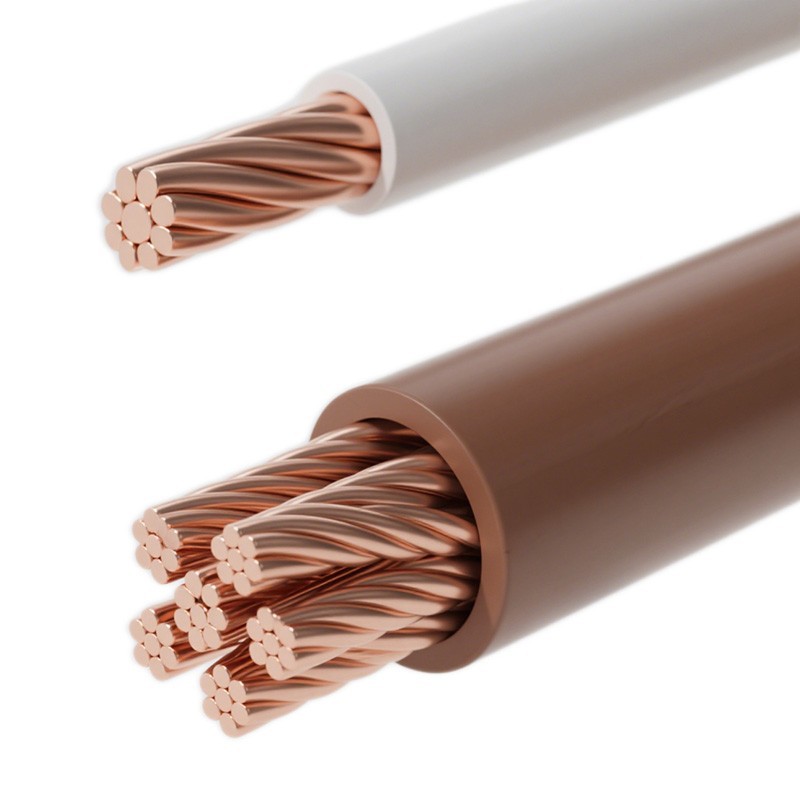
UL3173, for example, focuses on the safety of electrical wires and cables used in battery-powered products. It sets out requirements for the construction, performance, and testing of these wires and cables to ensure that they can safely carry electrical current without posing a fire or shock hazard.
UL3266, on the other hand, is more concerned with the safety of battery charging systems. It includes requirements for the design, construction, and operation of battery chargers to prevent overcharging, short circuits, and other potential hazards.
While these standards have different focuses, they all contribute to the overall safety of battery-powered products. UL3321 integrates many of these aspects and provides a comprehensive framework for ensuring the safety of battery-powered products from the battery to the entire product system.
The Role of a UL3321 Supplier
As a UL3321 supplier, I play a crucial role in the safety of battery-powered products. I provide manufacturers with the necessary components and materials that meet the requirements of UL3321. This includes batteries, wires, cables, and other electrical components.
By working closely with manufacturers, I can help them to design and develop products that are compliant with UL3321. I can provide technical support and advice on product design, component selection, and testing procedures. This ensures that the final product not only meets the safety standards but also performs well and is reliable.
In addition, I also stay updated on the latest developments in UL3321 and other related standards. This allows me to provide manufacturers with the most up-to-date information and ensure that the components and materials I supply are always in line with the latest safety requirements.
Conclusion
UL3321 is a vital standard for ensuring the safety of battery-powered products. Through its comprehensive battery safety testing, product design and construction requirements, and compliance and certification process, it helps to minimize the risk of hazards and protect consumers.
As a UL3321 supplier, I am committed to providing high-quality components and materials that meet the requirements of this standard. I believe that by working together with manufacturers, we can ensure that battery-powered products are safe, reliable, and of high quality.

If you are a manufacturer of battery-powered products and are interested in sourcing UL3321-compliant components or materials, please feel free to contact me for more information and to discuss your specific needs. I look forward to the opportunity to work with you and contribute to the safety and success of your products.
References
- UL3321 Standard Documentation
- UL3173 Standard Documentation
- UL3266 Standard Documentation



