
What are the flame - propagation characteristics of XLPE wire?
As a supplier of XLPE (Cross - Linked Polyethylene) wire, I've witnessed firsthand the growing demand for this high - performance electrical cable in various industries. XLPE wire has gained popularity due to its excellent electrical and mechanical properties. However, understanding its flame - propagation characteristics is crucial, especially in applications where fire safety is a top priority.
Basic properties of XLPE wire
XLPE is a thermosetting polymer. Unlike thermoplastics, once cross - linked, it does not melt when exposed to heat but rather decomposes. This fundamental property gives XLPE wire some unique flame - related characteristics. The cross - linking process enhances the wire's resistance to heat, chemicals, and abrasion. It also provides better electrical insulation compared to traditional polyethylene insulation.
Flame - propagation mechanism of XLPE wire
When an XLPE wire is exposed to a heat source, several processes occur. First, the heat causes the outer layer of the XLPE insulation to start decomposing. This decomposition releases combustible gases such as methane and ethane. These gases mix with oxygen in the air, forming a flammable mixture. If the heat source is strong enough and the mixture reaches its ignition point, a flame will start to propagate along the wire.

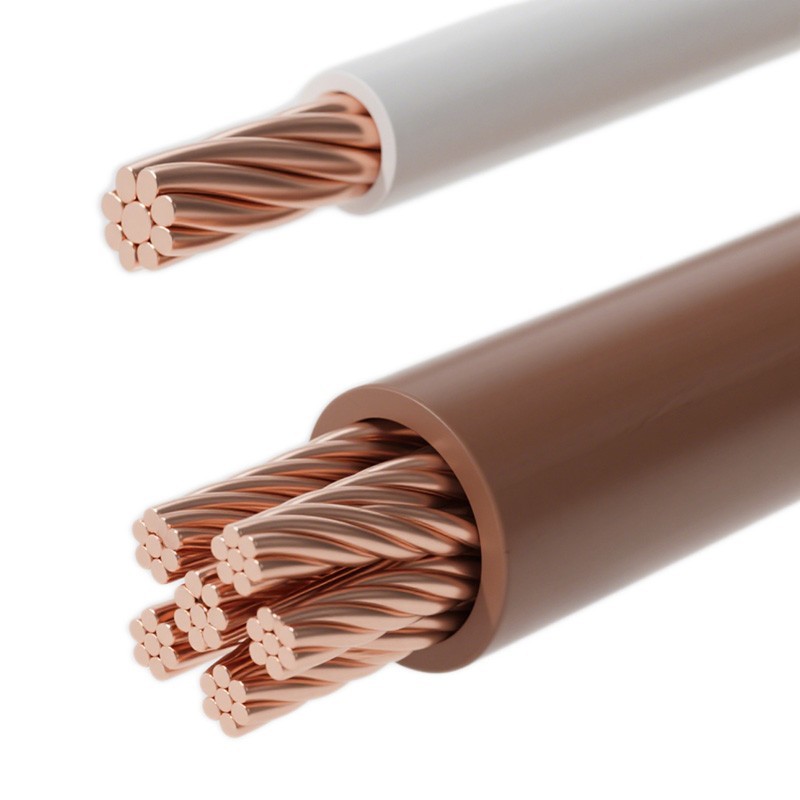
However, the rate of flame propagation in XLPE wire is relatively slow compared to some other types of insulation materials. The cross - linked structure of XLPE acts as a physical barrier, which restricts the movement of the decomposing polymer chains and the release of combustible gases. As a result, the flame has a harder time spreading rapidly.
Factors affecting flame propagation in XLPE wire
- Temperature of the heat source: A higher - temperature heat source will cause the XLPE insulation to decompose more quickly, leading to a faster release of combustible gases and a higher rate of flame propagation. For example, in a high - power electrical short - circuit situation where the temperature can spike to several hundred degrees Celsius, the flame may spread more rapidly along the wire compared to a low - intensity heat source like a small open flame.
- Oxygen concentration: Adequate oxygen is necessary for the combustion of the combustible gases released from the XLPE insulation. In an environment with high oxygen levels, such as in a well - ventilated room, the flame propagation will be more vigorous. Conversely, in an oxygen - deficient environment, the flame may struggle to sustain itself and the propagation rate will be significantly reduced.
- Wire thickness and insulation thickness: Thicker XLPE insulation can provide more resistance to flame propagation. A thicker layer of insulation takes longer to decompose completely, and it also acts as a better barrier to the release of combustible gases. Similarly, a thicker wire core can conduct heat away from the insulation more effectively, reducing the rate of insulation decomposition.
Flame - retardant XLPE wire
To further improve the fire safety of XLPE wire, flame - retardant additives are often incorporated into the XLPE insulation. These additives work in several ways. Some additives release non - combustible gases when heated, which dilutes the combustible gases released from the XLPE and reduces the flammability of the mixture. Others form a protective char layer on the surface of the insulation when exposed to heat. This char layer acts as a barrier, preventing oxygen from reaching the underlying insulation and slowing down the decomposition process.
We offer a range of flame - retardant XLPE wires, such as UL 3817 XLPE Battery Wire, UL3266 Low Smoke Fire Retardant XLPE Wire, and UL3289 XLPE Halogen - Free Electrical Wire. These wires are designed to meet strict fire - safety standards and are suitable for applications where fire risk is a concern, such as in battery systems, building wiring, and industrial electrical installations.
Testing and standards for flame propagation in XLPE wire
There are several international standards for testing the flame - propagation characteristics of electrical wires, including those for XLPE wire. For example, the UL (Underwriters Laboratories) standards in the United States set specific requirements for the flame - resistance and flame - propagation properties of wires. Wires that meet these standards have been rigorously tested to ensure that they will not contribute significantly to the spread of fire in a building or other enclosed space.
Our XLPE wires are tested in accordance with these standards to ensure their quality and safety. We understand the importance of providing our customers with products that meet or exceed industry - recognized safety requirements.
Applications and the importance of understanding flame propagation
In many applications, understanding the flame - propagation characteristics of XLPE wire is essential. In the automotive industry, XLPE wires are used in battery management systems. A fire in a battery system can have catastrophic consequences, so using XLPE wires with good flame - retardant properties and understanding how they will behave in a fire situation is crucial.
In building wiring, XLPE wires are often used for power distribution. In the event of a fire, the flame - propagation characteristics of these wires can determine whether the fire will spread quickly through the building's electrical system or be contained. By choosing the right type of XLPE wire and understanding its flame - related properties, building owners and electrical engineers can enhance the overall fire safety of the building.
Conclusion
In conclusion, the flame - propagation characteristics of XLPE wire are influenced by its cross - linked structure, the presence of combustible gases released during decomposition, and various external factors such as temperature, oxygen concentration, and wire thickness. Flame - retardant additives can significantly improve the fire - safety performance of XLPE wire.
As a supplier of XLPE wire, we are committed to providing high - quality products that meet the strictest fire - safety standards. Our range of UL - listed XLPE wires, including UL 3817 XLPE Battery Wire, UL3266 Low Smoke Fire Retardant XLPE Wire, and UL3289 XLPE Halogen - Free Electrical Wire, offer excellent flame - retardant properties for a variety of applications.
If you are in the market for high - quality XLPE wire and want to discuss your specific requirements, we invite you to contact us for a detailed consultation. Our team of experts is ready to assist you in choosing the right wire for your project and ensuring that it meets all your safety and performance needs.
References
- "Electrical Insulating Materials: Properties and Applications" by John A. Turner
- UL Standards for Electrical Wires and Cables
- Research papers on the thermal decomposition and flame - retardant mechanisms of XLPE polymers.