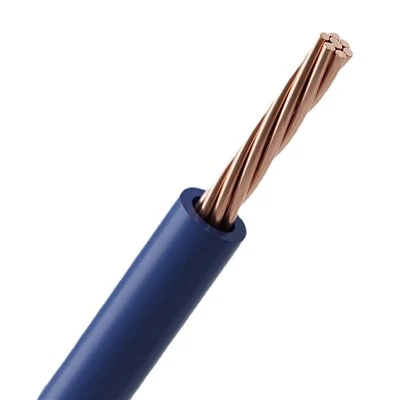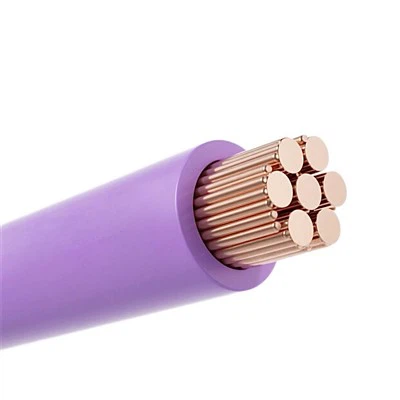

As a supplier of Japanese car wire, I understand the critical role that wires play in the automotive industry. One of the most common issues faced by Japanese car owners and manufacturers is wire abrasion. Abrasion can lead to a variety of problems, including short circuits, electrical failures, and even fires. In this blog post, I will share some effective strategies on how to protect Japanese car wire from abrasion.
Understanding the Causes of Wire Abrasion
Before we delve into the protection methods, it's essential to understand what causes wire abrasion in Japanese cars. There are several factors that can contribute to this problem:
- Vibration: Japanese cars are known for their high - performance engines, which can generate significant vibrations. These vibrations can cause wires to rub against other components in the vehicle, such as metal frames, brackets, or sharp edges, leading to abrasion over time.
- Movement: As the car moves, the wires inside it are also subject to various movements. For example, when the steering wheel is turned, the wires in the steering column may be bent and twisted, increasing the risk of abrasion.
- Environmental Factors: Exposure to harsh environmental conditions, such as extreme temperatures, moisture, and chemicals, can weaken the wire insulation. Once the insulation is damaged, the wire is more susceptible to abrasion.
Types of Japanese Car Wires
There are several types of Japanese car wires available in the market, each with its own characteristics and applications. Some of the commonly used ones include:
- AVS Wire: AVS wire is a single - core wire with a thin insulation layer. It is commonly used in low - voltage electrical systems in Japanese cars, such as interior lighting and dashboard controls.
- AEX Wire: AEX wire is designed for high - temperature applications. It has a heat - resistant insulation material, making it suitable for use near the engine or other high - heat areas in the vehicle.
- AVSS Wire: AVSS wire is a thin - walled wire with excellent flexibility. It is often used in areas where space is limited, such as in the door panels or under the seats.
Strategies to Protect Japanese Car Wire from Abrasion
1. Use Protective Sleeving
One of the most effective ways to protect Japanese car wires from abrasion is to use protective sleeving. There are several types of sleeving available, including:
- Braided Sleeving: Braided sleeving is made of a woven material, usually nylon or polyester. It provides a flexible and durable barrier between the wire and potential abrasion sources. Braided sleeving can be easily installed by sliding it over the wire.
- Spiral Wrap: Spiral wrap is a coiled plastic tubing that can be wrapped around the wire. It is easy to install and remove, making it convenient for maintenance and repairs. Spiral wrap also allows for some flexibility, which is important in areas where the wire needs to move.
- Convoluted Tubing: Convoluted tubing is a corrugated plastic tube that offers excellent protection against abrasion, as well as some degree of impact resistance. It is commonly used in areas where the wire is exposed to rough handling or potential damage.
2. Proper Routing
Proper routing of the wires is crucial to prevent abrasion. When installing or repairing Japanese car wires, make sure to:
- Avoid Sharp Edges: Keep the wires away from sharp edges, such as metal brackets or the edges of panels. If necessary, use edge protectors, such as rubber grommets or plastic edge guards, to prevent the wire from rubbing against these sharp surfaces.
- Secure the Wires: Use cable ties or clamps to secure the wires in place. This will prevent them from moving around and rubbing against other components. Make sure not to overtighten the cable ties, as this can also damage the wire insulation.
- Separate Different Wires: Separate power wires from signal wires to avoid interference and reduce the risk of abrasion. Grouping wires of the same type together can also make it easier to manage and maintain the wiring system.
3. Insulation Repair and Replacement
Regularly inspect the wire insulation for signs of damage. If you notice any cracks, cuts, or other signs of wear, repair or replace the insulation immediately. You can use insulation tape or heat - shrink tubing to repair minor damage. For more severe damage, it may be necessary to replace the entire wire.


4. Environmental Protection
To protect the wires from environmental factors that can contribute to abrasion, consider the following:
- Keep the Wires Dry: Moisture can weaken the wire insulation and make it more susceptible to abrasion. Make sure to keep the wires dry by avoiding areas where water can accumulate, such as under the floor mats or in the trunk. If the wires are exposed to moisture, dry them thoroughly as soon as possible.
- Protect from Chemicals: Some chemicals, such as gasoline, oil, and cleaning agents, can damage the wire insulation. Avoid exposing the wires to these chemicals. If the wires do come into contact with chemicals, clean them immediately with a mild detergent and water.
5. Regular Maintenance
Regular maintenance is essential to ensure the long - term protection of Japanese car wires. During maintenance, check the wires for signs of abrasion, as well as other issues such as loose connections or corrosion. If any problems are found, address them promptly to prevent further damage.
Conclusion
Protecting Japanese car wires from abrasion is crucial for the reliable operation of the vehicle's electrical system. By understanding the causes of abrasion, using the right types of wires, and implementing the strategies mentioned above, you can significantly reduce the risk of wire damage. As a supplier of Japanese car wires, I am committed to providing high - quality products and helping our customers ensure the safety and performance of their vehicles.
If you are interested in purchasing Japanese car wires or have any questions about wire protection, please feel free to contact us for further discussion. We look forward to working with you to meet your automotive wiring needs.
References
- Automotive Wiring Handbook, Third Edition, by William K. Erickson
- Electrical Systems for Automotive Engineers, by Rajesh K. Singh