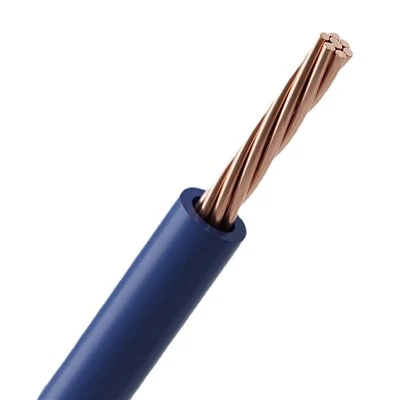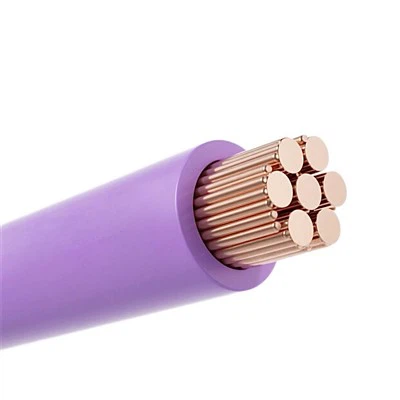

Hey there! As a PVC wire supplier, I often get asked if PVC wire can be used in smart home systems. Well, let's dive right into this topic and find out.
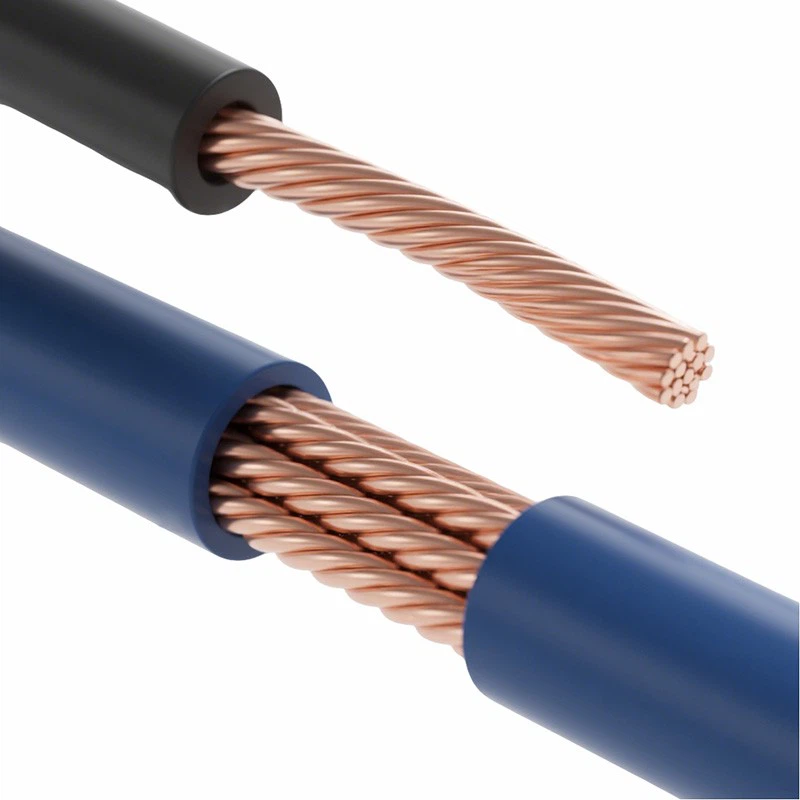
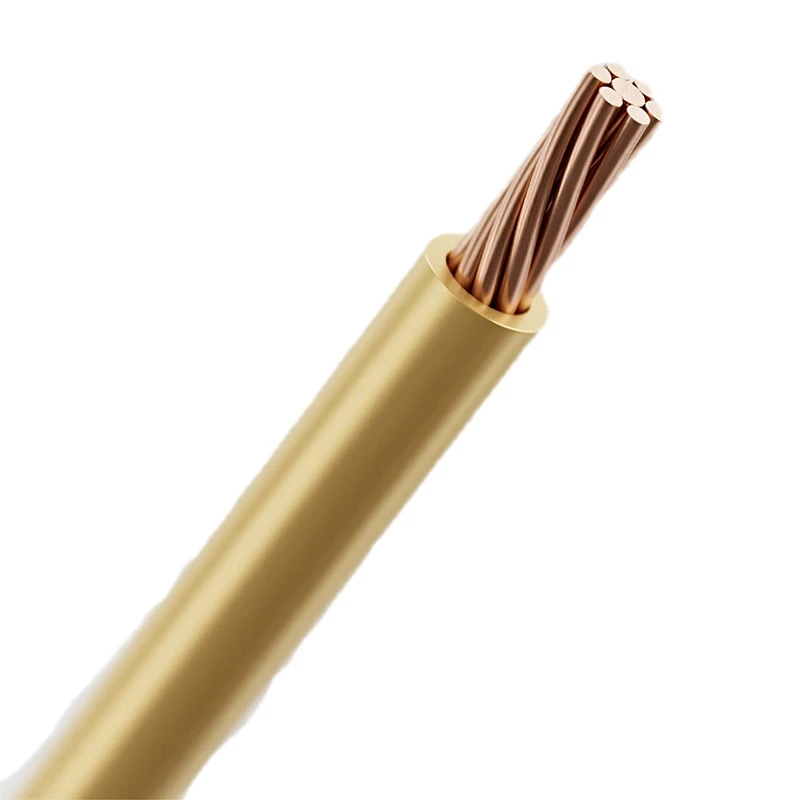
First off, what exactly is PVC wire? PVC stands for polyvinyl chloride, which is a type of plastic. PVC wire is basically an electrical wire with a PVC insulation layer. It's been around for a long time and is widely used in various electrical applications because it's relatively cheap, flexible, and easy to work with.
Now, let's talk about smart home systems. These are the modern setups that allow you to control different aspects of your home, like lighting, heating, and security, using your smartphone or other smart devices. They rely on a network of sensors, controllers, and communication protocols to function smoothly.
So, can PVC wire fit into this high - tech world of smart homes? The answer is yes, and here's why.
Advantages of Using PVC Wire in Smart Home Systems
Cost - effectiveness
One of the biggest selling points of PVC wire is its cost. Smart home systems can be quite expensive, especially when you're outfitting an entire house. PVC wire is much more budget - friendly compared to some other types of wires. This means you can save a significant amount of money on the wiring part of your smart home project. For example, if you're installing a large number of sensors and switches throughout your home, using PVC wire can keep the overall cost down without sacrificing too much in terms of performance.
Flexibility
PVC wire is very flexible. In a smart home, you might need to run wires through tight spaces, around corners, or in areas with irregular shapes. The flexibility of PVC wire makes it easy to install in these challenging environments. You can bend and twist it without worrying about it breaking or losing its electrical conductivity. This is a huge advantage when compared to some stiffer wires that might be difficult to maneuver during installation.
Availability
PVC wire is readily available in the market. You can find it in different gauges and lengths at most hardware stores or electrical supply shops. This means that if you need to add or replace some wires in your smart home system later on, you won't have to wait long to get the right materials. It also gives you the option to choose from a variety of suppliers, which can be great for getting the best deal.
Types of PVC Wires Suitable for Smart Home Systems
There are several types of PVC wires that are well - suited for smart home applications. Two of the most popular ones are UL1007 Wire and UL1015 Wire.
UL1007 Wire
UL1007 wire is a common type of PVC - insulated wire. It's typically used for low - voltage applications, which are very common in smart home systems. For instance, it can be used to connect sensors, such as motion sensors or door/window sensors, to the main control unit. The insulation on UL1007 wire is designed to provide good electrical insulation and protection against environmental factors, like moisture and heat.
UL1015 Wire
UL1015 wire is another great option. It has a thicker insulation layer compared to UL1007 wire, which makes it suitable for higher - voltage applications in smart home systems. You might use UL1015 wire to connect larger devices, like smart thermostats or some types of smart lighting fixtures, that require more power. The thicker insulation also provides better protection against electrical interference, which is important in a smart home where multiple devices are communicating with each other.
Considerations When Using PVC Wire in Smart Home Systems
Temperature Resistance
While PVC wire is generally suitable for most indoor smart home applications, it does have some limitations when it comes to temperature. PVC can start to degrade at high temperatures. In a smart home, some devices, like smart power strips or certain types of lighting, can generate heat. If the PVC wire is placed too close to these heat - generating devices, it could potentially melt or lose its insulation properties. So, it's important to make sure there's enough ventilation around the wires and that they're not in direct contact with hot surfaces.
Fire Safety
Fire safety is always a concern in any electrical installation, and smart home systems are no exception. PVC wire is not as fire - resistant as some other types of wires. However, there are fire - rated PVC wires available, such as UL1569. These wires are designed to meet certain fire safety standards and can be a better choice if you're worried about fire hazards in your smart home. It's always a good idea to consult with a professional electrician to determine the best type of wire for your specific smart home setup.
Signal Interference
In a smart home, many devices communicate wirelessly or through electrical signals. PVC wire can sometimes cause signal interference, especially if it's not properly shielded. This can affect the performance of your smart home devices, causing them to malfunction or have a weaker signal. To minimize signal interference, you can use shielded PVC wire or make sure that the wires are installed in a way that reduces their proximity to other signal - carrying cables.
Real - World Examples of PVC Wire in Smart Home Systems
Let's take a look at a couple of real - world scenarios where PVC wire is used in smart home systems.
Smart Lighting Installation
Imagine you're installing a smart lighting system in your living room. You want to be able to control the lights using your smartphone or a voice - activated assistant. You can use PVC wire, such as UL1007, to connect the smart light switches to the power source and the light fixtures. The flexibility of the PVC wire makes it easy to run the wires through the walls and ceilings, and the cost - effectiveness means you can install multiple switches and fixtures without breaking the bank.
Home Security System
A home security system is another common smart home application. You might have motion sensors, door/window sensors, and a control panel. PVC wire can be used to connect these components together. For example, UL1015 wire can be used to connect the control panel to the power supply, while UL1007 wire can be used to connect the individual sensors. This way, you can create a reliable and cost - effective home security system using PVC wire.
Conclusion
In conclusion, PVC wire can definitely be used in smart home systems. It offers several advantages, such as cost - effectiveness, flexibility, and availability. However, you need to be aware of its limitations, like temperature resistance, fire safety, and signal interference. By choosing the right type of PVC wire, such as UL1007, UL1015, or UL1569, and taking the necessary precautions during installation, you can create a smart home system that works well and is within your budget.
If you're interested in using PVC wire for your smart home project, I'd love to have a chat with you. I can provide you with more information about the different types of PVC wire we offer, their specifications, and how they can best fit your needs. Feel free to reach out for a detailed discussion and to start the procurement process.
References
- Electrical Wiring Handbook, various editions
- Smart Home Technology: A Comprehensive Guide, multiple authors