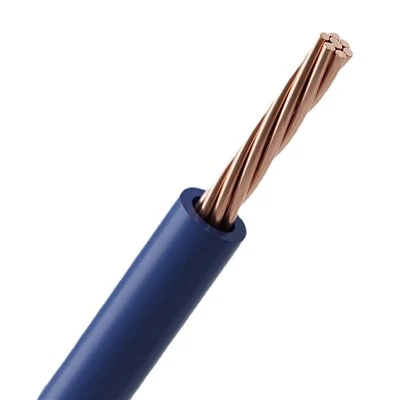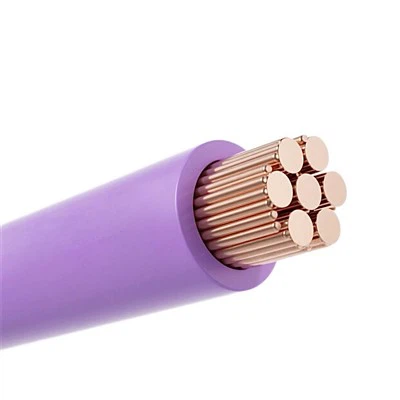

Hey there! As a supplier of FLRY - B Wire, I've seen firsthand how important it is to protect this wire from physical damage. In this blog, I'll share some tips and tricks on how you can keep your FLRY - B Wire in top - notch condition.
First off, let's understand what FLRY - B Wire is. It's a high - quality wire that's often used in automotive applications. You can find more details about it here. Compared to other wires like FLRY - A Wire and German FLX - A Car Wire, FLRY - B Wire has its own unique features and requirements when it comes to protection.


Proper Installation
One of the most important steps in protecting FLRY - B Wire from physical damage is proper installation. When you're installing the wire, make sure to avoid sharp edges. Sharp edges can cut through the wire's insulation over time, leading to short - circuits or other electrical problems. For example, if you're routing the wire through a metal panel, use grommets to protect the wire. Grommets are small rubber or plastic rings that you can insert into holes in the panel. They create a smooth surface for the wire to pass through, reducing the risk of abrasion.
Another thing to keep in mind during installation is to avoid over - bending the wire. FLRY - B Wire has a certain degree of flexibility, but if you bend it too sharply, you can damage the internal conductors. A good rule of thumb is to follow the manufacturer's recommended minimum bend radius. This will ensure that the wire remains intact and functions properly.
Use Protective Sleeves
Protective sleeves are a great way to add an extra layer of protection to your FLRY - B Wire. There are different types of protective sleeves available, such as braided sleeves, corrugated sleeves, and heat - shrink sleeves.
Braided sleeves are made of woven fibers and provide excellent abrasion resistance. They're flexible and can be easily installed over the wire. You can simply slide the braided sleeve over the wire and secure it at both ends. This type of sleeve is ideal for applications where the wire may come into contact with rough surfaces.
Corrugated sleeves, on the other hand, are made of plastic and have a ridged structure. They offer good protection against impact and abrasion. Corrugated sleeves are also easy to install. You can cut them to the desired length and snap them around the wire. They're a popular choice for automotive wiring harnesses.
Heat - shrink sleeves are made of a special plastic material that shrinks when heated. When you heat the sleeve, it conforms tightly to the wire, providing a snug fit. Heat - shrink sleeves not only protect the wire from physical damage but also from moisture and chemicals. They're often used in applications where the wire needs to be protected from harsh environments.
Secure the Wire
Securing the FLRY - B Wire properly is crucial to prevent it from moving around and getting damaged. You can use cable ties, clamps, or brackets to secure the wire.
Cable ties are a simple and cost - effective way to secure the wire. You can wrap the cable tie around the wire and tighten it to hold the wire in place. Make sure not to overtighten the cable tie, as this can damage the wire's insulation.
Clamps are another option for securing the wire. They come in different sizes and shapes and can be used to attach the wire to a surface. For example, you can use a clamp to attach the wire to a metal frame. Clamps provide a more secure hold than cable ties and are ideal for applications where the wire needs to be firmly fixed.
Brackets are used to support the wire and keep it in a specific position. You can mount the bracket on a surface and then place the wire in the bracket. Brackets are often used in applications where the wire needs to be routed in a particular direction.
Regular Inspections
Regular inspections are essential to catch any potential physical damage to the FLRY - B Wire early on. You should inspect the wire periodically for signs of wear and tear, such as cuts, abrasions, or frayed insulation.
During the inspection, pay close attention to areas where the wire is likely to be damaged, such as near sharp edges, at connection points, and in areas where the wire is exposed to vibration. If you notice any damage, you should repair or replace the wire immediately.
Repairing a damaged wire can be done using electrical tape or a splice kit. If the damage is minor, you can simply wrap the damaged area with electrical tape. Make sure to wrap the tape tightly to prevent moisture from getting in. If the damage is more severe, you may need to use a splice kit to connect the broken ends of the wire.
Environmental Protection
The environment in which the FLRY - B Wire is used can also have an impact on its physical condition. For example, if the wire is exposed to extreme temperatures, it can cause the insulation to crack or become brittle. To protect the wire from temperature extremes, you can use insulation materials or install the wire in a temperature - controlled environment.
Moisture is another enemy of the wire. If the wire gets wet, it can lead to corrosion of the conductors and damage to the insulation. To protect the wire from moisture, you can use waterproof sleeves or seal the wire connections. You can also avoid installing the wire in areas where it's likely to get wet, such as near water pipes or in areas prone to flooding.
Chemicals can also damage the wire. If the wire is exposed to chemicals such as oil, gasoline, or solvents, it can dissolve the insulation. To protect the wire from chemicals, you can use chemical - resistant sleeves or avoid installing the wire in areas where it's likely to come into contact with chemicals.
Training and Education
If you're working with a team of people who handle the FLRY - B Wire, it's important to provide them with proper training and education. Make sure they understand the importance of protecting the wire from physical damage and know how to install, secure, and inspect the wire correctly.
Training can include hands - on demonstrations, safety briefings, and written instructions. By educating your team, you can reduce the risk of human error and ensure that the wire is handled properly.
In conclusion, protecting FLRY - B Wire from physical damage requires a combination of proper installation, the use of protective sleeves, secure fastening, regular inspections, environmental protection, and training. By following these tips, you can ensure that your FLRY - B Wire lasts longer and performs better.
If you're interested in purchasing FLRY - B Wire or have any questions about its protection, feel free to reach out for a procurement discussion. We're here to help you get the best out of your wiring solutions.
References
- Automotive Wiring Handbook
- Electrical Installation Guide for Automotive Applications