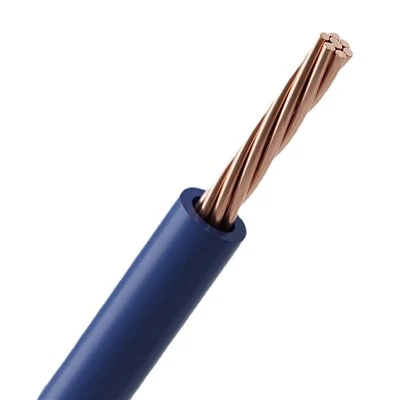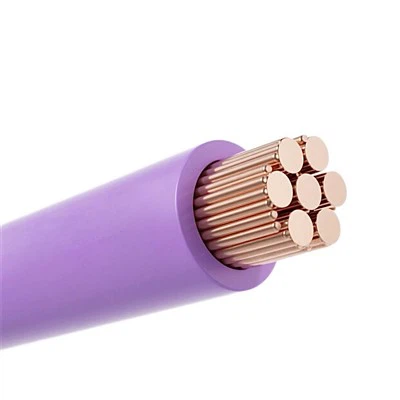

As a supplier of multicore cables, I understand the critical role that these cables play in various industries, from telecommunications to industrial automation. One of the most significant threats to the performance and longevity of multicore cables is moisture. Moisture can cause corrosion, insulation breakdown, and signal interference, leading to costly downtime and repairs. In this blog post, I will share some practical tips on how to protect a multicore cable from moisture, based on my experience in the industry.
Understanding the Risks of Moisture in Multicore Cables
Before we dive into the protection methods, it's essential to understand why moisture is such a problem for multicore cables. Multicore cables consist of multiple conductors bundled together, each insulated to prevent electrical interference. When moisture penetrates the cable, it can compromise the insulation, leading to short circuits and signal degradation. Additionally, moisture can cause corrosion of the conductors, which can weaken the cable and reduce its lifespan.
Moisture can enter a multicore cable through various means, including:
- Condensation: When the temperature of the cable changes rapidly, condensation can form inside the cable, leading to moisture buildup.
- Environmental Exposure: Cables installed in outdoor or humid environments are more susceptible to moisture ingress.
- Improper Installation: If the cable is not installed correctly, moisture can enter through gaps or openings in the cable jacket.
Choosing the Right Cable for Moisture-Prone Environments
The first step in protecting a multicore cable from moisture is to choose the right cable for the application. When selecting a cable, consider the following factors:
- Insulation Material: Look for cables with insulation materials that are resistant to moisture, such as polyethylene (PE) or polyvinyl chloride (PVC). These materials provide a barrier against moisture and help prevent it from reaching the conductors.
- Jacket Material: The cable jacket is the outermost layer of the cable and provides additional protection against moisture. Choose a jacket material that is waterproof and resistant to abrasion, such as polyurethane (PU) or neoprene.
- UL Certification: Look for cables that are certified to meet industry standards, such as UL20276 or UL2919. These certifications ensure that the cable has been tested and meets specific requirements for performance and safety in moisture-prone environments.
Proper Installation Techniques
Proper installation is crucial for protecting a multicore cable from moisture. Here are some tips to ensure a moisture-free installation:
- Seal All Openings: Before installing the cable, make sure to seal all openings, such as cable entry points and splices, with a waterproof sealant. This will prevent moisture from entering the cable through these openings.
- Use Cable Glands: Cable glands are used to secure the cable to the equipment and provide a watertight seal. Make sure to choose cable glands that are suitable for the cable size and the environment in which they will be installed.
- Avoid Sharp Bends: Sharp bends in the cable can damage the insulation and create gaps where moisture can enter. When installing the cable, make sure to avoid sharp bends and maintain a minimum bend radius as specified by the cable manufacturer.
- Elevate the Cable: If possible, elevate the cable above the ground or floor to prevent it from coming into contact with water. This is especially important in outdoor or wet environments.
Regular Maintenance and Inspection
Regular maintenance and inspection are essential for detecting and preventing moisture damage in multicore cables. Here are some tips for maintaining and inspecting your cables:
- Visual Inspection: Regularly inspect the cable for signs of damage, such as cracks, cuts, or abrasions in the jacket. Look for any signs of moisture, such as water droplets or corrosion on the conductors.
- Moisture Testing: Use a moisture meter to test the cable for moisture content. This can help you detect moisture early and take corrective action before it causes significant damage.
- Cleaning: Keep the cable clean and free of dirt, debris, and moisture. Use a dry cloth or a mild cleaning solution to clean the cable, and make sure to dry it thoroughly before reinstalling it.
- Replacement: If you detect any signs of moisture damage or other issues with the cable, replace it immediately. Continuing to use a damaged cable can lead to further problems and potentially cause a safety hazard.
Additional Protection Measures
In addition to the above measures, there are some additional steps you can take to protect a multicore cable from moisture:
- Use Cable Trays or Conduits: Cable trays or conduits can provide an additional layer of protection for the cable, shielding it from moisture and other environmental factors. Make sure to choose cable trays or conduits that are suitable for the cable size and the environment in which they will be installed.
- Install a Dehumidifier: If the cable is installed in an enclosed space, such as a cabinet or a control room, consider installing a dehumidifier to reduce the humidity level. This can help prevent moisture from accumulating inside the cable and causing damage.
- Apply a Moisture Barrier: You can apply a moisture barrier, such as a waterproof tape or a coating, to the cable to provide an additional layer of protection against moisture. Make sure to choose a moisture barrier that is compatible with the cable insulation and jacket materials.
Conclusion
Protecting a multicore cable from moisture is essential for ensuring its performance and longevity. By choosing the right cable, using proper installation techniques, performing regular maintenance and inspection, and taking additional protection measures, you can minimize the risk of moisture damage and keep your cables operating smoothly.


If you are in the market for high-quality multicore cables that are designed to withstand moisture and other environmental factors, please contact us to discuss your requirements. Our team of experts can help you choose the right cable for your application and provide you with the support and guidance you need to ensure a successful installation.
References
- Manufacturer's specifications and installation guides for multicore cables.
- Industry standards and regulations for cable installation and maintenance.
- Technical literature and research on moisture protection in electrical cables.