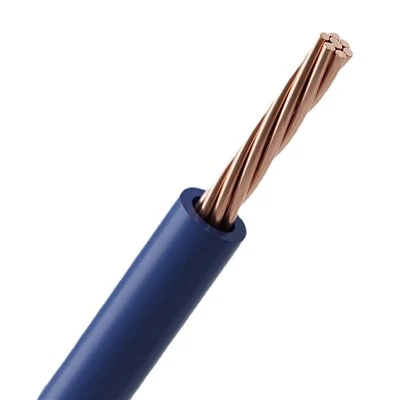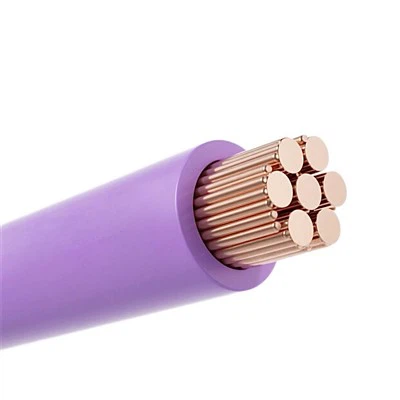

As a seasoned supplier of German car wire, I've witnessed firsthand the critical role that these wires play in the automotive industry. German car wires are renowned for their high - quality, durability, and precision engineering. However, one common issue that can plague both vehicle owners and the automotive industry as a whole is wire short - circuiting. In this blog, I'll share some in - depth insights on how to prevent German car wire from short - circuiting.
Understanding the Basics of Short - Circuiting
Before delving into prevention methods, it's essential to understand what short - circuiting is. A short - circuit occurs when an electrical current takes an unintended path, usually due to a break in the insulation of the wire. This can lead to a sudden increase in current flow, which may cause overheating, damage to electrical components, and even pose a fire hazard.
Quality of the Wire
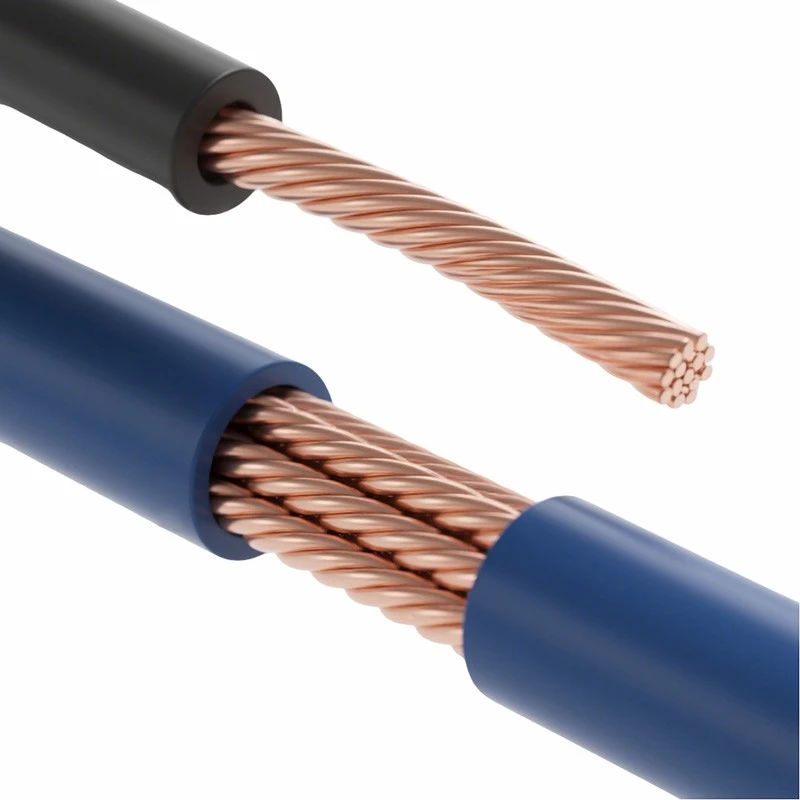
One of the most fundamental steps in preventing short - circuits is to start with high - quality German car wire. At our company, we offer a range of top - notch products such as FLRY - A Wire, FLRY - B Wire, and German FLX - A Car Wire. These wires are manufactured using premium materials and strict quality control measures.
The insulation of our wires is designed to be resistant to abrasion, heat, and chemicals. For example, the insulation on our FLRY - A Wire is made from a special polymer that can withstand high temperatures without degrading. This ensures that the wire maintains its integrity over time, reducing the risk of short - circuits caused by insulation breakdown.
Proper Installation
Even the highest - quality wire can short - circuit if it's not installed correctly. During installation, it's crucial to follow the manufacturer's guidelines precisely. This includes ensuring that the wire is routed properly to avoid sharp edges or areas where it could be pinched.
For instance, when installing German car wires in the engine compartment, it's important to keep them away from moving parts such as belts and pulleys. These moving parts can rub against the wire insulation, gradually wearing it down and leading to a short - circuit. Additionally, wires should be secured using appropriate clamps and fasteners to prevent them from vibrating loose.
Another aspect of proper installation is making sure that connections are tight and secure. Loose connections can create resistance, which in turn generates heat. Over time, this heat can damage the insulation and cause a short - circuit. When making connections, use the correct tools and techniques, such as crimping or soldering, to ensure a reliable electrical connection.
Regular Inspection
Regular inspection of German car wires is a key preventive measure. Vehicle owners and mechanics should visually inspect the wires at regular intervals, looking for signs of damage such as cuts, frays, or burns. Any damaged wires should be replaced immediately to prevent short - circuits.
In addition to visual inspection, electrical testing can also be performed. This involves using a multimeter to check the continuity and resistance of the wires. Abnormal readings can indicate a potential problem, such as a short - circuit or a high - resistance connection.
Protection from Environmental Factors
German car wires are often exposed to a variety of environmental factors that can contribute to short - circuiting. Moisture is one of the most common culprits. Water can seep into the wire insulation, causing corrosion and reducing the effectiveness of the insulation.
To protect against moisture, wires can be coated with a waterproof sealant. This creates a barrier that prevents water from reaching the wire. Additionally, proper drainage systems should be in place in the vehicle to prevent water from pooling around the wires.
Heat is another environmental factor that can damage wire insulation. In the engine compartment, temperatures can reach extremely high levels. To combat this, heat - resistant sleeves can be used to protect the wires. These sleeves are made from materials that can withstand high temperatures, keeping the wire insulation intact.
Avoiding Overloading
Overloading the electrical system is a common cause of short - circuits. Each wire has a specific ampacity, which is the maximum amount of current it can safely carry. If the electrical load exceeds this ampacity, the wire can overheat, leading to insulation damage and a short - circuit.
When adding new electrical components to a vehicle, it's important to calculate the total electrical load and ensure that the existing wiring can handle it. If necessary, upgrade the wire to a larger gauge with a higher ampacity.
Training and Education
For mechanics and automotive technicians, proper training and education are essential in preventing short - circuits. They should be familiar with the latest installation techniques, inspection methods, and safety procedures.
Our company offers training programs for our customers, which cover topics such as wire selection, installation, and maintenance. By providing this training, we aim to ensure that our customers can use our German car wires safely and effectively, reducing the risk of short - circuits.

Conclusion
Preventing German car wire from short - circuiting requires a combination of high - quality products, proper installation, regular inspection, protection from environmental factors, avoiding overloading, and training. As a German car wire supplier, we are committed to providing our customers with the best products and support to ensure the safety and reliability of their vehicles.
If you're interested in purchasing our German car wires or have any questions about preventing short - circuits, please don't hesitate to contact us for procurement discussions. We look forward to working with you to meet your automotive wiring needs.
References
- "Automotive Electrical Systems Handbook"
- "Electrical Wiring Installation Guide for Vehicles"
- Industry reports on automotive wire safety and quality standards.