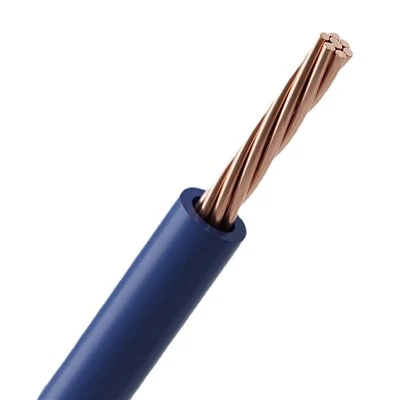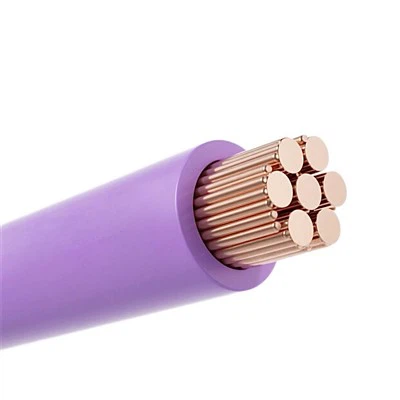

When it comes to wiring solutions in areas prone to high seismic activity, choosing the right type of wire is crucial. As a supplier of XLPE (Cross-Linked Polyethylene) wire, I've witnessed firsthand the importance of this specialized wiring in ensuring electrical safety and reliability under extreme conditions. In this blog post, I'll delve into how XLPE wire performs in high seismic areas, exploring its properties, advantages, and relevant industry standards.
Understanding XLPE Wire
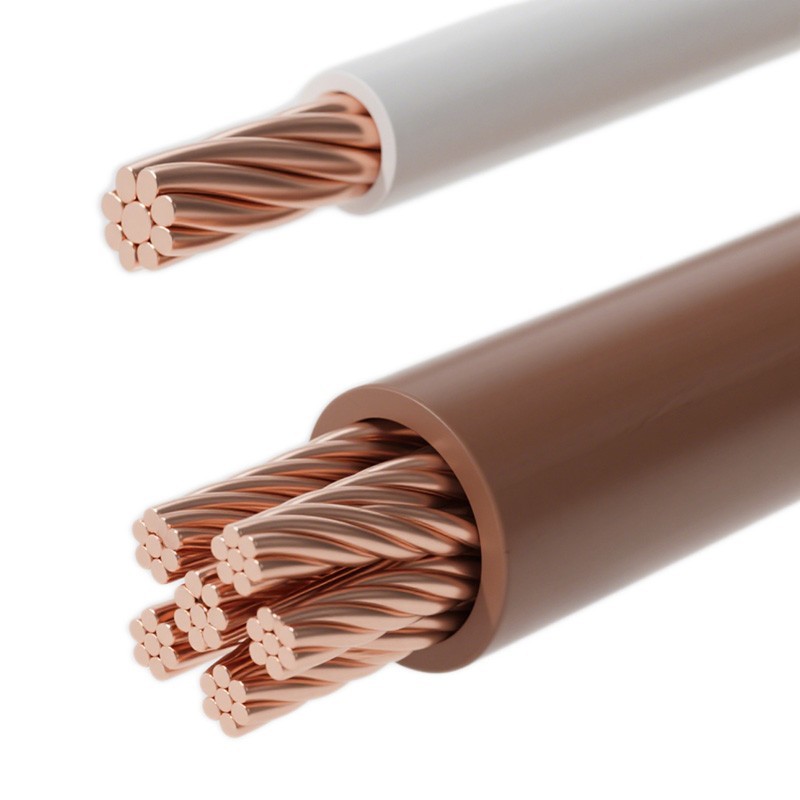
XLPE wire is a type of electrical cable with a cross-linked polyethylene insulation. This insulation material is created through a chemical process that links the polymer chains in the polyethylene, resulting in a more robust and durable material compared to traditional polyethylene insulation. The cross-linking process enhances the wire's resistance to heat, chemicals, and mechanical stress, making it an ideal choice for demanding environments.

Performance in High Seismic Areas
Mechanical Resilience
One of the primary challenges in high seismic areas is the mechanical stress imposed on electrical systems. Earthquakes generate strong vibrations and ground movements that can cause wires to bend, stretch, and even break. XLPE wire's high mechanical strength and flexibility allow it to withstand these forces without significant damage. The cross-linked polyethylene insulation provides excellent resistance to cracking and tearing, ensuring that the wire remains intact during seismic events.
For example, during a recent earthquake in a region where our XLPE wire was installed, the electrical systems remained operational despite the intense ground shaking. The wire's ability to flex and adapt to the movement of the building structure prevented short circuits and electrical failures, minimizing downtime and potential damage.
Thermal Stability
In addition to mechanical stress, seismic events can also lead to temperature fluctuations in electrical systems. Fires and other hazards associated with earthquakes can cause rapid increases in temperature, which can damage traditional wires. XLPE wire, however, has excellent thermal stability, with a high melting point and low thermal expansion coefficient. This means that the wire can maintain its integrity even at elevated temperatures, reducing the risk of fire and electrical malfunctions.
Chemical Resistance
High seismic areas often experience environmental changes, such as the release of chemicals and pollutants during an earthquake. XLPE wire is resistant to a wide range of chemicals, including acids, alkalis, and solvents, which can corrode and damage other types of wires. This chemical resistance ensures that the wire remains protected and functional in harsh environments, extending its lifespan and reducing maintenance costs.
Industry Standards for XLPE Wire
To ensure the quality and performance of XLPE wire in high seismic areas, several industry standards have been established. These standards specify the requirements for wire construction, insulation materials, and testing procedures. As a supplier, we adhere to these standards to provide our customers with reliable and compliant products.
One of the most important standards for XLPE wire is UL3321. This standard covers the requirements for cross-linked polyethylene-insulated, flame-retardant, and moisture-resistant wire for use in building wiring systems. UL3321 ensures that the wire meets strict safety and performance criteria, including resistance to fire, electrical shock, and mechanical damage.
Another relevant standard is UL3266, which applies to cross-linked polyethylene-insulated, flexible cord and cable for use in various applications, including industrial and commercial settings. UL3266 specifies the requirements for wire construction, insulation thickness, and flexibility, ensuring that the wire can withstand the rigors of daily use and seismic events.
UL3173 is also an important standard for XLPE wire, particularly for use in high-temperature and high-voltage applications. This standard covers the requirements for cross-linked polyethylene-insulated, high-voltage power cable, ensuring that the wire can operate safely and efficiently under extreme conditions.
Case Studies
To illustrate the performance of XLPE wire in high seismic areas, let's take a look at some real-world case studies.
Case Study 1: Hospital in a Seismic Zone
A hospital in a high seismic area recently underwent a major electrical system upgrade. The hospital's management was concerned about the reliability of the electrical system during earthquakes, as any downtime could have serious consequences for patient care. Our XLPE wire was selected for the project due to its excellent mechanical and thermal properties.
During a subsequent earthquake, the hospital's electrical system remained fully operational, thanks to the resilience of the XLPE wire. The wire's ability to withstand the ground shaking and temperature fluctuations ensured that critical medical equipment, such as ventilators and monitors, continued to function without interruption. This not only saved lives but also minimized the disruption to the hospital's operations.
Case Study 2: Industrial Facility in an Earthquake-Prone Region
An industrial facility located in an earthquake-prone region was experiencing frequent electrical failures due to the seismic activity. The facility's management decided to replace the existing wiring with our XLPE wire to improve the reliability of the electrical system.
After the installation of the XLPE wire, the facility experienced a significant reduction in electrical failures. The wire's ability to withstand mechanical stress and chemical exposure ensured that the electrical system remained stable during earthquakes and other harsh conditions. This resulted in increased productivity and reduced maintenance costs for the facility.
Conclusion
In conclusion, XLPE wire offers excellent performance in areas with high seismic activity. Its mechanical resilience, thermal stability, and chemical resistance make it an ideal choice for electrical systems in earthquake-prone regions. By adhering to industry standards such as UL3321, UL3266, and UL3173, we ensure that our XLPE wire meets the highest quality and safety requirements.
If you're looking for a reliable wiring solution for your project in a high seismic area, I encourage you to consider our XLPE wire. Our team of experts can provide you with more information about our products and help you choose the right wire for your specific needs. Contact us today to start a conversation about your wiring requirements and explore how our XLPE wire can enhance the safety and reliability of your electrical system.
References
- "Cross-Linked Polyethylene (XLPE) Insulation for Power Cables," IEEE Transactions on Power Delivery.
- "Seismic Design of Electrical Systems in Buildings," American Society of Civil Engineers.
- "UL Standards for Safety: Electrical Wires and Cables," Underwriters Laboratories.