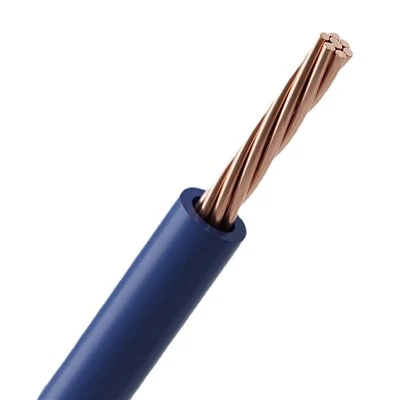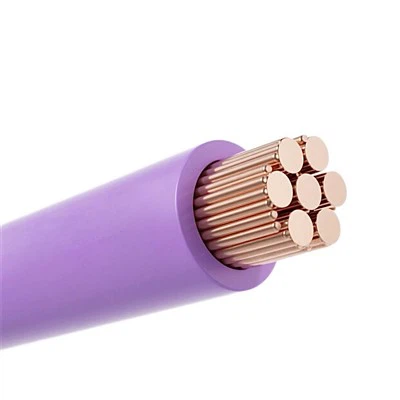

Hey there! I'm a supplier of SXL Wire, and today I wanna chat about whether SXL Wire can be used in hydroelectric power plants. It's a question that comes up quite often, so let's dig into it.
First off, let's understand what SXL Wire is. SXL Wire is a type of automotive wire known for its high - temperature resistance and durability. You can check out more about it here: SXL Wire. It's designed to handle the tough conditions often found in automotive applications. But can it hold up in the unique environment of a hydroelectric power plant?
Hydroelectric power plants are a whole different ballgame compared to automotive settings. These plants generate electricity by harnessing the energy of flowing water. The environment in a hydroelectric power plant is characterized by high humidity, water exposure, and sometimes extreme temperature variations. There's also a lot of electrical equipment that needs reliable wiring to function safely and efficiently.
One of the key factors to consider when using any wire in a hydroelectric power plant is its insulation properties. SXL Wire has a thick cross - linked polyethylene insulation. This insulation is great at protecting the wire from abrasion and providing electrical isolation. In a hydroelectric power plant, where wires might be in contact with various structures and equipment, the abrasion resistance of SXL Wire can be a big plus. It helps prevent the wire from getting damaged, which could lead to short - circuits or other electrical problems.
Another important aspect is the ability to withstand moisture. Since hydroelectric power plants are often near water sources, wires are at risk of getting wet. The insulation of SXL Wire is somewhat resistant to water, but it's not completely waterproof. In areas where there's direct water contact, additional protection like conduit or waterproof enclosures might be necessary. But in dry or semi - dry areas within the power plant, SXL Wire could potentially work well.
Temperature is also a major concern. Hydroelectric power plants can have areas with high temperatures due to the operation of electrical equipment. SXL Wire is rated for high - temperature applications, typically up to 125°C. This means it can handle the heat generated by electrical components without degrading quickly. However, in areas where the temperature exceeds this rating, other types of wires might be more suitable.
Now, let's compare SXL Wire with some other types of wires. For example, TXL Automotive Wire has a thinner insulation compared to SXL Wire. While TXL Wire is lighter and more flexible, it might not be as durable in a power plant environment where there's more potential for abrasion. On the other hand, GXL Wire has a similar insulation thickness to SXL Wire but different temperature ratings. GXL Wire is rated for up to 125°C as well, but its insulation properties might vary slightly.
When it comes to installation, SXL Wire is relatively easy to work with. It's flexible enough to be bent and routed around equipment and structures in a power plant. However, proper installation techniques are crucial. Wires need to be secured properly to prevent movement, which could cause abrasion over time. They also need to be installed in a way that allows for easy inspection and maintenance.
In terms of cost, SXL Wire can be a cost - effective option for some parts of a hydroelectric power plant. Its durability means that it might not need to be replaced as often as some other types of wires. But the overall cost also depends on the quantity needed and the installation requirements.


So, can SXL Wire be used in hydroelectric power plants? The answer is it depends. In areas where the conditions are relatively dry, the temperature is within its rating, and there's a need for abrasion - resistant wire, SXL Wire can be a viable choice. But in areas with direct water exposure or extremely high temperatures, it might need to be used in combination with other protective measures or replaced with more suitable wires.
If you're considering using SXL Wire in your hydroelectric power plant project, I'd be more than happy to have a chat with you. I can provide more detailed information about the wire's specifications, help you determine if it's the right fit for your specific needs, and discuss pricing and delivery options. Whether you're in the planning phase or already in the middle of a project, reaching out to me can give you the insights you need to make an informed decision.
In conclusion, SXL Wire has some features that make it potentially useful in hydroelectric power plants, but careful consideration of the plant's environment and requirements is essential. Don't hesitate to get in touch if you have any questions or want to discuss a potential purchase.
References:
- General knowledge of electrical wiring in power plants and automotive applications.
- Product specifications of SXL, TXL, and GXL wires.