
As a supplier of QVR Wire, I often receive inquiries from customers about the compatibility of QVR Wire with wireless cameras. This is a crucial question, especially in today's era of advanced surveillance technology where the integration of different components is key to achieving efficient and reliable systems. In this blog, I'll delve into the technical aspects, practical considerations, and potential benefits of using QVR Wire with wireless cameras to provide a comprehensive answer.
Technical Analysis of QVR Wire
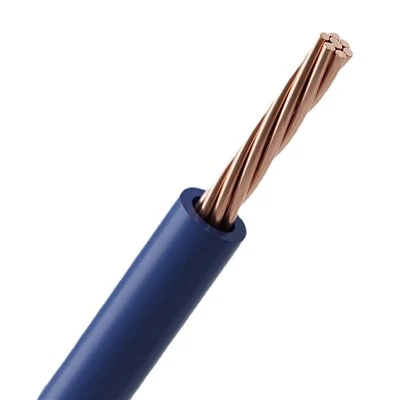
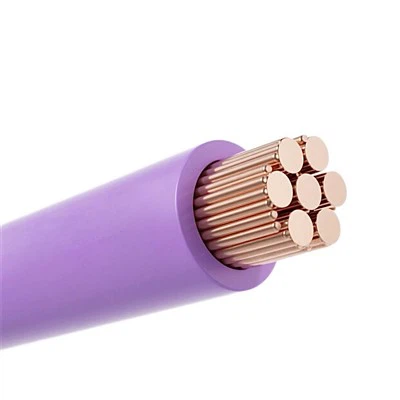
First, let's understand what QVR Wire is. QVR PVC Insulated High Temperature Car Wire is well - known for its high - temperature resistance and PVC insulation. These characteristics make it an ideal choice for various electrical applications, including automotive and surveillance setups. The high - temperature resistance ensures that the wire can function properly even in environments with elevated temperatures, while the PVC insulation provides good protection against electrical interference and mechanical damage.
When it comes to wireless cameras, the main function of the wire in most cases is to provide power rather than transmit data wirelessly. Wireless cameras are designed to send video and other data over the air using Wi - Fi, Bluetooth, or other wireless protocols. So, the focus of using QVR Wire with a wireless camera lies in its power - delivery capabilities.
QVR Wire has a stable electrical conductivity, which is essential for delivering a consistent power supply to the wireless camera. A stable power supply is crucial for the camera to operate smoothly and avoid issues such as image freezing, disconnection, or abnormal shutdowns. Fluctuations in power can damage the sensitive electronic components of the wireless camera and affect its overall performance and lifespan.
Compatibility Considerations
Power Requirements
Before using QVR Wire with a wireless camera, it's necessary to check the power requirements of the camera. Different wireless cameras may have different voltage and current requirements. You need to ensure that the QVR Wire can carry the required current and that the power source connected to the wire can provide the appropriate voltage. For example, if a wireless camera requires a 12V power supply, the power source and the wire should be able to support this voltage level. QVR Wire is available in different gauges, and choosing the right gauge is crucial to ensure it can handle the current demand without overheating. Thicker wires generally can carry more current, and choosing the wrong gauge may lead to power loss and potential safety hazards.
Mounting and Installation
The physical installation of the QVR Wire with the wireless camera also needs careful consideration. Wireless cameras are often designed to be installed in various locations, such as outdoors on walls, ceilings, or poles. The wire should be installed in a way that doesn't interfere with the camera's wireless signal transmission. It's important to avoid running the wire too close to the camera's antenna, as this may cause electromagnetic interference and affect the camera's wireless performance. Additionally, the wire should be securely mounted to prevent it from being damaged by external factors such as wind, rain, or accidental impact. In outdoor installations, you may need to use appropriate conduit or protective sheaths to protect the wire from environmental elements.
Benefits of Using QVR Wire with Wireless Cameras
Reliability
One of the significant benefits of using QVR Wire is its reliability. As mentioned earlier, its high - temperature resistance and good insulation make it less likely to fail due to harsh environmental conditions. This reliability ensures that the wireless camera can receive a stable power supply continuously, reducing the risk of system failures and improving the overall reliability of the surveillance system. For example, in industrial environments where temperatures can be extremely high, QVR Wire can maintain its performance and provide a consistent power source to the wireless cameras, ensuring continuous monitoring.
Durability
QVR Wire is also highly durable. Its PVC insulation provides robust protection against abrasion, moisture, and chemical corrosion. This means that the wire can withstand long - term use in different environments without significant degradation. In a surveillance system, where cameras are often installed for long - term monitoring, using a durable wire like QVR Wire can reduce the need for frequent replacements and maintenance, saving both time and cost.
Comparison with Other Wires
There are other types of wires available in the market, such as QFR Chinese Standard Low Voltage Wire and QB - C Automotive Wire. While these wires also have their own advantages, QVR Wire has some unique features that make it a better choice for powering wireless cameras.
QFR Chinese Standard Low Voltage Wire is mainly designed for low - voltage applications, and its temperature resistance may not be as high as that of QVR Wire. In high - temperature environments, QVR Wire can perform more stably, ensuring a reliable power supply to the wireless camera.


QB - C Automotive Wire is also commonly used in automotive applications, but its insulation properties and overall construction may not be as well - suited for the long - term outdoor use that is often required for wireless camera installations. QVR Wire's PVC insulation provides better protection against environmental factors, making it more resistant to damage over time.
Practical Examples
Let's consider a real - life scenario where using QVR Wire with a wireless camera can be beneficial. Suppose you are installing a wireless surveillance system in a large industrial warehouse. The warehouse has a high - temperature environment, especially near some of the machinery. Using QVR Wire to power the wireless cameras ensures that the cameras can operate stably even in the high - temperature areas.
The stable power supply provided by QVR Wire eliminates the risk of camera malfunctions due to power fluctuations. The cameras can then continuously monitor the activities in the warehouse, providing real - time security and surveillance. This not only helps in preventing theft and damage but also allows for efficient management of the warehouse operations.
Conclusion and Call to Action
In conclusion, yes, you can use QVR Wire with a wireless camera. QVR Wire offers stable power delivery, reliability, and durability, which are essential for the proper functioning of wireless cameras, especially in challenging environments. Whether it's an industrial setting, a commercial building, or a residential area, QVR Wire can provide the power support needed to keep your wireless cameras working optimally.
If you are interested in purchasing QVR Wire for your wireless camera projects or have any technical questions, please feel free to contact us. We are more than happy to provide you with detailed product information, professional technical support, and competitive pricing. Let's work together to build a reliable and efficient surveillance system.
References
- Electrical Wiring Handbook, various editions
- Industry reports on surveillance system components
- Manufacturer's specifications for QVR Wire, QFR Chinese Standard Low Voltage Wire, and QB - C Automotive Wire