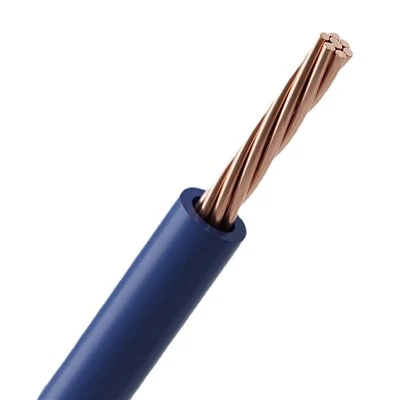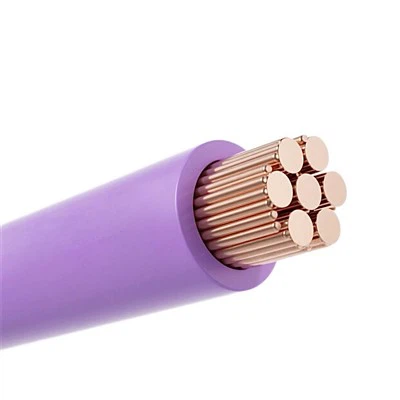

As a supplier of QB - B Wire, I'm excited to share with you the detailed production process of this high - quality wire. QB - B Wire, also known as QB - B Automotive Wire, is widely used in the automotive industry due to its excellent electrical conductivity, durability, and resistance to various environmental factors.
Raw Material Selection
The production of QB - B Wire starts with the careful selection of raw materials. The core of the wire is typically made of high - purity copper. Copper is chosen for its outstanding electrical conductivity, which ensures efficient transmission of electrical signals. We source our copper from trusted suppliers who can guarantee its high quality and purity.
For the insulation layer, we use specialized polymer materials. These polymers are engineered to provide excellent insulation properties, protecting the copper core from short - circuits and external interference. They also offer good resistance to heat, chemicals, and abrasion, which are crucial in automotive applications where the wire may be exposed to harsh conditions.
Copper Rod Drawing
Once the raw copper is received, the first step in the wire production is the copper rod drawing process. The large - diameter copper rods are fed into a series of drawing dies. These dies gradually reduce the diameter of the copper rod to the desired size for the QB - B Wire. During this process, the copper is cold - worked, which not only reduces its diameter but also improves its mechanical properties, such as tensile strength.
The drawing process is carefully controlled to ensure uniform diameter and smooth surface finish of the copper wire. Any irregularities in the wire diameter can affect its electrical performance, so we use advanced measuring equipment to monitor the diameter at regular intervals.
Annealing
After the drawing process, the copper wire undergoes an annealing treatment. Annealing is a heat - treatment process that relieves the internal stresses generated during the cold - drawing process. It also restores the ductility of the copper wire, making it more flexible and easier to handle.
The copper wire is heated to a specific temperature in an annealing furnace and then slowly cooled. The exact temperature and cooling rate depend on the specific requirements of the QB - B Wire. This process is critical for ensuring the long - term stability and performance of the wire.
Insulation Extrusion
Once the copper wire is ready, it's time to apply the insulation layer. The insulation extrusion process involves feeding the copper wire through an extruder. Inside the extruder, the polymer insulation material is melted and then forced through a die around the copper wire. This forms a continuous and uniform insulation layer around the copper core.
The extrusion process is highly precise. The temperature, pressure, and speed of the extruder are carefully controlled to ensure that the insulation layer has the correct thickness and quality. We use high - quality extrusion equipment and advanced control systems to achieve accurate and consistent results.
During the extrusion process, we also add various additives to the polymer material. These additives can enhance the insulation's performance, such as improving its flame retardancy, resistance to UV radiation, and chemical resistance. For example, in automotive applications, the wire may be exposed to engine oil, coolant, and other chemicals, so the insulation needs to be resistant to these substances.
Quality Control
Quality control is an integral part of the QB - B Wire production process. At every stage of production, from raw material inspection to the final product testing, we implement strict quality control measures.
We conduct a series of tests on the raw materials to ensure their compliance with our quality standards. For the copper wire, we test its electrical conductivity, tensile strength, and diameter. For the insulation material, we test its dielectric strength, insulation resistance, and chemical resistance.
During the production process, we use in - line monitoring systems to detect any defects in the wire. For example, we use optical inspection systems to detect surface defects on the insulation layer, and we use electrical testing equipment to monitor the electrical properties of the wire in real - time.
After the production is completed, the finished QB - B Wire is subjected to a comprehensive final inspection. We test the wire's electrical performance, mechanical properties, and environmental resistance. Only the wires that pass all the tests are packaged and shipped to our customers.
Comparison with Other Wires
QB - B Wire has several advantages over other types of automotive wires. For example, compared with QB - C Automotive Wire, QB - B Wire has a different insulation material and structure, which makes it more suitable for certain applications. QB - C Automotive Wire may be designed for higher - voltage applications or more extreme environmental conditions, while QB - B Wire is often used in general automotive electrical systems.
Another type of wire in our product line is the QFR Low Voltage Wire. QFR Low Voltage Wire is mainly used for low - voltage electrical circuits in vehicles. In contrast, QB - B Wire can handle a wider range of voltages and is more versatile in automotive applications.
Packaging and Shipping
Once the QB - B Wire passes the final inspection, it is carefully packaged. We use high - quality packaging materials to protect the wire during transportation and storage. The wire is usually wound on spools or coils, and then placed in protective boxes or containers.
We work with reliable shipping partners to ensure timely and safe delivery of the QB - B Wire to our customers. We also provide detailed product documentation, including product specifications, test reports, and installation instructions, to help our customers use the wire correctly.
Conclusion
The production process of QB - B Wire is a complex and highly - controlled process that involves multiple steps, from raw material selection to final product testing. Each step is crucial for ensuring the high quality and performance of the wire.
As a supplier, we are committed to providing our customers with the best - quality QB - B Wire. Our strict quality control measures and advanced production technology ensure that our wire meets the highest industry standards.


If you are interested in purchasing QB - B Wire or have any questions about our products, please feel free to contact us for further discussion. We look forward to establishing long - term business relationships with you.
References
- "Handbook of Electrical and Electronic Insulating Materials"
- "Automotive Electrical Systems Design and Analysis"
- Industry standards and guidelines related to automotive wire production.