
Hey there! As a supplier of SXL Wire, I often get asked about the phase velocity of SXL Wire. So, I thought I'd take a few minutes to break it down for you.
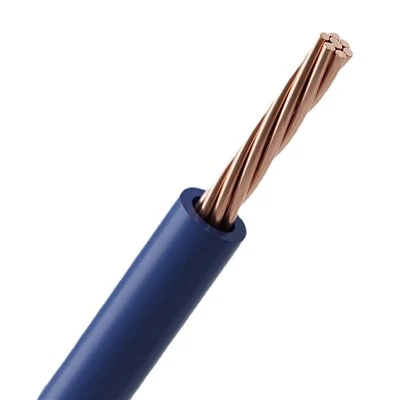
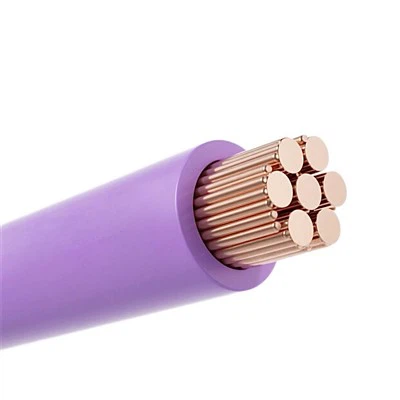
First off, let's talk a bit about what SXL Wire is. SXL Wire is a type of automotive wire that's known for its high - temperature resistance and durability. It's commonly used in automotive applications where wires are exposed to harsh conditions. You can find more details about SXL Wire on this page: SXL Wire.
Now, onto the phase velocity. Phase velocity is basically the speed at which a particular phase of a wave travels through a medium. In the context of SXL Wire, we're talking about electrical waves. When an electrical signal is sent through the wire, it propagates as a wave, and the phase velocity tells us how fast a specific point on that wave (like a peak or a trough) moves along the wire.
The phase velocity of SXL Wire depends on a few factors. One of the main factors is the dielectric constant of the insulation material around the wire. SXL Wire typically has a specific type of insulation that's designed to handle high temperatures. The dielectric constant of this insulation affects how the electrical wave propagates through the wire. A lower dielectric constant generally allows for a higher phase velocity.
Another factor is the geometry of the wire. The diameter of the conductor and the thickness of the insulation can also influence the phase velocity. A thinner insulation and a well - designed conductor can lead to a more efficient propagation of the electrical wave, thus potentially increasing the phase velocity.
Let's compare SXL Wire with some other types of automotive wires. For example, TXL Automotive Wire is another popular option. TXL wire has a thinner wall insulation compared to SXL wire. This difference in insulation thickness can result in different phase velocities. TXL wire might have a slightly higher phase velocity in some cases because the thinner insulation has a different dielectric property and less interference with the electrical wave.
Then there's TWP Wire. TWP wire is often used in applications where flexibility is a key requirement. Its construction and insulation characteristics are different from SXL wire, which also means its phase velocity will vary. TWP wire's phase velocity can be affected by its unique design, which is optimized for flexibility rather than high - speed signal propagation like in some high - performance applications.
To measure the phase velocity of SXL Wire accurately, we use specialized equipment. We send a known electrical signal through the wire and measure the time it takes for the signal to travel a certain distance. By knowing the distance and the time, we can calculate the phase velocity. This process requires precision and careful calibration of the measuring equipment to get reliable results.
In practical applications, understanding the phase velocity of SXL Wire is crucial. In automotive electronics, where signals need to be transmitted quickly and accurately, the phase velocity can impact the overall performance of the system. For example, in a vehicle's engine control unit, where multiple sensors and actuators are communicating with each other through wires, a consistent and appropriate phase velocity ensures that the signals are received and processed in a timely manner.
If you're involved in the automotive industry or any other field that requires high - quality wiring, you might be wondering how to choose between SXL Wire and other options based on phase velocity. Well, it depends on your specific needs. If you're working on a project that demands high - speed signal transmission and can tolerate higher temperatures, SXL Wire could be a great choice. Its phase velocity, when optimized for your application, can provide reliable and fast signal propagation.
On the other hand, if flexibility is your top priority and you don't necessarily need the highest phase velocity, TWP Wire might be more suitable. And if you're looking for a balance between thin insulation and decent performance, TXL Automotive Wire could be worth considering.
As a supplier, I've seen firsthand how important it is to provide customers with accurate information about the products. That's why I'm sharing all this about the phase velocity of SXL Wire. Whether you're an engineer designing a new automotive system or a technician looking to replace some wires, having a good understanding of phase velocity can help you make an informed decision.


If you're interested in learning more about SXL Wire or are thinking about making a purchase, I'd love to have a chat with you. We can discuss your specific requirements, and I can help you figure out if SXL Wire is the right fit for your project. You can reach out to start a conversation about procurement and see how we can work together to meet your wiring needs.
References
- Textbooks on electrical engineering and electromagnetic theory
- Industry - specific research papers on automotive wiring