


Hey there! As an automotive wire supplier, I've been getting a lot of questions lately about how our wires perform in high - temperature environments. So, I thought I'd take some time to break it down for you.
First off, let's talk about why high - temperature performance matters in automotive wires. In a car, there are a bunch of components that generate a ton of heat. The engine, for example, can get really hot. And if the wires running through the engine bay or other hot areas can't handle the heat, it can lead to all sorts of problems. Wires might start to melt, their insulation can break down, and that can cause short circuits, electrical failures, and even pose a fire risk.
One of the key factors that affect how an automotive wire performs in high - temperature environments is the type of insulation it has. Different insulation materials have different temperature ratings. For instance, some of our wires use PVC (Polyvinyl Chloride) insulation. PVC is a common choice because it's relatively inexpensive and offers decent electrical insulation. However, its temperature resistance isn't the best. PVC - insulated wires typically have a maximum operating temperature of around 80 - 105°C. If the temperature goes above that for an extended period, the PVC can start to become brittle, crack, and lose its insulating properties.
On the other hand, we also offer wires with cross - linked polyethylene (XLPE) insulation. XLPE is a much more heat - resistant material. It can handle temperatures up to 125°C or even higher in some cases. This makes it a great choice for areas in the car where the temperature is likely to be high, like near the exhaust system or in the engine compartment. XLPE - insulated wires are more durable in high - temperature environments, and they're less likely to break down over time.
Now, let's take a look at some of our specific wire products and how they perform in the heat.
The FLRY-B Wire is one of our top - sellers. This wire is designed to meet the high - standards of German car manufacturers. It uses a special type of insulation that can withstand high temperatures. The FLRY - B wire has a high - temperature rating, which means it can operate reliably in hot conditions. Whether it's in a high - performance sports car or a luxury sedan, this wire can handle the heat generated by the engine and other components. It's also very flexible, which makes it easy to install in tight spaces within the vehicle.
Another great option is the QB-B Wire. This wire complies with ISO standards, which means it meets international quality and performance requirements. The QB - B wire has excellent heat resistance. Its insulation is engineered to resist degradation at high temperatures. This wire is often used in a wide range of automotive applications, from commercial vehicles to passenger cars. It provides a stable electrical connection even when the temperature around it is soaring.
The AVS Wire is popular for Japanese car models. It's known for its high - quality construction and good performance in high - temperature environments. The AVS wire has a thin but durable insulation layer that can handle heat well. It's also designed to be lightweight, which is important for fuel - efficient vehicles. Japanese car manufacturers often prioritize both performance and weight reduction, and the AVS wire fits the bill perfectly.
When it comes to testing our wires in high - temperature environments, we have a strict process. We use specialized testing equipment to simulate the high - temperature conditions that the wires might encounter in a real - world automotive setting. We expose the wires to different temperature levels for extended periods and monitor their performance. We check for things like changes in electrical resistance, insulation integrity, and mechanical properties. Only after passing these rigorous tests do we approve our wires for sale.
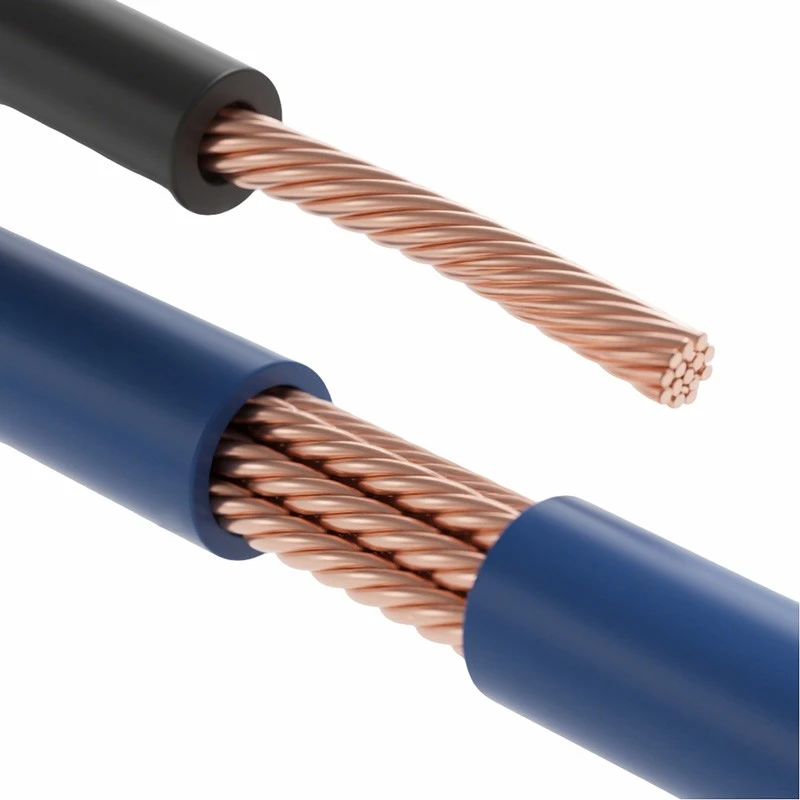
In addition to the insulation material, the conductor of the wire also plays a role in high - temperature performance. Most of our automotive wires use copper conductors. Copper is an excellent conductor of electricity, and it also has good thermal conductivity. This means that it can dissipate heat effectively. However, at very high temperatures, copper can start to oxidize, which can increase its electrical resistance. To prevent this, we use special coatings on our copper conductors. These coatings protect the copper from oxidation and ensure that the wire maintains its electrical performance even in hot conditions.
So, if you're in the market for automotive wires that can perform well in high - temperature environments, you've come to the right place. We've got a wide range of options to suit different needs and applications. Whether you're a car manufacturer looking for reliable wires for your production line or a mechanic in need of high - quality replacement wires, we can help.

If you're interested in learning more about our products or have any questions about how our wires perform in high - temperature situations, don't hesitate to get in touch. We're always happy to have a chat and discuss your specific requirements. We can provide you with detailed product information, samples, and pricing. Just reach out, and let's start a conversation about how we can meet your automotive wire needs.
References:
- Automotive Wiring Handbook, various industry publications on automotive electrical systems.



