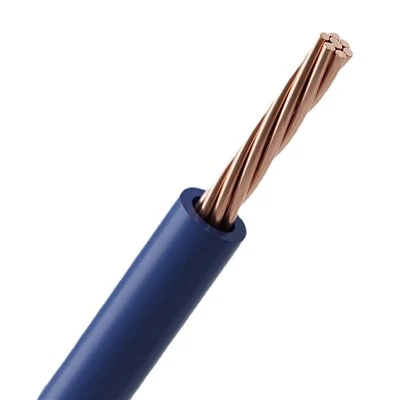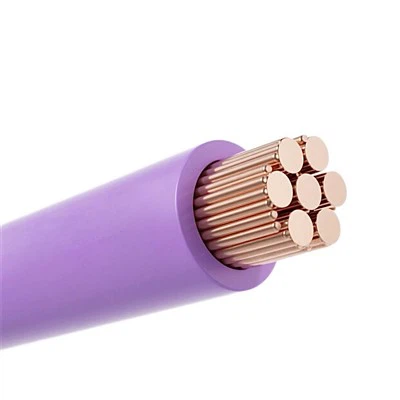

As a supplier of German FLX - A Car Wire, I often receive inquiries about various technical specifications of our product. One of the most frequently asked questions is about the maximum bending radius of German FLX - A Car Wire. In this blog, I will delve into this topic in detail, providing you with scientific and reasonable information.
Understanding the Importance of Bending Radius
Before we discuss the maximum bending radius of German FLX - A Car Wire, it's essential to understand why the bending radius matters. In automotive applications, wires are often routed through tight spaces, around corners, and along complex paths. If the wire is bent too sharply, it can lead to several problems. Firstly, excessive bending can cause mechanical stress on the wire, which may result in the insulation cracking or the conductor breaking over time. This can lead to electrical shorts, intermittent connections, or complete failure of the electrical system in the vehicle. Secondly, a sharp bend can also affect the electrical performance of the wire. It may increase the resistance of the conductor, leading to power loss and potential overheating.
Factors Affecting the Maximum Bending Radius
Several factors influence the maximum bending radius of German FLX - A Car Wire.
Conductor Material and Construction
The type of conductor material used in the wire plays a significant role. Copper is a commonly used conductor material in automotive wires due to its excellent electrical conductivity. The way the copper is constructed, such as solid or stranded, also affects the bending radius. Stranded conductors are generally more flexible than solid conductors and can tolerate smaller bending radii. German FLX - A Car Wire typically uses high - quality stranded copper conductors, which allows for better flexibility compared to some other types of wires.
Insulation Material
The insulation material of the wire is another crucial factor. Different insulation materials have different levels of flexibility and mechanical properties. For German FLX - A Car Wire, we use advanced insulation materials that are designed to be both durable and flexible. These materials can withstand bending without cracking or losing their insulating properties. The thickness of the insulation also matters. A thicker insulation may require a larger bending radius to prevent damage.
Wire Diameter
The diameter of the wire is directly related to its maximum bending radius. Generally, larger - diameter wires require a larger bending radius. This is because a larger wire has more mass and stiffness, and bending it too sharply can cause more significant mechanical stress. German FLX - A Car Wire comes in various diameters to meet different electrical load requirements, and each diameter has its own recommended maximum bending radius.
Determining the Maximum Bending Radius of German FLX - A Car Wire
Based on our extensive testing and industry standards, the maximum bending radius of German FLX - A Car Wire is typically specified as a multiple of the wire's outer diameter. For most applications, the maximum bending radius is around 5 - 10 times the outer diameter of the wire. However, this can vary depending on the specific type and size of the wire.
For example, for smaller - diameter German FLX - A Car Wire used in low - current applications, the maximum bending radius may be closer to 5 times the outer diameter. This is because these wires are more flexible and can tolerate sharper bends. On the other hand, larger - diameter wires used for high - current applications may have a maximum bending radius of up to 10 times the outer diameter to ensure the integrity of the wire.
It's important to note that these are general guidelines, and in some cases, more specific requirements may apply. For instance, if the wire is exposed to extreme temperatures, vibrations, or other harsh environmental conditions, a larger bending radius may be necessary to prevent premature failure.


Comparison with Other Similar Wires
To give you a better understanding of the flexibility of German FLX - A Car Wire, let's compare it with some other similar wires in the market.
The FL9Y - A Car Wire is another type of automotive wire. While it shares some similarities with German FLX - A Car Wire, its maximum bending radius may be slightly different due to differences in conductor material, insulation, and construction. In general, German FLX - A Car Wire offers better flexibility and a smaller maximum bending radius, which makes it more suitable for applications where tight routing is required.
Another wire, the FLR9Y - A Wire, is also used in automotive electrical systems. However, German FLX - A Car Wire has been engineered to meet the highest standards of flexibility and durability. Our wire can withstand more severe bending conditions without compromising its electrical and mechanical properties.
Practical Applications and Installation Tips
In automotive manufacturing and repair, proper installation of German FLX - A Car Wire is crucial to ensure its long - term performance. When routing the wire, always follow the recommended maximum bending radius. Use appropriate tools such as wire benders or cable guides to help achieve the correct bend. Avoid using sharp objects or excessive force when bending the wire, as this can damage the insulation and conductor.
If you need to make multiple bends in the wire, space them out evenly to distribute the mechanical stress. Also, make sure to secure the wire properly using cable ties or clips to prevent it from moving or vibrating, which can also cause damage over time.
Conclusion
In conclusion, the maximum bending radius of German FLX - A Car Wire is an important technical specification that affects its performance and reliability in automotive applications. By understanding the factors that influence the bending radius and following the recommended guidelines, you can ensure the proper installation and long - term use of our wire.
As a supplier of German FLX - A Car Wire, we are committed to providing high - quality products and excellent technical support. If you have any further questions about the maximum bending radius or other aspects of our wire, or if you are interested in purchasing German FLX - A Car Wire for your automotive projects, please feel free to contact us for procurement and negotiation. We look forward to working with you to meet your automotive wiring needs.
References
- Automotive Wiring Handbook, various editions
- Industry standards for automotive electrical wiring