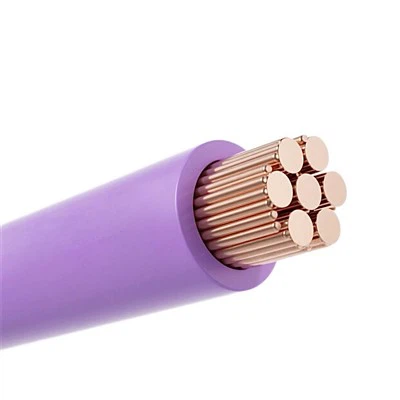

As a PVC wire supplier, I often encounter inquiries from customers about the cost comparison between PVC wires and other types of wires. This topic is crucial as cost is a significant factor in any electrical project, whether it's a small DIY task or a large - scale industrial installation. In this blog, I'll delve into the cost aspects of PVC wires in comparison with other common wires in the market.
Understanding PVC Wires
PVC (Polyvinyl Chloride) wires are widely used in various electrical applications due to their excellent insulation properties, flexibility, and durability. They are available in different specifications such as UL1569, UL1015 Wire, and UL1007 Wire. These UL - rated wires meet specific safety and performance standards, which makes them a reliable choice for many electrical systems.
Cost Factors of PVC Wires
The cost of PVC wires is influenced by several factors. Firstly, the raw material cost plays a major role. PVC resin, which is the main component of the insulation layer, has its own market price fluctuations. When the price of PVC resin goes up, the cost of manufacturing PVC wires also increases.
Secondly, the manufacturing process affects the cost. Producing high - quality PVC wires requires advanced equipment and strict quality control. For example, to ensure the uniform thickness of the insulation layer and the proper conductivity of the copper core, manufacturers need to invest in precision machinery and skilled labor. This investment in production facilities and human resources is reflected in the final price of the wires.
Another factor is the wire's specifications. Wires with larger cross - sectional areas or higher voltage ratings usually cost more. For instance, a thick - gauge UL1015 Wire designed for high - power applications will be more expensive than a thin - gauge UL1007 Wire used for low - power electronics.
Cost Comparison with Copper Wires
Copper wires are one of the most common alternatives to PVC wires. Copper is an excellent conductor of electricity, but it comes with a relatively high cost. The price of copper is subject to global market trends and is generally more volatile than that of PVC resin.
In terms of pure material cost, copper is much more expensive than PVC. However, when considering the overall cost of an electrical system, other factors need to be taken into account. Copper wires have better conductivity, which means less energy is lost during transmission. In large - scale electrical systems, this energy efficiency can lead to long - term cost savings.
On the other hand, PVC wires are more affordable in terms of the initial purchase price. For small - scale projects or applications where energy efficiency is not the top priority, PVC wires can be a cost - effective choice. For example, in a simple home lighting system, using PVC wires can significantly reduce the upfront cost without sacrificing too much in terms of performance.
Cost Comparison with Aluminum Wires
Aluminum wires are another option in the market. Aluminum is cheaper than copper, and in some cases, it can be a more cost - effective alternative to PVC wires. However, aluminum has lower conductivity compared to copper and also has some drawbacks in terms of corrosion resistance.
The installation cost of aluminum wires can be higher because they require special connectors and installation techniques to ensure a safe and reliable connection. In contrast, PVC wires are easier to install, and the installation cost is relatively low. This ease of installation can offset some of the price differences between PVC and aluminum wires, especially for DIY projects or small - scale installations.
Cost - Benefit Analysis
When comparing the cost of PVC wires with other wires, a cost - benefit analysis is essential. For short - term projects or applications with limited budgets, PVC wires offer a good balance between cost and performance. Their relatively low price allows for cost savings in the initial investment, and they can still meet the basic electrical requirements.
For long - term projects or high - power applications, the choice becomes more complex. Although copper wires are more expensive initially, their high conductivity and durability can result in lower energy costs and fewer maintenance requirements over time. However, if the project has a tight budget and the electrical load is not extremely high, PVC wires can still be a viable option.
Conclusion
In conclusion, the cost of PVC wires compared to other wires is a multi - faceted issue. PVC wires have their own cost advantages, especially in terms of the initial purchase price and ease of installation. However, other wires like copper and aluminum also have their unique features that may justify a higher cost in certain situations.
As a PVC wire supplier, I understand that each customer has different needs and budgets. Whether you are working on a small home project or a large industrial installation, I can provide you with detailed information and professional advice on choosing the most suitable wires for your specific requirements.


If you are interested in purchasing PVC wires or would like to discuss your electrical wiring needs further, please feel free to reach out for a detailed quotation and procurement negotiation. I am committed to providing high - quality products at competitive prices and excellent customer service.
References
- Electrical Wiring Handbook, Various Editions
- Industry Reports on PVC and Metal Wire Markets