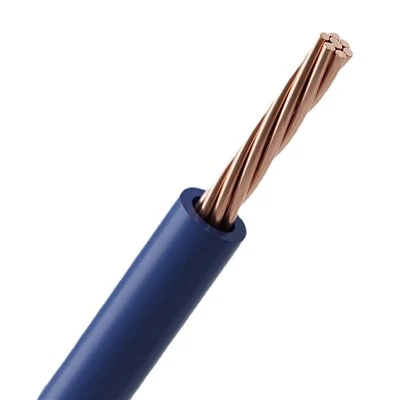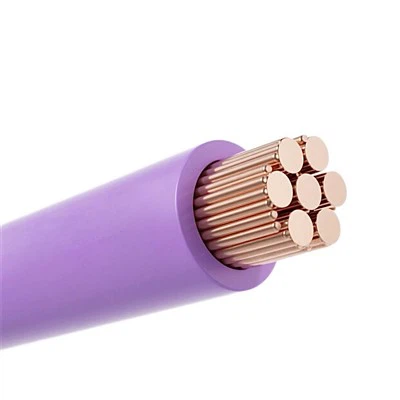

Hey there! As a supplier of QVR Wire, I'm super stoked to chat with you about its weather resistance capabilities. You know, when it comes to automotive wires, weather resistance is a big deal. Nobody wants a wire that's gonna break down at the first sign of a little rain or a bit of heat. So, let's dive right in and see what makes QVR Wire stand out in the face of Mother Nature's mood swings.
Heat Resistance
First off, let's talk about heat. You've probably been in a car on a scorching summer day, and you know how hot it can get inside, not to mention the engine compartment. QVR Wire is built to handle high temperatures like a champ. The insulation on QVR PVC Insulated High Temperature Car Wire is made from PVC, which has excellent heat resistance properties.
PVC insulation can withstand continuous operating temperatures of up to 105°C. That means even when your car's engine is running hot, or you're stuck in traffic on a sweltering day, the QVR Wire won't melt or degrade. This is crucial because if the insulation breaks down, it can lead to short circuits, electrical malfunctions, and even pose a fire hazard. So, with QVR Wire, you can have peace of mind knowing that it can handle the heat.
Cold Resistance
But it's not just about the heat. What about those cold winter months? In some parts of the world, temperatures can drop well below freezing, and that can be tough on automotive wires. QVR Wire doesn't disappoint in the cold either. The PVC insulation remains flexible even in extremely low temperatures.
It can withstand temperatures as low as -40°C without becoming brittle or cracking. This is important because if the wire becomes brittle, it can break easily when bent or moved, which can disrupt the electrical system in your car. Whether you're starting your car on a frosty morning or driving through a snowstorm, QVR Wire will keep performing reliably.
Moisture Resistance
Moisture is another enemy of automotive wires. Rain, snow, and even humidity can cause corrosion and damage to the wires over time. QVR Wire has a great defense against moisture. The PVC insulation acts as a barrier, preventing water from seeping into the wire and causing problems.
It's also resistant to water absorption. This means that even if the wire gets wet, the water won't be able to penetrate the insulation and reach the conductor. This helps to prevent corrosion of the conductor, which can lead to a loss of conductivity and electrical problems. So, whether you're driving through a heavy downpour or fording a shallow stream, QVR Wire will stay dry on the inside and keep working properly.
UV Resistance
Exposure to sunlight can also take a toll on automotive wires. Ultraviolet (UV) rays can break down the insulation over time, making it weaker and more prone to damage. QVR Wire is designed to resist UV radiation. The PVC insulation has additives that protect it from the harmful effects of the sun.
This means that even if your car is parked outside in the sun for long periods, the QVR Wire won't degrade as quickly as other wires. It will maintain its integrity and performance, ensuring that your car's electrical system stays in top shape.
Comparison with Other Wires
Now, let's compare QVR Wire with some other types of automotive wires. Take the QFR Chinese Standard Low Voltage Wire for example. While the QFR wire is also a good option, it has a lower temperature rating. It can only withstand continuous operating temperatures of up to 90°C, which is lower than the 105°C of QVR Wire. So, in high-temperature environments, QVR Wire has an edge.


Another wire is the QB - B Automotive Wire. The QB - B wire may not have the same level of cold resistance as QVR Wire. It may become stiffer at lower temperatures, which can make it more difficult to install and may also increase the risk of breakage. So, depending on your specific needs and the climate you live in, QVR Wire may be the better choice.
Why Choose QVR Wire?
So, why should you choose QVR Wire for your automotive needs? Well, first of all, its excellent weather resistance capabilities mean that it can last longer and perform more reliably than many other wires. This can save you money in the long run because you won't have to replace the wires as often.
It also provides a higher level of safety. By preventing short circuits, electrical malfunctions, and fires, QVR Wire helps to keep you and your passengers safe on the road. And let's not forget about the peace of mind that comes with knowing that your car's electrical system is protected from the elements.
Conclusion
In conclusion, QVR Wire is a top - notch automotive wire when it comes to weather resistance. Whether it's heat, cold, moisture, or UV radiation, it can handle it all. Its ability to withstand a wide range of temperatures, resist moisture, and protect against UV rays makes it a reliable choice for any car.
If you're in the market for high - quality automotive wires, I highly recommend considering QVR Wire. And if you have any questions or are interested in purchasing, feel free to reach out. We're here to help you find the right wire for your needs.
References
- Automotive Wiring Standards and Specifications Handbook
- PVC Insulation Properties and Applications in Automotive Industry Research Papers