
As a supplier of ISO standard automotive wire, I understand the crucial role that wire elasticity plays in the automotive industry. Elasticity is not just a physical property; it is a determinant of wire performance, safety, and durability in various automotive applications. In this blog, I will delve into the standards for the elasticity of ISO standard automotive wire, providing insights into why these standards are important and how they impact the overall quality of automotive wiring systems.
Understanding Elasticity in Automotive Wires
Elasticity refers to the ability of a material to deform under stress and return to its original shape when the stress is removed. In the context of automotive wires, elasticity is essential for several reasons. First, automotive wires are often subjected to bending, stretching, and vibration during vehicle assembly, installation, and operation. A wire with good elasticity can withstand these mechanical stresses without permanent deformation, ensuring that it maintains its electrical conductivity and structural integrity over time.
Second, elasticity is related to the wire's flexibility. Flexible wires are easier to route through tight spaces in the vehicle, such as engine compartments and door panels. This flexibility reduces the risk of wire damage during installation and allows for more efficient and cost - effective wiring layouts.
ISO Standards for Automotive Wire Elasticity
ISO (International Organization for Standardization) has established a set of standards for automotive wires to ensure their quality, safety, and performance. These standards cover various aspects of wire design, including elasticity.
Tensile Strength and Elongation
One of the key parameters in measuring wire elasticity is tensile strength and elongation. Tensile strength is the maximum stress that a wire can withstand before breaking, while elongation is the percentage increase in the wire's length when it is stretched under tension.
ISO standards typically specify minimum values for tensile strength and elongation for different types of automotive wires. For example, for QB - C Automotive Wire, the wire must have a certain level of tensile strength to ensure that it can withstand the pulling forces during installation and normal vehicle operation. At the same time, a sufficient elongation percentage is required to allow the wire to stretch without breaking when it is bent or routed around obstacles.
Flexibility and Bend Radius
Another important aspect of wire elasticity is flexibility, which is closely related to the bend radius. The bend radius is the minimum radius that a wire can be bent without causing damage to its insulation or conductor.
ISO standards define the maximum allowable bend radius for different wire sizes and types. For instance, QVR PVC Insulated High Temperature Car Wire is designed to operate in high - temperature environments, and its elasticity and bend radius requirements are carefully specified to ensure that it can be installed and used safely in such conditions. A wire with a smaller bend radius indicates better flexibility, which is beneficial for complex wiring installations in modern vehicles.
Fatigue Resistance
Automotive wires are also subject to repeated bending and flexing during the vehicle's lifetime. Fatigue resistance is a measure of the wire's ability to withstand these cyclic stresses without failure.
ISO standards include tests to evaluate the fatigue resistance of automotive wires. These tests simulate the real - world conditions that wires may encounter, such as opening and closing doors or vibrations from the engine. For QB - A Low - Voltage Thin - Walled Automobile Wire, which is often used in low - voltage electrical systems, high fatigue resistance is crucial to ensure long - term reliability.
Factors Affecting Wire Elasticity
Several factors can affect the elasticity of ISO standard automotive wires.
Material Composition
The choice of materials for the conductor and insulation has a significant impact on wire elasticity. For example, copper is a commonly used conductor material in automotive wires due to its excellent electrical conductivity and relatively high ductility. Different types of insulation materials, such as PVC (polyvinyl chloride), XLPE (cross - linked polyethylene), and TPE (thermoplastic elastomer), also have different elastic properties.
Wire Construction
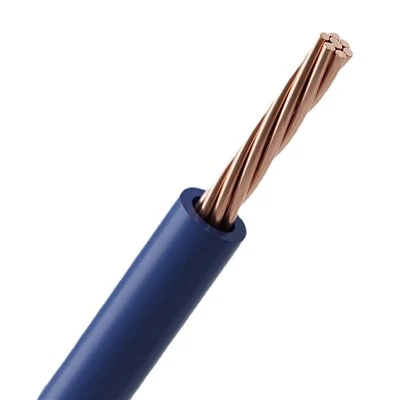
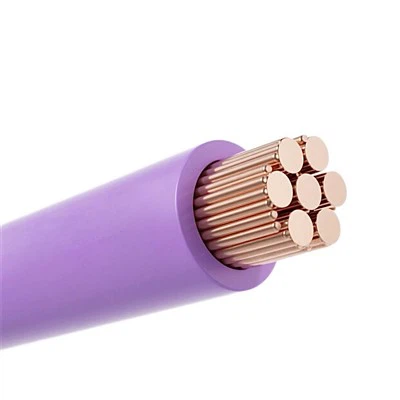
The construction of the wire, including the number of strands in the conductor and the thickness of the insulation, can affect its elasticity. Stranded conductors are generally more flexible than solid conductors because the individual strands can move relative to each other when the wire is bent. A thicker insulation layer may reduce the wire's flexibility but can also provide better protection against mechanical damage.
Temperature
Temperature can have a profound effect on wire elasticity. In general, wires become more brittle at low temperatures and more flexible at high temperatures. ISO standards take into account the temperature range in which the wire is expected to operate and specify the minimum and maximum temperature limits for maintaining the wire's elastic properties.


Importance of Adhering to ISO Standards
Adhering to ISO standards for wire elasticity is of utmost importance for automotive wire suppliers and vehicle manufacturers.
Safety
Wires that meet ISO elasticity standards are less likely to break or become damaged during installation and operation. This reduces the risk of electrical shorts, which can lead to vehicle malfunctions, fires, or even accidents. For example, a wire with insufficient elasticity may break under normal vibration, exposing the live conductor and creating a safety hazard.
Reliability
Automotive wiring systems need to be reliable over the vehicle's lifetime. Wires that meet ISO standards for elasticity are more likely to maintain their electrical performance and structural integrity over time. This reduces the need for frequent wire replacements and minimizes vehicle downtime.
Compatibility
ISO standards ensure that automotive wires are compatible with other components in the vehicle's electrical system. Wires with consistent elastic properties can be easily integrated into the wiring harness, reducing the risk of installation errors and improving the overall quality of the vehicle's electrical system.
Our Commitment as an ISO Standard Automotive Wire Supplier
As a supplier of ISO standard automotive wire, we are committed to meeting and exceeding these standards. We use high - quality materials and advanced manufacturing processes to ensure that our wires have the optimal elasticity for automotive applications.
We conduct rigorous testing on our products to ensure that they meet all the relevant ISO standards for tensile strength, elongation, flexibility, and fatigue resistance. Our QB - C Automotive Wire, QVR PVC Insulated High Temperature Car Wire, and QB - A Low - Voltage Thin - Walled Automobile Wire are all designed and manufactured to provide the best performance and reliability in the automotive industry.
Contact Us for Your Automotive Wire Needs
If you are in the market for high - quality ISO standard automotive wire, we invite you to contact us for more information. Our team of experts can provide you with detailed product specifications, technical support, and pricing information. We are ready to work with you to meet your specific automotive wire requirements and ensure the success of your projects.
References
- ISO standards related to automotive wires (e.g., ISO 6722 for automotive low - voltage cables)
- Technical literature on automotive wire materials and properties
- Industry research on the importance of wire elasticity in automotive applications