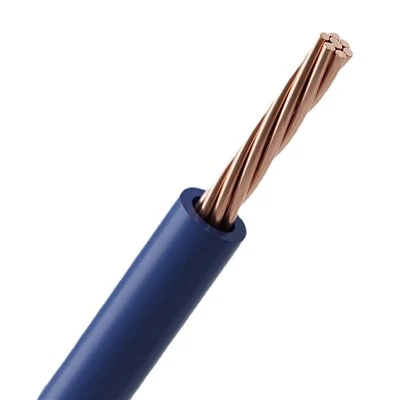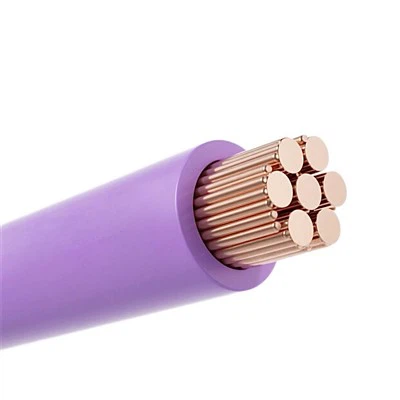

As a supplier of QB - A Wire, I've been deeply involved in the wire industry for years. QB - A Wire is widely used in various electrical applications due to its excellent conductivity and durability. However, with the increasing focus on environmental protection, recycling of such wires has become a crucial topic. In this blog, I'll explore the recycling methods for QB - A Wire.
Why Recycling QB - A Wire is Important
Before delving into the recycling methods, it's essential to understand why recycling QB - A Wire matters. Firstly, QB - A Wire contains valuable metals such as copper, which is a finite resource. Recycling these wires helps to conserve natural resources and reduce the need for extensive mining. Secondly, improper disposal of QB - A Wire can lead to environmental pollution. The insulation materials may contain harmful substances that can leach into the soil and water if not properly managed. By recycling, we can minimize the environmental impact and promote a more sustainable future.
Physical Separation Methods
One of the primary recycling methods for QB - A Wire is physical separation. This process involves several steps to separate the different components of the wire.
Shredding
The first step is to shred the QB - A Wire into smaller pieces. Shredding increases the surface area of the wire, making it easier to separate the metal core from the insulation. Specialized shredding machines are used to ensure that the wire is cut into uniform pieces. The shredded wire is then ready for further processing.
Magnetic Separation
After shredding, magnetic separation can be used to remove any ferrous metals that may be present in the wire mixture. Ferrous metals are attracted to magnets, and by passing the shredded wire through a magnetic field, these metals can be easily separated. This step helps to purify the wire mixture and prepare it for the next stage of separation.
Gravity Separation
Gravity separation is another important physical separation method. Different materials have different densities, and by using gravity, we can separate the metal core from the insulation. For example, the metal core of QB - A Wire is denser than the insulation material. By using a gravity separator, the heavier metal particles will settle to the bottom, while the lighter insulation particles will float or be carried away by a flowing medium. This method is effective in separating the metal and non - metal components of the wire.


Chemical Recycling Methods
In addition to physical separation, chemical recycling methods can also be used to recycle QB - A Wire.
Solvent Extraction
Solvent extraction is a process that uses solvents to dissolve the insulation material from the wire. The shredded wire is placed in a solvent bath, and the solvent selectively dissolves the insulation, leaving the metal core intact. After the insulation is dissolved, the metal core can be easily separated from the solvent - insulation mixture. However, this method requires careful selection of solvents to ensure that they are environmentally friendly and do not cause secondary pollution.
Chemical Leaching
Chemical leaching is another chemical recycling method. It involves using chemical reagents to dissolve the metal from the wire. For example, acids can be used to dissolve the copper in the QB - A Wire. The dissolved metal is then recovered from the solution through various chemical processes such as precipitation or electrolysis. Chemical leaching can be an effective way to recover valuable metals from the wire, but it also requires strict control of the chemical reactions to prevent environmental damage.
Thermal Recycling Methods
Thermal recycling methods involve using heat to recycle QB - A Wire.
Incineration
Incineration is a thermal recycling method where the wire is burned at high temperatures. The heat breaks down the insulation material, and the metal core remains. However, incineration has some drawbacks. It can release harmful pollutants into the air, such as dioxins and furans, if not properly controlled. Therefore, incineration should be carried out in specialized facilities with advanced pollution control systems.
Pyrolysis
Pyrolysis is a more environmentally friendly thermal recycling method. It involves heating the wire in the absence of oxygen. Under these conditions, the insulation material decomposes into gaseous and liquid products, while the metal core remains. The gaseous and liquid products can be further processed to recover valuable chemicals or used as fuel. Pyrolysis reduces the emission of pollutants compared to incineration and is a promising method for recycling QB - A Wire.
Comparison of Recycling Methods
Each recycling method has its own advantages and disadvantages. Physical separation methods are relatively simple and do not require the use of chemicals, which makes them environmentally friendly. However, they may not be able to achieve a high degree of separation in some cases. Chemical recycling methods can achieve a high recovery rate of valuable metals, but they require the use of chemicals, which may pose environmental risks if not properly managed. Thermal recycling methods can handle large volumes of wire, but they need to be carefully controlled to prevent pollution.
Applications of Recycled QB - A Wire
The recycled QB - A Wire has various applications. The recovered copper can be used to manufacture new wires, electrical components, or other copper - based products. The recycled insulation materials can also be reused in some applications, such as in the production of low - grade plastics or insulation materials for non - critical applications.
Related Products
If you are interested in other types of automotive wires, we also offer QB - C Automotive Wire, QVR PVC Insulated High Temperature Car Wire, and QB - B Automotive Wire. These wires also have high - quality performance and can meet different customer needs.
Contact for Purchase and Discussion
If you are interested in our QB - A Wire or have any questions about wire recycling, please feel free to contact us. We are always ready to provide you with detailed product information and professional technical support. Whether you are looking for high - quality wires for your projects or want to discuss recycling solutions, we can offer you the best service.
References
- "Handbook of Recycling: State - of - the - Art for Scientists, Engineers, and Practitioners" by Daniel E. Steinberg.
- "Recycling of Electrical and Electronic Equipment" by Andreas Bilyk.
- Industry reports on wire recycling from relevant research institutions.