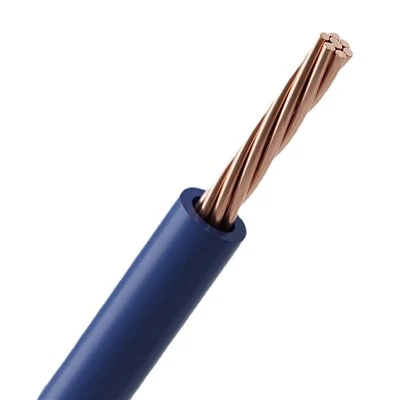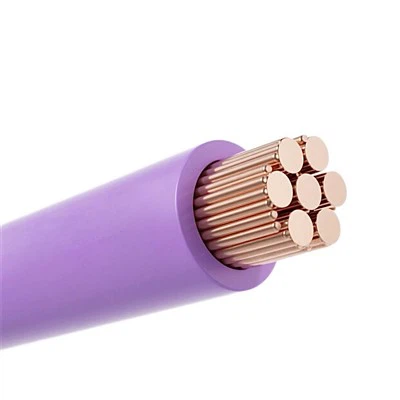

Yo, fellow automotive enthusiasts! I'm a supplier of GXL Wire, and I've seen my fair share of issues with this stuff over the years. So, I thought I'd share some of the common problems you might run into with GXL Wire and how to deal with them.
1. Insulation Damage
One of the most frequent problems with GXL Wire is insulation damage. The insulation on GXL Wire is designed to protect the conductor from moisture, heat, and abrasion. But in a harsh automotive environment, it can take a beating.
Sharp objects in the engine compartment, like metal brackets or loose parts, can rub against the wire insulation. Over time, this friction wears away the insulation, exposing the conductor. Once the conductor is exposed, it's at risk of short - circuiting. A short circuit can cause all sorts of problems, from blown fuses to electrical fires.
Another cause of insulation damage is heat. GXL Wire is rated for a certain temperature range, usually around 125°C. If the wire is placed too close to a high - heat source, like the engine block or exhaust manifold, the insulation can start to melt or become brittle. Brittle insulation is more likely to crack and break, leading to exposed conductors.
To prevent insulation damage, make sure you route the GXL Wire away from sharp edges and high - heat areas. You can also use wire looms or protective sleeves to add an extra layer of protection. And always follow the manufacturer's guidelines on temperature ratings and installation procedures.
2. Poor Crimp Connections
Crimping is the process of joining a wire to a terminal using a crimping tool. A proper crimp provides a secure, low - resistance connection between the wire and the terminal. However, poor crimp connections are a common issue with GXL Wire.
There are a few reasons why crimp connections can go bad. First, using the wrong size of crimp terminal can be a major problem. If the terminal is too big, the wire won't be held securely, and the connection will be loose. On the other hand, if the terminal is too small, it can damage the wire strands, reducing the conductivity of the connection.
Another issue is incorrect crimping technique. If the crimp isn't tight enough, the connection can be intermittent. This means that the electrical current may not flow smoothly through the wire, causing problems with the electrical system. And if the crimp is too tight, it can crush the wire strands, also leading to a high - resistance connection.
To ensure good crimp connections, always use the correct size of crimp terminal for your GXL Wire. Invest in a high - quality crimping tool and make sure you follow the proper crimping procedures. You can also use a crimping gauge to check the quality of your crimps.
3. Corrosion
Corrosion is a big problem in automotive wiring, and GXL Wire is no exception. When the wire is exposed to moisture, oxygen, and other contaminants, the metal conductor can start to corrode.
In a car, moisture can enter the electrical system in many ways. It could be through leaks in the windshield, roof, or doors. It can also come from condensation inside the engine compartment or from driving in wet conditions.
Once corrosion starts, it can gradually eat away at the conductor, increasing the resistance of the wire. High resistance means that less electrical current can flow through the wire, which can cause components to malfunction. For example, a corroded wire connected to a light bulb may cause the bulb to dim or not work at all.
To prevent corrosion, you can use anti - corrosion sprays or coatings on the wire and terminals. Make sure the wire is properly sealed and protected from moisture. And if you notice any signs of corrosion, like a green or white powdery substance on the wire or terminal, clean it off immediately using a wire brush and a suitable cleaning solution.
4. Overloading
Overloading occurs when too much electrical current flows through the wire. GXL Wire is rated for a specific amperage capacity, which means it can only handle a certain amount of current safely. If you try to draw more current than the wire is rated for, it can overheat.
Overheating can cause the insulation to melt, which as we've already discussed, leads to insulation damage and potential short - circuits. It can also weaken the wire itself, making it more likely to break.
In automotive applications, overloading can happen if you add too many electrical accessories to the system without upgrading the wiring. For example, if you install a high - powered sound system or additional lights without considering the wire's capacity, you're at risk of overloading the wire.
To avoid overloading, always check the amperage rating of your GXL Wire and make sure it can handle the electrical load of your components. If you're adding new accessories, consult with an automotive electrician to determine if you need to upgrade the wiring.


5. Sagging and Loose Wiring
If the GXL Wire isn't properly secured, it can sag or become loose. Sagging wire can get caught on moving parts in the engine compartment, like belts or fans, which can cause insulation damage or even break the wire. Loose wire can also vibrate, which can lead to wear and tear over time.
To prevent sagging and loose wiring, use cable ties, clamps, or brackets to secure the wire in place. Make sure the wire is routed in a way that it doesn't interfere with other components. And check the wiring regularly to ensure that all the connections are tight and the wire is properly secured.
Other Types of Automotive Wires
While we're on the topic of automotive wires, it's worth mentioning other types that are commonly used. The TWP American Standard Automotive Wire is known for its durability and flexibility. It's a good option for applications where the wire needs to withstand tough conditions.
The GXL Automotive Wire we're talking about here is popular because of its good balance between cost and performance. It's suitable for a wide range of automotive electrical applications.
And then there's the TXL Automotive Wire. This wire has a thinner insulation compared to GXL Wire, which makes it more lightweight. It's often used in applications where weight is a concern.
Conclusion
So, there you have it - the common problems with GXL Wire and how to deal with them. As a supplier, I know how important it is to use high - quality wiring and to install it correctly. If you're having any issues with GXL Wire in your automotive projects or if you want to learn more about our products, don't hesitate to reach out. We're here to help you make the best choices for your electrical systems. Whether you're a DIYer or a professional mechanic, we can provide you with the right advice and products. Let's get your automotive electrical systems up and running smoothly!
References
- General automotive wiring knowledge from years of industry experience.
- Manufacturer's guidelines on GXL Wire installation and usage.