


Hey there! I'm a supplier of PVC wire, and I know how frustrating it can be when rodents start munching on your precious wires. Rodents like mice and rats can cause a whole lot of problems by gnawing through PVC wires. Not only does it lead to costly repairs, but it can also pose serious safety hazards, like electrical shorts and even fires. So, in this blog, I'm gonna share some tips on how to protect your PVC wire from these pesky critters.
Why Do Rodents Chew on PVC Wires?
First things first, let's understand why rodents have this strange habit of chewing on PVC wires. Rodents' teeth are constantly growing, and they need to gnaw on things to keep their teeth at a proper length. PVC wires offer a convenient and accessible target. Plus, the plastic coating on PVC wires might have a taste or texture that attracts them. And let's not forget that wires are often found in dark, secluded areas, which are perfect hiding spots for rodents.
Types of PVC Wires at Risk
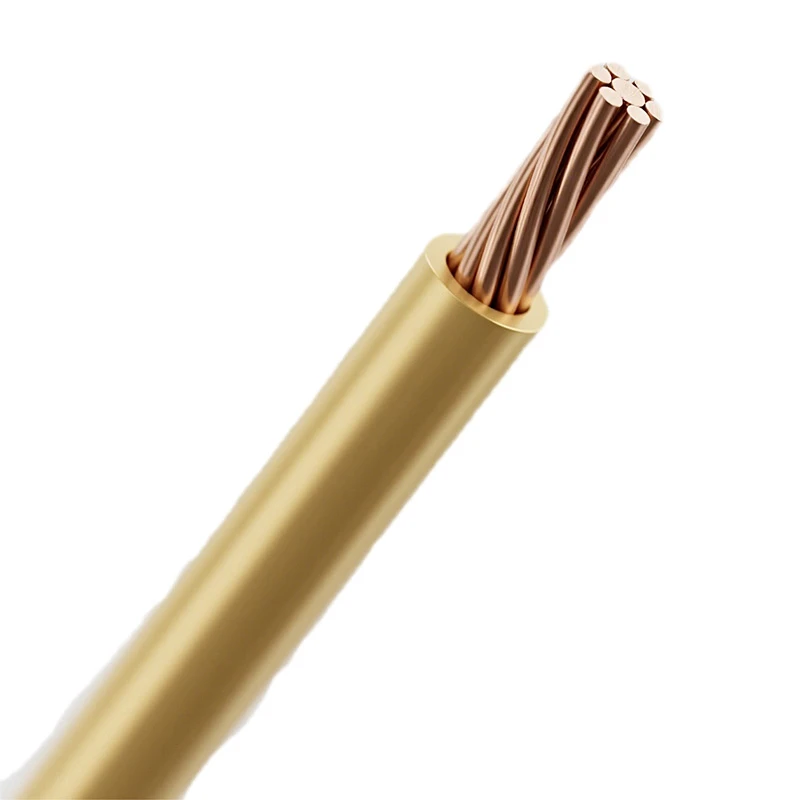
As a PVC wire supplier, I offer a variety of products, including UL1015 Wire, UL1569, and UL1007 Wire. All of these wires are at risk of rodent damage. UL1015 Wire is commonly used in appliances and electronic equipment, while UL1569 is often found in automotive applications. UL1007 Wire is widely used in general electrical wiring. No matter which type of PVC wire you're using, it's important to take steps to protect it from rodents.
Physical Barriers
One of the most effective ways to protect PVC wires from rodents is to use physical barriers. You can wrap the wires with metal mesh or conduit. Metal mesh is a great option because it's strong and rodents can't chew through it. Conduit, on the other hand, provides a more enclosed space for the wires, making it harder for rodents to access them.
When using metal mesh, make sure it's tightly wrapped around the wires. You can use zip ties or wire clips to secure the mesh in place. For conduit, choose a size that's appropriate for the wires you're protecting. Make sure the conduit is properly installed and sealed to prevent rodents from getting inside.

Rodent-Resistant Coatings
Another option is to use rodent-resistant coatings on the PVC wires. These coatings are designed to make the wires less appealing to rodents. Some coatings contain bittering agents that give the wires a bad taste, while others have a texture that rodents don't like.
There are several rodent-resistant coatings available on the market. Before applying a coating, make sure the wires are clean and dry. Follow the manufacturer's instructions carefully when applying the coating. Keep in mind that rodent-resistant coatings may need to be reapplied periodically to maintain their effectiveness.
Keep the Area Clean
Rodents are attracted to areas that provide food, water, and shelter. By keeping the area where your PVC wires are located clean, you can reduce the likelihood of a rodent infestation. Remove any food sources, such as crumbs or spilled grains. Fix any leaky pipes or faucets to eliminate water sources.
Also, declutter the area around the wires. Rodents like to hide in piles of clutter, so keeping the area tidy will make it less inviting for them. Regularly clean the area to remove any debris or nesting materials that rodents might use.
Use Rodent Traps and Baits
If you already have a rodent problem, using traps and baits can help control the population. There are different types of rodent traps available, such as snap traps, glue traps, and live traps. Snap traps are the most common type and are very effective at killing rodents. Glue traps work by sticking the rodents to the trap, while live traps allow you to catch the rodents alive and release them elsewhere.
When using baits, choose a bait that's attractive to rodents. Peanut butter, chocolate, and dried fruits are all popular choices. Place the traps and baits in areas where you've seen rodent activity, such as along walls or near the wires. Make sure to follow the instructions on the traps and baits carefully to ensure safe and effective use.
Seal Entry Points
Rodents can enter a building through small holes and cracks. To prevent them from getting to your PVC wires, seal any entry points around the building. Use caulk or expanding foam to fill in small holes, and install door sweeps and weatherstripping to seal gaps around doors and windows.
Inspect the building regularly for new entry points and seal them as soon as you find them. Pay special attention to areas where pipes and wires enter the building, as these are common entry points for rodents.
Regular Inspections
Regular inspections of your PVC wires are essential to catch any signs of rodent damage early. Check the wires for chew marks, frayed insulation, or other signs of damage. If you notice any damage, replace the affected wires immediately to prevent further problems.
Inspect the area around the wires for signs of rodent activity, such as droppings, urine stains, or nests. If you find any signs of rodents, take action right away to control the infestation.
Conclusion
Protecting your PVC wires from rodents is crucial to ensure the safety and reliability of your electrical systems. By using physical barriers, rodent-resistant coatings, keeping the area clean, using traps and baits, sealing entry points, and conducting regular inspections, you can significantly reduce the risk of rodent damage.
As a PVC wire supplier, I'm here to help you find the right products for your needs. Whether you're looking for UL1015 Wire, UL1569, or UL1007 Wire, I've got you covered. If you have any questions or need more information, feel free to reach out. Let's work together to keep your PVC wires safe from rodents!
References
- "Rodent Control: A Guide for Homeowners." Pest Control Technology Magazine.
- "Electrical Safety and Rodent Damage." National Fire Protection Association.



