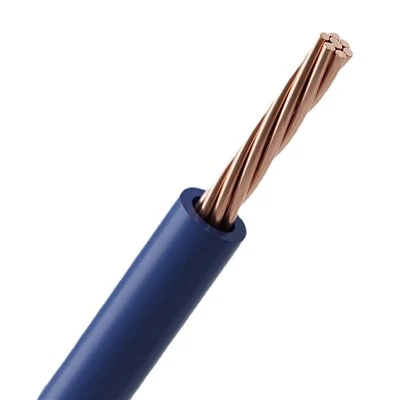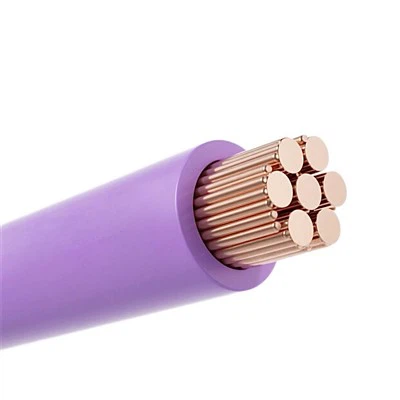

Hey there! As a supplier of French car wire, I've seen my fair share of issues with wire short - circuiting. It's a real headache for both car owners and us suppliers. In this blog, I'm gonna share some tips on how to prevent French car wire from short - circuiting.
Understanding the Basics of Wire Short - Circuiting
First off, let's talk about what a short - circuit is. A short - circuit happens when an electrical current takes an unintended path, usually because the insulation around the wire is damaged. This can lead to a whole bunch of problems, like blown fuses, electrical malfunctions, and in some cases, even fires.
In French cars, the wiring systems are designed to be efficient and reliable, but they're not immune to short - circuits. There are a few common causes that we need to be aware of.
Common Causes of Short - Circuits in French Car Wires
Physical Damage
One of the most common causes is physical damage to the wires. This can happen during normal wear and tear, like when the wires rub against sharp edges in the car's body or engine compartment. For example, if a wire is installed too close to a metal bracket, over time, the constant rubbing can wear away the insulation, exposing the bare wire and creating a potential short - circuit.


Moisture and Corrosion
Moisture is another big culprit. If water gets into the wiring harness, it can cause corrosion. Corrosion can break down the insulation and also create a conductive path for electricity, leading to a short - circuit. This is especially common in areas where the car is exposed to a lot of rain, snow, or humidity.
Overheating
Overheating can also damage the insulation of the wires. When a wire is overloaded with too much current, it can heat up. If the temperature gets high enough, the insulation can melt, exposing the wire and causing a short - circuit. This can happen if there are too many electrical devices connected to a single circuit or if there's a problem with the electrical system's voltage regulation.
Preventive Measures
Proper Installation
The first step in preventing short - circuits is proper installation. When installing French car wires, it's important to make sure that they're routed correctly. Avoid running wires near sharp edges or areas where they're likely to be pinched. Use wire looms and clips to keep the wires organized and protected.
Also, make sure to use the right type of wire for the job. For example, our T4 Wire is designed for high - current applications, while T3 Wire is better suited for medium - current circuits. Using the wrong wire can lead to overheating and potential short - circuits.
Regular Inspections
Regular inspections are crucial. As a car owner, you should check your car's wiring harness periodically. Look for signs of damage, such as frayed wires, cracked insulation, or corrosion. If you notice any problems, it's important to address them right away.
For professional mechanics or those who are more hands - on, a more in - depth inspection can be done. This might involve using a multimeter to check the continuity and resistance of the wires. If the readings are abnormal, it could indicate a problem with the wire.
Protecting Against Moisture
To protect against moisture, you can use sealants and waterproof connectors. When installing new wires or making repairs, make sure to use waterproof connectors to prevent water from getting into the electrical connections. You can also apply a sealant to the wiring harness to provide an extra layer of protection.
In addition, keep the car's interior and engine compartment dry. If there are any leaks in the car, fix them as soon as possible to prevent water from getting to the wiring.
Avoiding Overloading
To avoid overloading the wires, be careful about how many electrical devices you connect to a single circuit. If you're adding new accessories to your car, like a new stereo or a set of LED lights, make sure to check the electrical requirements and make sure that the circuit can handle the additional load.
You can also consider upgrading the electrical system if necessary. For example, if you're planning to install a high - power audio system, you might need to upgrade the alternator or add a secondary battery to handle the increased power demand.
Maintenance Tips for French Car Wires
Cleaning
Regular cleaning of the wiring harness can also help prevent short - circuits. Use a soft brush and a mild electrical cleaner to remove dirt, dust, and debris from the wires. This can help prevent the buildup of conductive materials that could lead to a short - circuit.
Lubrication
Some electrical connectors benefit from lubrication. Using a dielectric grease on the connectors can help prevent corrosion and improve the electrical connection. Just make sure to use the right type of grease for the application.
Conclusion
Preventing short - circuits in French car wires is all about being proactive. By following these tips, you can significantly reduce the risk of short - circuits and keep your car's electrical system running smoothly.
If you're in the market for high - quality French car wires, we've got you covered. We offer a wide range of wires, including T2 Wire, T3 Wire, and T4 Wire. Our wires are designed to meet the highest standards of quality and reliability.
If you have any questions or are interested in purchasing our French car wires, don't hesitate to reach out. We're here to help you find the right solutions for your car's electrical needs.
References
- Automotive Electrical Systems Handbook
- French Car Wiring Manuals