


Labeling FLRY - A Wire: A Comprehensive Guide

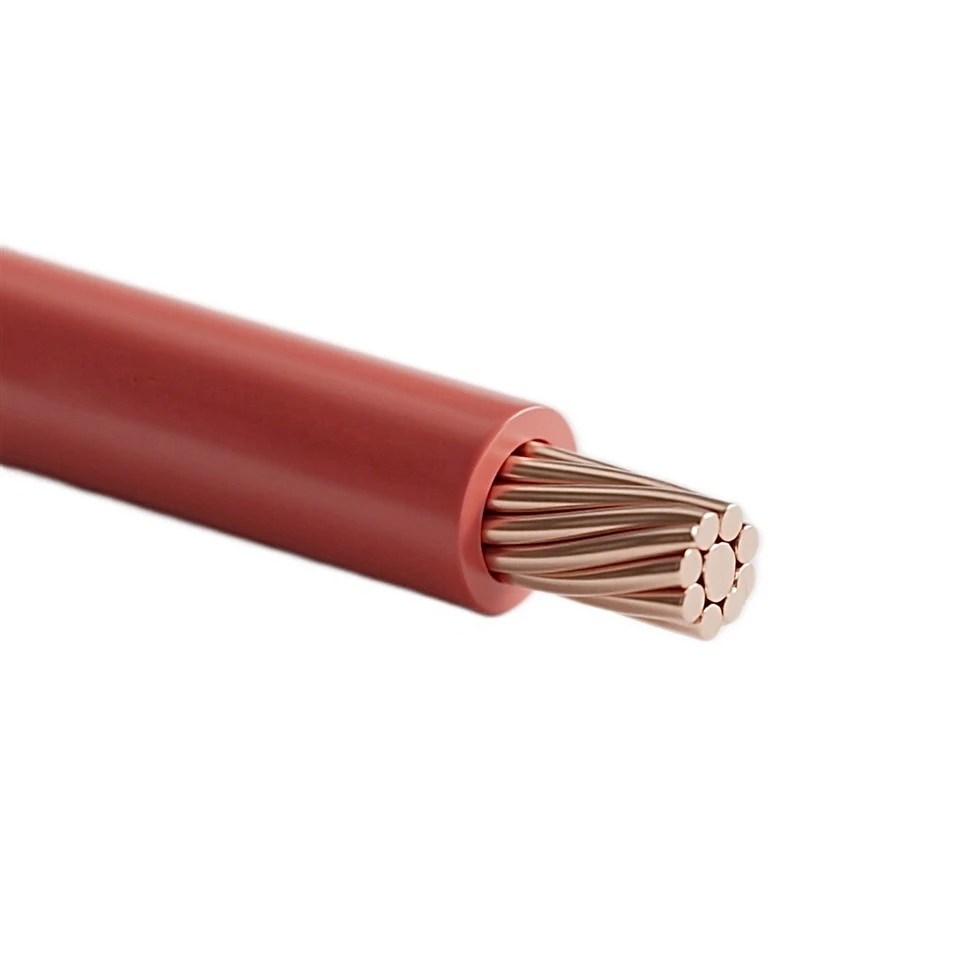
As a trusted supplier of FLRY - A Wire, I understand the significance of proper labeling in the automotive and electrical industry. Accurate labeling not only ensures the safety and reliability of the wire but also facilitates easy identification and installation. In this blog, I will share some valuable insights on how to label FLRY - A Wire effectively.
Understanding the Importance of Labeling
Before delving into the labeling process, it's crucial to recognize why labeling is so important. In complex electrical systems, wires are often bundled together, and without proper labels, it can be extremely challenging to identify a specific wire. This can lead to errors during installation, maintenance, or troubleshooting, which may result in system malfunctions or even safety hazards.
Proper labeling also helps in compliance with industry standards and regulations. Many countries and regions have strict requirements regarding wire labeling in automotive and electrical applications. By adhering to these standards, you can ensure that your products meet the necessary quality and safety criteria.
Materials Needed for Labeling
To label FLRY - A Wire, you will need the following materials:
- Labeling Machine: A high - quality labeling machine is essential for creating clear and durable labels. There are various types of labeling machines available on the market, from handheld to automated models. Choose one that suits your production volume and labeling requirements.
- Labeling Tape: Select a labeling tape that is resistant to heat, moisture, and chemicals. This ensures that the labels remain legible and intact throughout the wire's lifespan.
- Marker Pens: In some cases, you may need to use marker pens for manual labeling. Choose pens that are fade - resistant and have good adhesion to the wire surface.
Information to Include on the Label
The label on the FLRY - A Wire should contain the following information:
- Wire Type: Clearly indicate that the wire is FLRY - A. This helps in quickly identifying the wire's specifications and compatibility with different systems.
- Gauge Size: Specify the gauge size of the wire. The gauge size determines the wire's current - carrying capacity and is crucial for proper circuit design.
- Color Code: Indicate the color code of the wire. Color coding is a common practice in the electrical industry to simplify wire identification.
- Length: If applicable, mention the length of the wire. This is especially useful when dealing with custom - cut wires.
- Manufacturer Information: Include the name and contact information of the manufacturer. This provides traceability and allows users to reach out for further information or support.
Step - by - Step Labeling Process
- Prepare the Wire: Before labeling, make sure the wire surface is clean and dry. Remove any dust, grease, or other contaminants that may interfere with the label's adhesion.
- Set Up the Labeling Machine: If you are using a labeling machine, configure it according to the label size, content, and printing requirements. Follow the manufacturer's instructions carefully to ensure accurate and consistent labeling.
- Create the Label: Use a label design software to create the label with all the necessary information. Make sure the text is clear, legible, and in the appropriate font size.
- Apply the Label: Peel off the label from the backing paper and apply it to the wire. Make sure the label is centered and firmly attached to the wire surface. Smooth out any air bubbles or wrinkles to ensure a clean and professional appearance.
- Inspect the Label: After applying the label, inspect it to ensure that all the information is visible and accurately printed. If there are any errors or smudges, remove the label and apply a new one.
Tips for Effective Labeling
- Use a Consistent Format: Establish a standard format for all your wire labels to ensure uniformity and ease of identification.
- Test the Labels: Before mass - labeling, test the labels on a small sample of wires to ensure that they adhere well and are resistant to environmental factors.
- Keep a Record: Maintain a record of all the labeled wires, including the wire type, gauge size, color code, and length. This helps in inventory management and quality control.
Related Products
If you are interested in other types of automotive wires, we also offer FL9Y - A Car Wire, German FLX - A Car Wire, and FLY - A Single - core Germany Standard Automotive Wire. These products are of high quality and meet the strictest industry standards.
Contact for Purchase
If you have any questions about our FLRY - A Wire or other products, or if you are interested in purchasing, please feel free to contact us. We are committed to providing you with the best products and services.
References
- National Electrical Code (NEC)
- International Electrotechnical Commission (IEC) Standards
- Automotive Industry Standards for Electrical Wiring



