
As a PVC wire supplier, ensuring that our products meet the required specifications is not only a commitment to quality but also a cornerstone of our business. Customers rely on us to provide PVC wires that are safe, reliable, and compliant with industry standards. In this article, I'll share some key steps and considerations on how to check if PVC wire meets the required specifications.
1. Understanding the Specifications
Before you can check if a PVC wire meets the required specifications, you need to have a clear understanding of what those specifications are. These specifications can come from various sources, such as industry standards, customer requirements, or regulatory bodies.
- Industry Standards: There are many well - known industry standards for PVC wires. For example, UL (Underwriters Laboratories) standards play a crucial role in the electrical industry. Some of our popular products, like UL1185 Single - Core Shielded Hook - Up Wire, UL10093 PVC Aircraft Wire, and UL1569 PVC Insulated AWM Electrical Wire, are designed to meet specific UL requirements. These standards cover aspects such as insulation thickness, conductor size, voltage rating, and temperature resistance.
- Customer Requirements: Sometimes, customers may have their own unique requirements based on their specific applications. For example, a customer may need a PVC wire with a certain color code or a specific length of the wire. Understanding these requirements is essential to ensure that the product meets their expectations.
- Regulatory Bodies: Regulatory bodies also set certain requirements for PVC wires. These requirements are usually related to safety and environmental protection. For example, in some regions, wires need to comply with RoHS (Restriction of Hazardous Substances) directive, which restricts the use of certain hazardous materials in electrical and electronic equipment.
2. Physical Inspection
A physical inspection is the first step in checking if a PVC wire meets the specifications. This involves visually examining the wire for any obvious defects or irregularities.
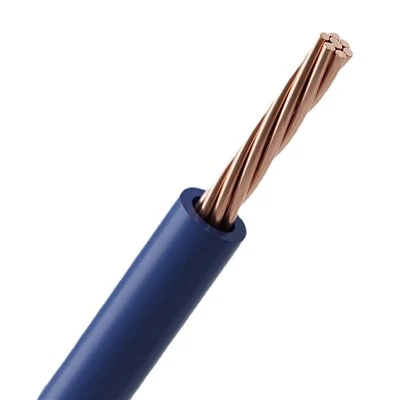
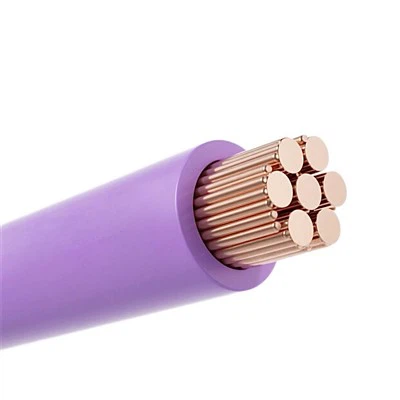
- Insulation Quality: The PVC insulation should be smooth, uniform, and free of cracks, bubbles, or other visible defects. Any damage to the insulation can affect the electrical performance of the wire and increase the risk of electrical hazards. Check the insulation thickness at different points along the wire to ensure it meets the specified requirements. You can use a micrometer to measure the insulation thickness accurately.
- Conductor Quality: The conductor is the core part of the wire that carries the electrical current. It should be made of high - quality materials, such as copper or aluminum. The conductor should be free of oxidation, corrosion, or breaks. Check the conductor size to ensure it matches the specified cross - sectional area. You can use a wire gauge to measure the conductor size.
- Overall Appearance: The wire should have a clean and professional appearance. The labeling on the wire should be clear and accurate, indicating important information such as the wire size, voltage rating, and temperature rating.
3. Electrical Testing
Electrical testing is crucial to verify the electrical performance of the PVC wire. There are several types of electrical tests that can be conducted:
- Resistance Testing: Measure the resistance of the conductor to ensure it is within the acceptable range. The resistance of a wire is related to its material, size, and length. A higher - than - normal resistance may indicate a problem with the conductor, such as a poor connection or a damaged section.
- Insulation Resistance Testing: This test measures the resistance of the insulation to the flow of electrical current. A high insulation resistance indicates good insulation quality. Low insulation resistance can be a sign of insulation damage or moisture ingress, which can lead to short - circuits and electrical failures.
- Voltage Withstand Testing: Subject the wire to a higher - than - normal voltage for a specified period to check if it can withstand the voltage without breaking down. This test helps to ensure the wire's safety and reliability under normal and abnormal operating conditions.
4. Chemical and Environmental Testing
In addition to physical and electrical testing, chemical and environmental testing may also be required, especially for wires used in harsh environments or applications with specific chemical requirements.
- Flammability Testing: PVC wires are often required to meet certain flammability standards. For example, UL standards specify the maximum rate of flame spread and the ability of the wire to self - extinguish. Flammability testing involves exposing the wire to a flame source and measuring its burning behavior.
- Chemical Resistance Testing: If the wire is going to be used in an environment where it may come into contact with chemicals, it should be tested for its resistance to those chemicals. This can involve immersing the wire in a chemical solution for a certain period and then checking for any signs of degradation, such as swelling, cracking, or loss of mechanical properties.
- Temperature Resistance Testing: PVC wires have a specified operating temperature range. Temperature resistance testing involves subjecting the wire to different temperatures and measuring its electrical and mechanical properties at those temperatures. This helps to ensure that the wire can perform reliably under different temperature conditions.
5. Documentation and Certification
Finally, it's important to check the documentation and certification of the PVC wire. A reliable supplier should provide detailed product documentation, including product specifications, test reports, and certificates of compliance.


- Product Specifications: The product specifications should clearly state the technical parameters of the wire, such as the conductor size, insulation thickness, voltage rating, and temperature rating. Make sure these specifications match your requirements.
- Test Reports: Test reports provide evidence that the wire has been tested and meets the specified standards. These reports should include the results of physical, electrical, chemical, and environmental tests.
- Certificates of Compliance: Certificates of compliance, such as UL certificates, RoHS certificates, or CE certificates, indicate that the wire has been independently verified to meet certain standards or regulations.
If you are in the market for high - quality PVC wires that meet the required specifications, we are here to help. Our team of experts can assist you in selecting the right product for your specific needs and provide you with all the necessary documentation and support. Whether you need UL1185 Single - Core Shielded Hook - Up Wire, UL10093 PVC Aircraft Wire, or UL1569 PVC Insulated AWM Electrical Wire, we have the products and expertise to ensure your satisfaction. Contact us today to start a procurement discussion and find the best PVC wire solutions for your projects.
References
- Underwriters Laboratories (UL) Standards for Electrical Wires
- RoHS Directive for Restriction of Hazardous Substances in Electrical and Electronic Equipment